
Jazz Music ⁞ New Releases⁞ Artist Interviews⁞ Music News
Introduction of Jazz Music
Jazz is a genre of music that originated in the African-American communities of New Orleans, United States, in the late 19th and early 20th centuries. It is characterized by its use of improvisation, complex harmonic structures, and a wide range of musical influences, including blues, gospel, and European classical music. Jazz is known for its swing rhythm, which is created by the use of syncopated rhythms and a strong pulse. It is often played by small ensembles, such as a quintet or sextet, and is known for its ability to adapt to a wide range of musical contexts and styles. Jazz has had a significant influence on many other genres of music, and has been an important part of the cultural fabric of the United States and the rest of the world for more than a century.
Jazz by Nagamag Playlist on Spotify
Recent Jazz Interviews
Jazz Featured Releases
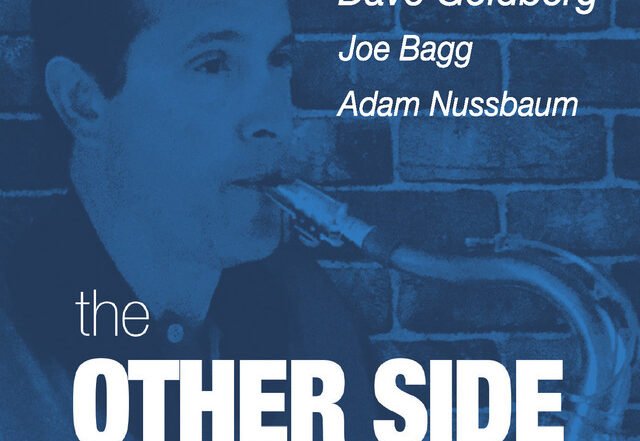
Dave Goldberg – The Other Side
“Song feels like a perfectly produced jazz session with an amazing saxophone solo. Groove and drums are creating some basic structure and makes the flow of the song so smooth. Longer arrangement feels like it is just not enough for this kind of a beautiful journey. Every moment is just amazing, note played and instrument used, soundscapes of wonders. ”
“Το τραγούδι αισθάνεται σαν μια τέλεια παραγόμενη συνάντηση τζαζ με ένα εκπληκτικό σόλο σαξόφωνο. Τα αυλάκια και τα τύμπανα δημιουργούν κάποια βασική δομή και κάνουν τη ροή του τραγουδιού τόσο ομαλή. Η μακρύτερη ρύθμιση αισθάνεται σαν να μην αρκεί για αυτό το είδος όμορφου ταξιδιού. Κάθε στιγμή είναι απλά εκπληκτική, η σημείωση που παίζεται και το όργανο που χρησιμοποιείται, τα ηχητικά τοπία των θαύματα.” *
“Song se siente como una sesión de jazz perfectamente producida con un increíble solo de saxofón. El ritmo y la batería están creando una estructura básica y hace que el flujo de la canción sea tan suave. El arreglo más largo parece que no es suficiente para este tipo de hermoso viaje. Cada momento es simplemente increíble, nota tocada y se usa el instrumento, los paisajes sonoros de las maravillas.” *
-Nagamag.com
The song “Dave Goldberg – The Other Side” is released by Tritone Records
Song Sources for “Dave Goldberg – The Other Side”:
Spotify: https://open.spotify.com/track/4OZFEADQlPElavbCDOaLsG
Youtube: https://www.youtube.com/watch?v=oTPHGzuKsQI
Deezer: https://www.deezer.com/track/2156512797

Secret Night Gang – Don’t Know What Tomorrow Brings
“Really amazing jazz song, full of all the elements and instruments combined together in a marvelous way. Blissful vocals adds a perfect blend of emotion and melancholic depth to the song. Lush saxophone themes in the background are layered with a smooth but groovy beats. Trumpet themes makes a wonderful addition to the peak moments within the song. ”
“Πραγματικά εκπληκτικό τραγούδι τζαζ, γεμάτο από όλα τα στοιχεία και τα όργανα σε συνδυασμό με θαυμάσιο τρόπο. Τα ευτυχισμένα φωνητικά προσθέτουν ένα τέλειο μείγμα συναισθημάτων και μελαγχολικού βάθους στο τραγούδι. Τα καταπράσινα θέματα σαξόφωνο στο παρασκήνιο είναι στρωμένα με ομαλά αλλά αυλάκια. Τα θέματα της τρομπέτας κάνουν μια θαυμάσια προσθήκη στις κορυφαίες στιγμές μέσα στο τραγούδι.” *
“Una canción de jazz realmente sorprendente, llena de todos los elementos e instrumentos combinados de una manera maravillosa. Blissful Vocals agrega una combinación perfecta de emoción y profundidad melancólica a la canción. Los exuberantes temas de saxofón en el fondo están en capas con ritmos lisos pero maravillosos. Los temas de la trompeta hacen una maravillosa adición a los momentos máximos dentro de la canción.” *
-Nagamag.com
Song Sources for “Secret Night Gang – Don’t Know What Tomorrow Brings”:
Spotify: https://open.spotify.com/track/3OMgHxBdiu5VZsfvhVz5d9
Youtube: https://www.youtube.com/watch?v=Wym7LhmUdL8

Matt Storm – what do ya miss?
“Smoothness feeling from the first sound and notes. Subtle groove and catchy bass line introduce the listener the easy listening world of jazzy soundscapes. Atmospheric lead vocal is perfect melancholic emotion that gives the song more depth. Guitar riff and themes within the arrangement expands this mood even further. Perfect Sunday song for relaxing. ”
“Αίσθημα ομαλότητας από τον πρώτο ήχο και σημειώσεις. Η λεπτή αυλάκωση και η πιασάρικη γραμμή μπάσων εισάγουν τον ακροατή τον εύκολο κόσμο ακρόασης των jazzy soundscapes. Η ατμοσφαιρική φωνητική μολύβδου είναι τέλειο μελαγχολικό συναίσθημα που δίνει στο τραγούδι περισσότερο βάθος. Κιθάρα riff και θέματα μέσα στη ρύθμιση επεκτείνει αυτή τη διάθεση ακόμη περισσότερο. Τέλειο τραγούδι της Κυριακής για χαλάρωση.” *
“Sentimiento de suavidad del primer sonido y notas. El ritmo sutil y la línea de bajo pegadizo presentan al oyente el mundo de escucha fácil de los paisajes sonoros de jazz. La voz principal atmosférica es una emoción melancólica perfecta que le da a la canción más profundidad. El riff de guitarra y los temas dentro del arreglo amplían este estado de ánimo aún más. Canción perfecta del domingo para relajarse.” *
-Nagamag.com
Song Sources for “Matt Storm – what do ya miss?”:
Spotify: https://open.spotify.com/track/6TMhaUV5u3LIHzcTGSpEom
Youtube: https://www.youtube.com/watch?v=Ph26q9_aW-4
Apple Music: https://music.apple.com/us/album/what-do-ya-miss/1673949548?i=1673949549
Deezer: https://www.deezer.com/track/2164286047
Find Matt Storm on Socials:
Instagram: https://www.instagram.com/mattstormsound
Website of Matt Storm:
http://mattstorm.ca/
Latest Jazz discoveries
Astronomers of the Strange – The Fumes of Identity | Review
Astronomers of the Strange turn The Fumes of Identity” into a floating memory, where the melody seems to fade and return thr... >>> Read full review & listen to the song on Nagamag #jazz #retrosoul #astronomersofthestrange #unitedstates #nagamag #musicmagazine #musicreview #review
“Keep On Riding” by Dieter van der Westen | Jazz Review
On Keep On Riding,” Dieter van der Westen blends earthy folk-rock textures with a subtle sense of mystery, creating a track ... >>> Read full review & listen to the song on Nagamag #funk #dietervanderwesten #netherlands #nagamag #musicmagazine #musicreview #review
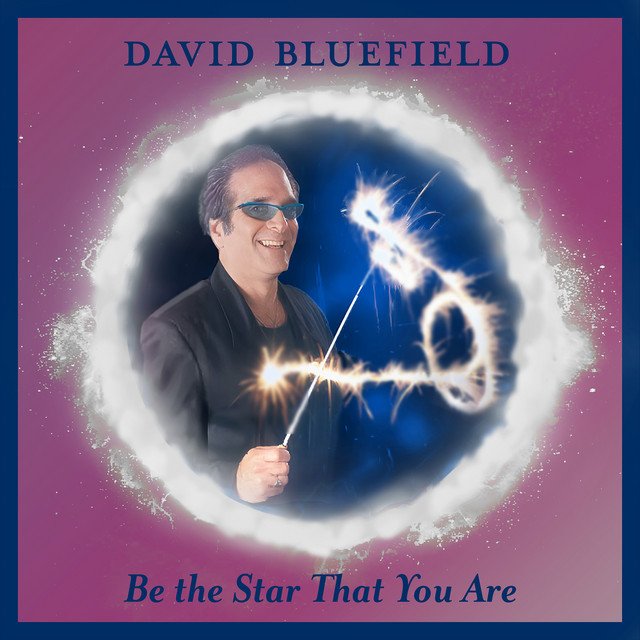
Single Review: David Bluefield – Be The Star That You Are | Review
Be The Star That You Are” by David Bluefield radiates with a polished exuberance that feels designed to lift the listener ou... >>> Read full review & listen to the song on Nagamag #funk #retrosoul #davidbluefield #unitedstates #nagamag #musicmagazine #musicreview #review

Next Up Jazz Review: Young Musicians Unite feat Tito Puente Jr – No Moon At All
No Moon At All” by Young Musicians Unite feat. Tito Puente Jr. erupts with a sense of rhythm and theatrical flair that refus... >>> Read full review & listen to the song on Nagamag #jazz #salsa #youngmusiciansunitefeattitopuentejr #unitedstates #nagamag #musicmagazine #musicreview #review
Song Review: “Midnight Blue” by Dan Crisci | Jazz Essential
Midnight Blue by Dan Crisci drifts through a midnight stillness where every piano note feels carefully placed to dissolve the... >>> Read full review & listen to the song on Nagamag #jazz #dancrisci #unitedstates #nagamag #musicmagazine #musicreview #review
LOV – Can I? | Jazz Review
Can I? by LOV moves with an effortless sensual fluidity, allowing the vocals to become the central vessel of its emotional we... >>> Read full review & listen to the song on Nagamag #neosoul #retrosoul #lov #canada #nagamag #musicmagazine #musicreview #review
Release Review: Tyler Sabbag – Luce Sull’acqua | Jazz
On Luce Sull’acqua,” Tyler Sabbag delivers a composition that feels like a sensory refuge. The melody unfolds with a gentle ... >>> Read full review & listen to the song on Nagamag #jazz #tylersabbag #unitedstates #nagamag #musicmagazine #musicreview #review
“Brazilian Night” by Tim Bowman | Jazz Review
Brazilian Night” by Tim Bowman unfolds with a sensual ease that feels almost effortless, letting the melody hover lightly ov... >>> Read full review & listen to the song on Nagamag #nujazz #jazztronica #brazilianjazz #timbowman #unitedstates #nagamag #musicmagazine #musicreview #review
Single Review: Per Thornberg – Kajsa P. | Review
Kajsa P.” by Per Thornberg unfolds like an understated exercise in sensuality, where the melody doesn’t demand attention—it ... >>> Read full review & listen to the song on Nagamag #jazz #freejazz #perthornberg #sweden #nagamag #musicmagazine #musicreview #review
Some Jazz subgenres
There are many subgenres of jazz, and the boundaries between them can be somewhat fluid. Here are a few of the most common subgenres of jazz:
Dixieland jazz: Also known as “traditional” or “New Orleans” jazz, this style is characterized by its use of collective improvisation and a strong rhythm section, featuring instruments such as the trumpet, trombone, and clarinet.
Swing: This style emerged in the 1930s and 1940s and is characterized by its use of a swinging rhythm and big band instrumentation. It was popularized by bands led by musicians such as Duke Ellington and Benny Goodman.
Bebop: This style emerged in the 1940s and is characterized by its fast tempo, complex chord progressions, and extensive use of improvisation. It was popularized by musicians such as Charlie Parker and Dizzy Gillespie.
Cool jazz: This style emerged in the 1950s and is characterized by its use of complex harmonies and a laid-back, relaxed approach to rhythm. It was popularized by musicians such as Miles Davis and Dave Brubeck.
Fusion: This style emerged in the 1970s and is characterized by its incorporation of elements from other genres of music, such as rock, funk, and world music. It was popularized by musicians such as John McLaughlin and Chick Corea.
Smooth jazz: This style emerged in the 1980s and is characterized by its use of electronic instrumentation and a focus on melody and groove. It was popularized by musicians such as George Benson and Grover Washington Jr.
Hard bop: This style emerged in the 1950s and is characterized by its use of blues and gospel influences and its incorporation of elements from bebop and swing. It was popularized by musicians such as Horace Silver and Art Blakey.
Free jazz: This style emerged in the 1960s and is characterized by its use of extended improvisation and a lack of strict chord progressions or other formal structures. It was popularized by musicians such as Ornette Coleman and John Coltrane.
Latin jazz: This style is characterized by its incorporation of Latin American rhythms and melodies, as well as its use of percussion instruments such as congas, timbales, and bongos. It was popularized by musicians such as Tito Puente and Cal Tjader.
Acid jazz: This style emerged in the 1980s and is characterized by its incorporation of elements from funk, soul, and hip hop, as well as its use of electronic instrumentation. It was popularized by musicians such as Brand New Heavies and Jamiroquai.
Jazz-rock: This style emerged in the 1970s and is characterized by its incorporation of elements from rock music and its use of electric instruments. It was popularized by musicians such as Mahavishnu Orchestra and Weather Report.
Jazz-funk: This style is characterized by its incorporation of elements from funk music and its use of electric instruments and groove-based rhythms. It was popularized by musicians such as James Brown and George Clinton.
As with any genre of music, these subgenres are just a few of the many that exist within the broader category of jazz. There are many other styles and variations within jazz.
The most used instruments in Jazz Music
There are many different instruments that are commonly used in jazz music, and the specific instruments used can vary depending on the style and context of the music. Here are a few of the most common instruments used in jazz:
Piano: The piano is a common instrument in jazz music and is often used to provide the harmonic foundation for the music. Jazz pianists may use a range of techniques, including comping (providing chordal accompaniment), soloing (performing a melodic solo), and improvising (creating music spontaneously).
Drums: The drums are an important part of the rhythm section in jazz music and are often used to create a swinging or groove-based feel. Jazz drummers may use a range of techniques, including various stick and cymbal patterns, to create complex rhythms and interactive interactions with other musicians.
Bass: The bass is another important part of the rhythm section in jazz music and is often used to provide the foundation for the music. Jazz bassists may use a range of techniques, including walking bass lines (a repeating pattern of notes played over the chord progression of a song) and soloing, to create a strong rhythmic and melodic foundation for the music.
Guitar: The guitar is often used in jazz music and can play a variety of roles, from providing chordal accompaniment to soloing. Jazz guitarists may use a range of techniques, including chord voicings (arrangements of notes in a chord), arpeggios (broken chords played one note at a time), and improvisation, to create complex and interesting musical textures.
Saxophone: The saxophone is a common instrument in jazz music and is often used to play melodies and improvise solos. Jazz saxophonists may use a range of techniques, including alternate fingerings, multiphonics (playing more than one pitch at a time), and circular breathing (a technique for continuous blowing), to create a wide range of sounds and textures.
Vocals: Vocals are often used in jazz music, and many jazz singers have made significant contributions to the genre. Jazz vocals can take many forms, ranging from scat singing (improvised vocalizations using nonsense syllables) to more traditional vocal styles such as singing with lyrics. Some famous jazz singers include Billie Holiday, Ella Fitzgerald, and Louis Armstrong, all of whom are known for their unique vocal styles and ability to improvise.
In addition to traditional vocals, many jazz musicians also use electronic effects and processing to manipulate their voices, creating a wide range of sounds and textures. Some jazz musicians, such as Bobby McFerrin and Gregory Porter, have made significant contributions to the genre using only their voices, without any accompanying instruments.
In jazz music, lyrics are often used in the same way as in other genres of music, to express emotions, tell a story, or convey a message. However, jazz lyrics may also be used to create a structure for improvisation or to provide a basis for scat singing, which is a form of vocal improvisation in which the singer uses nonsense syllables instead of actual words.
Jazz lyrics may also be more abstract and poetic than lyrics in other genres of music, and may use figurative language or symbolism to convey meaning. Jazz lyrics often reflect the social and cultural contexts in which the music was created, and may address themes such as love, loss, hope, and social or political issues.
Overall, vocals and the meaning of lyrics in jazz music depends on the context in which they are used and the intentions of the songwriter. They can be used to express emotions, tell a story, convey a message, or provide a structure for the music to follow.