
Jazz Music ⁞ New Releases⁞ Artist Interviews⁞ Music News
Introduction of Jazz Music
Jazz is a genre of music that originated in the African-American communities of New Orleans, United States, in the late 19th and early 20th centuries. It is characterized by its use of improvisation, complex harmonic structures, and a wide range of musical influences, including blues, gospel, and European classical music. Jazz is known for its swing rhythm, which is created by the use of syncopated rhythms and a strong pulse. It is often played by small ensembles, such as a quintet or sextet, and is known for its ability to adapt to a wide range of musical contexts and styles. Jazz has had a significant influence on many other genres of music, and has been an important part of the cultural fabric of the United States and the rest of the world for more than a century.
Jazz by Nagamag Playlist on Spotify
Recent Jazz Interviews
Jazz Featured Releases

Neil Foster – Skyloops
“Beautiful lush atmosphere is set from the first tones and sounds. Melancholic piano theme is just amazing. Soft harmonies of sounds layering that feeling that piano theme creates. Smooth beats add just enough groove to make you move a bit, expanding the track structure. Wonderful saxophone part adds more emotion and that subtle electronic sequence is a perfect touch. ”
“Η όμορφη πλούσια ατμόσφαιρα βρίσκεται από τους πρώτους τόνους και ήχους. Το μελαγχολικό θέμα πιάνου είναι απλά εκπληκτικό. Μαλακές αρμονίες των ήχων που στρώσουν ότι το συναίσθημα που δημιουργεί το θέμα του πιάνο. Οι ομαλές ρυθμές προσθέτουν ακριβώς αρκετό αυλάκι για να σας κάνουν να μετακινηθείτε λίγο, επεκτείνοντας τη δομή της διαδρομής. Το θαυμάσιο σαξόφωνο μέρος προσθέτει περισσότερο συναίσθημα και ότι η λεπτή ηλεκτρονική ακολουθία είναι μια τέλεια πινελιά.” *
“Hermoso ambiente exuberante se desarrolla desde los primeros tonos y sonidos. El tema del piano melancólico es simplemente increíble. Armonías suaves de los sonidos capas esa sensación que crea el tema del piano. Los ritmos suaves agregan suficiente ritmo para que te muevas un poco, expandiendo la estructura de la pista. La maravillosa parte del saxofón agrega más emoción y esa sutil secuencia electrónica es un toque perfecto.” *
-Nagamag.com
Song Sources for “Neil Foster – Skyloops”:
Spotify: https://open.spotify.com/track/53rhh7a79oEx8xRPfmEQZ8
Find Neil Foster on Socials:
Instagram: https://www.instagram.com/neil_foster_music/

Jacob Roved, Sami Linna, George Kontrafouris – Unveil My Path
“Dreamy guitar theme, its solo lead is just wonderful. It creates an amazing mood on its own. Song slowly progresses with new instruments and smooth themes that creates beautiful easy listening jazz atmosphere. This wonderful song can last for hours with same effect to the listener, who enjoys every second with its blissful soundscapes. ”
“Το Dreamy Guitar Theme, το σόλο της είναι απλά υπέροχο. Δημιουργεί μια εκπληκτική διάθεση από μόνη της. Το τραγούδι σιγά -σιγά εξελίσσεται με νέα όργανα και ομαλά θέματα που δημιουργούν όμορφη εύκολη ατμόσφαιρα τζαζ. Αυτό το θαυμάσιο τραγούδι μπορεί να διαρκέσει για ώρες με το ίδιο αποτέλεσμα στον ακροατή, ο οποίος απολαμβάνει κάθε δευτερόλεπτο με τα ευτυχισμένα ηχητικά τοπία του.” *
“Dreamy Guitar -tema, dets solo -føring er bare vidunderlig. Det skaber en fantastisk stemning på egen hånd. Sangen skrider langsomt frem med nye instrumenter og glatte temaer, der skaber smuk let lytningsjazzatmosfære. Denne vidunderlige sang kan vare i timevis med samme effekt for lytteren, der nyder hvert sekund med sine salige lydbilleder.” *
-Nagamag.com
The song “Jacob Roved, Sami Linna, George Kontrafouris – Unveil My Path” is released by AMP Music & Records
Song Sources for “Jacob Roved, Sami Linna, George Kontrafouris – Unveil My Path”:
Spotify: https://open.spotify.com/track/6KYmLF4vi8we9R1eTSvDEh
Youtube: https://www.youtube.com/watch?v=dp52dIWtx74
Apple Music: https://music.apple.com/us/album/unveil-my-path/1658564903?i=1658565393
Deezer: https://www.deezer.com/track/2058300787

Devon Gilfillian – Right Kind Of Crazy
“Τα υπέροχα φωνητικά πραγματικά μας εντυπωσιάζουν και μας αγγίζουν. Είναι τόσο καθαρά και εκφράζουν απόλυτα τα συναισθήματα μας. Η όμορφη μελωδία αναστατώνει τις αισθήσεις και νιώθουμε μέσα μας τις παθιασμένες επιθυμίες μας να ψάχνουν διέξοδο. Ο ρυθμός με την εκρηκτική του αρμονία ηλεκτρίζει την ατμόσφαιρα στο έπακρο.”
“The wonderful vocals really really impress us and touch us. They are so pure and express our emotions perfectly. The beautiful melody upsets the senses and we feel within us our passionate desires to look for a way out. The pace with its explosive harmony electrifies the atmosphere to the fullest.” *
-Nagamag.com
Song Sources for “Devon Gilfillian – Right Kind Of Crazy”:
Spotify: https://open.spotify.com/track/2aNQ1uGJStNsnIRsb2p6YS
Youtube: https://www.youtube.com/watch?v=9AaOcTSqkMM
Find Devon Gilfillian on Socials:
Instagram: https://www.instagram.com/devongilfillian/
TikTok: https://www.tiktok.com/@devongilfillian
Website of Devon Gilfillian:
https://music.apple.com/us/artist/devon-gilfillian/1114125293
Latest Jazz discoveries

Colab Critique: “Nice Is Ugly” by Giole Marrino x Anana | Jazz Review
Το Nice Is Ugly επενδύει στη χαρά χωρίς ειρωνεία, μετατρέποντας την ευθυμία σε συνειδητή αισθητική στάση. Η μελωδία στήνει μι... >>> Read full review & listen to the song on Nagamag #blues #giolemarrinoxanana #giolemarrinoxanana #serbia #nagamag #musicmagazine #musicreview #review
Release Review: Sons of the Mellow Mafia – Shade from Burned Oaks | Jazz
Στο Shade from Burned Oaks, οι Sons of the Mellow Mafia αφήνουν τη jazz να ξεδιπλωθεί με υπομονή και λεπτότητα. Η μελωδία δεν... >>> Read full review & listen to the song on Nagamag #folkrock #sonsofthemellowmafia #unitedstates #nagamag #musicmagazine #musicreview #review

Release Review: Tan Brown – S4TEOTW | Jazz Music
To S4TEOTW κινείται με σαφή πρόθεση αποφόρτισης, επιλέγοντας τη χαμηλή ένταση ως κύριο εκφραστικό μέσο. Η μελωδία πλησιάζει ... >>> Read full review & listen to the song on Nagamag #contemporaryrnb #tanbrown #unitedstates #nagamag #musicmagazine #musicreview #review
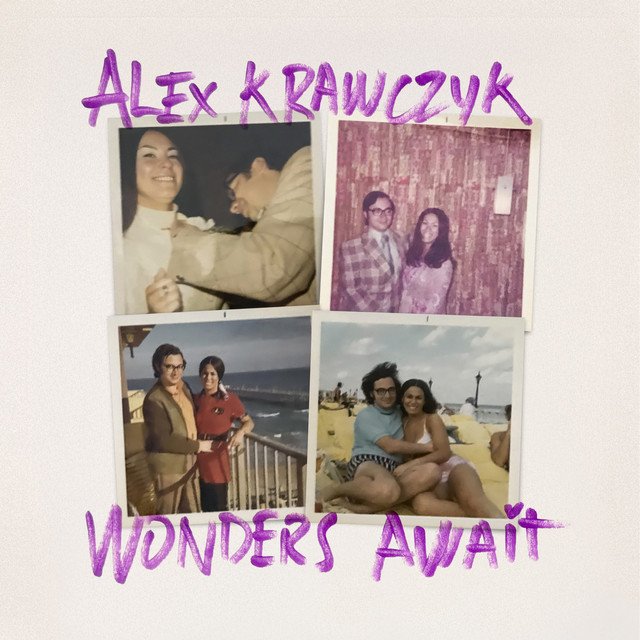
Song Critique: Alex Krawczyk – Welcome Goodbye | Jazz Review
Η Alex Krawczyk στο Welcome Goodbye κινείται σε γνώριμα jazz μονοπάτια, αλλά η δύναμή της δεν βρίσκεται στην ανατροπή, βρίσκε... >>> Read full review & listen to the song on Nagamag #jazzfusion #crossoverclassical #alexkrawczyk #canada #nagamag #musicmagazine #musicreview #review
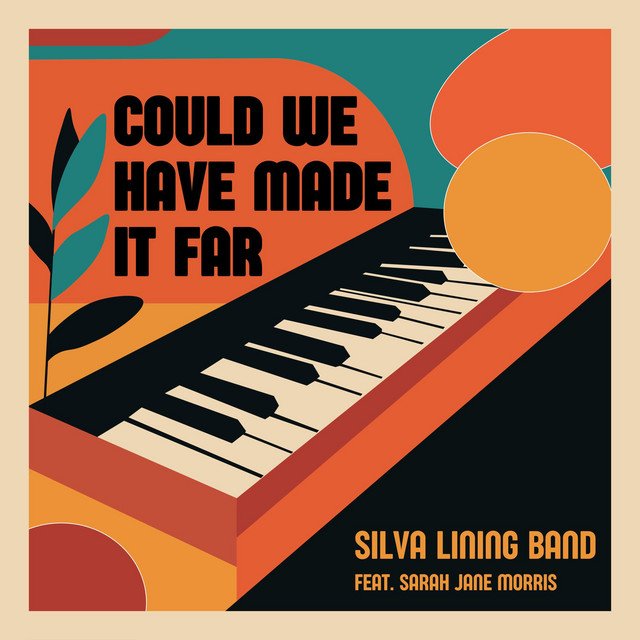
Release Review: Silva Lining – Could We Have Made it Far | Jazz
Στο Could We Have Made It Far, οι Silva Lining επιλέγουν τη λεπτότητα αντί για το δράμα και κερδίζουν ακριβώς γι’ αυτό. Τα φω... >>> Read full review & listen to the song on Nagamag #jazz #silvalining #unitedkingdom #nagamag #musicmagazine #musicreview #review
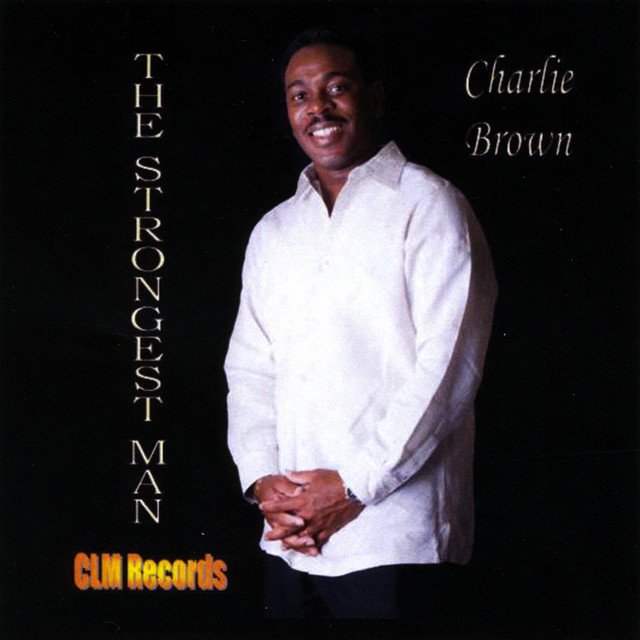
Feature Review: Charlie Brown – The Strongest Man | An essential Jazz Song
Στο The Strongest Man, ο Charlie Brown στήνει μια τζαζ αφήγηση που δεν ενδιαφέρεται να εντυπωσιάσει με ακροβασίες, αλλά να σε... >>> Read full review & listen to the song on Nagamag #contemporaryrnb #retrosoul #charliebrown #unitedstates #nagamag #musicmagazine #musicreview #review
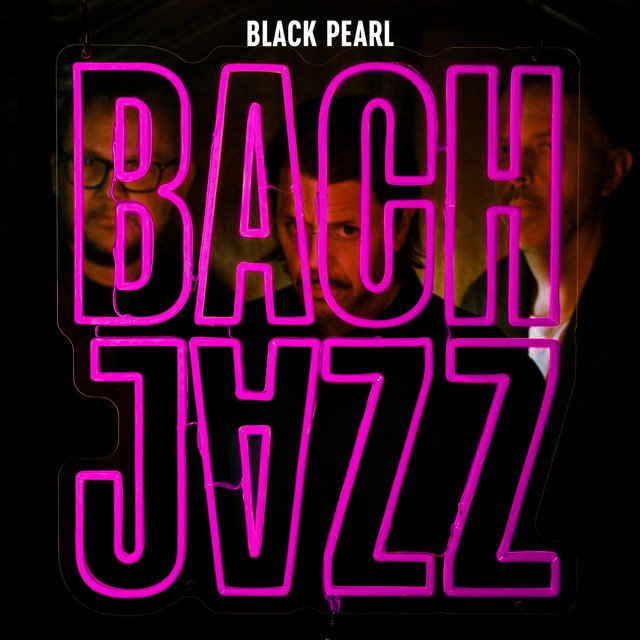
Music Critique: Bach Jazz – Black Pearl, BWV 988 | Jazz Review
Το Black Pearl, BWV 988 των Bach Jazz δεν αντιμετωπίζει τον Bach ως μνημείο, αλλά ως ζωντανό υλικό σε διαρκή αναπνοή. Η ανήσυ... >>> Read full review & listen to the song on Nagamag #jazz #bachjazz #sweden #nagamag #musicmagazine #musicreview #review

Review: Joo Kraus – Englishman in New York | A Jazz Discovery
Οι δρόμοι της πόλης και η βουή της σε απορροφούν και, μαζί τους, ταξιδεύεις σε κόσμους που δεν είχες ποτέ φανταστεί. Η μοναδι... >>> Read full review & listen to the song on Nagamag #chamberpop #crossoverclassical #jookraus #germany #nagamag #musicmagazine #musicreview #review
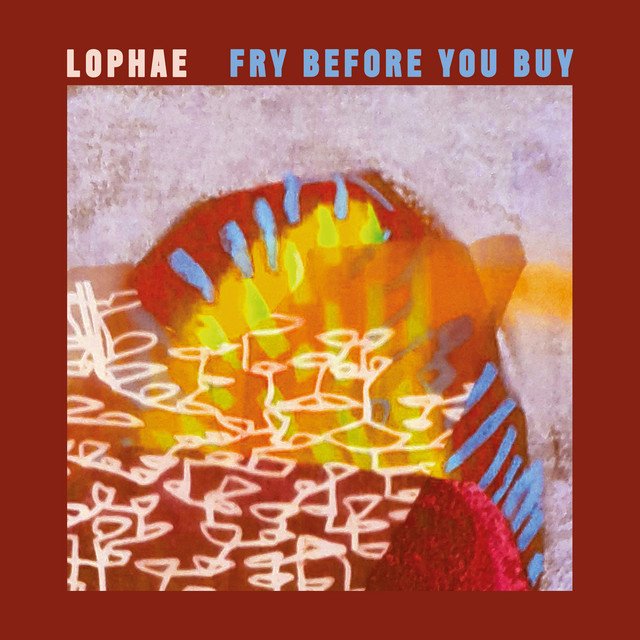
Jazz Review: Lophae – Fry Before You Buy
Με επιδέξιες και αρμονικές κινήσεις, η μελωδία δημιουργεί μια γοητευτική και παθιασμένη ατμόσφαιρα. Η ροή της σε οδηγεί σε μι... >>> Read full review & listen to the song on Nagamag #jazz #lophae #unitedkingdom #nagamag #musicmagazine #musicreview #review
Some Jazz subgenres
There are many subgenres of jazz, and the boundaries between them can be somewhat fluid. Here are a few of the most common subgenres of jazz:
Dixieland jazz: Also known as “traditional” or “New Orleans” jazz, this style is characterized by its use of collective improvisation and a strong rhythm section, featuring instruments such as the trumpet, trombone, and clarinet.
Swing: This style emerged in the 1930s and 1940s and is characterized by its use of a swinging rhythm and big band instrumentation. It was popularized by bands led by musicians such as Duke Ellington and Benny Goodman.
Bebop: This style emerged in the 1940s and is characterized by its fast tempo, complex chord progressions, and extensive use of improvisation. It was popularized by musicians such as Charlie Parker and Dizzy Gillespie.
Cool jazz: This style emerged in the 1950s and is characterized by its use of complex harmonies and a laid-back, relaxed approach to rhythm. It was popularized by musicians such as Miles Davis and Dave Brubeck.
Fusion: This style emerged in the 1970s and is characterized by its incorporation of elements from other genres of music, such as rock, funk, and world music. It was popularized by musicians such as John McLaughlin and Chick Corea.
Smooth jazz: This style emerged in the 1980s and is characterized by its use of electronic instrumentation and a focus on melody and groove. It was popularized by musicians such as George Benson and Grover Washington Jr.
Hard bop: This style emerged in the 1950s and is characterized by its use of blues and gospel influences and its incorporation of elements from bebop and swing. It was popularized by musicians such as Horace Silver and Art Blakey.
Free jazz: This style emerged in the 1960s and is characterized by its use of extended improvisation and a lack of strict chord progressions or other formal structures. It was popularized by musicians such as Ornette Coleman and John Coltrane.
Latin jazz: This style is characterized by its incorporation of Latin American rhythms and melodies, as well as its use of percussion instruments such as congas, timbales, and bongos. It was popularized by musicians such as Tito Puente and Cal Tjader.
Acid jazz: This style emerged in the 1980s and is characterized by its incorporation of elements from funk, soul, and hip hop, as well as its use of electronic instrumentation. It was popularized by musicians such as Brand New Heavies and Jamiroquai.
Jazz-rock: This style emerged in the 1970s and is characterized by its incorporation of elements from rock music and its use of electric instruments. It was popularized by musicians such as Mahavishnu Orchestra and Weather Report.
Jazz-funk: This style is characterized by its incorporation of elements from funk music and its use of electric instruments and groove-based rhythms. It was popularized by musicians such as James Brown and George Clinton.
As with any genre of music, these subgenres are just a few of the many that exist within the broader category of jazz. There are many other styles and variations within jazz.
The most used instruments in Jazz Music
There are many different instruments that are commonly used in jazz music, and the specific instruments used can vary depending on the style and context of the music. Here are a few of the most common instruments used in jazz:
Piano: The piano is a common instrument in jazz music and is often used to provide the harmonic foundation for the music. Jazz pianists may use a range of techniques, including comping (providing chordal accompaniment), soloing (performing a melodic solo), and improvising (creating music spontaneously).
Drums: The drums are an important part of the rhythm section in jazz music and are often used to create a swinging or groove-based feel. Jazz drummers may use a range of techniques, including various stick and cymbal patterns, to create complex rhythms and interactive interactions with other musicians.
Bass: The bass is another important part of the rhythm section in jazz music and is often used to provide the foundation for the music. Jazz bassists may use a range of techniques, including walking bass lines (a repeating pattern of notes played over the chord progression of a song) and soloing, to create a strong rhythmic and melodic foundation for the music.
Guitar: The guitar is often used in jazz music and can play a variety of roles, from providing chordal accompaniment to soloing. Jazz guitarists may use a range of techniques, including chord voicings (arrangements of notes in a chord), arpeggios (broken chords played one note at a time), and improvisation, to create complex and interesting musical textures.
Saxophone: The saxophone is a common instrument in jazz music and is often used to play melodies and improvise solos. Jazz saxophonists may use a range of techniques, including alternate fingerings, multiphonics (playing more than one pitch at a time), and circular breathing (a technique for continuous blowing), to create a wide range of sounds and textures.
Vocals: Vocals are often used in jazz music, and many jazz singers have made significant contributions to the genre. Jazz vocals can take many forms, ranging from scat singing (improvised vocalizations using nonsense syllables) to more traditional vocal styles such as singing with lyrics. Some famous jazz singers include Billie Holiday, Ella Fitzgerald, and Louis Armstrong, all of whom are known for their unique vocal styles and ability to improvise.
In addition to traditional vocals, many jazz musicians also use electronic effects and processing to manipulate their voices, creating a wide range of sounds and textures. Some jazz musicians, such as Bobby McFerrin and Gregory Porter, have made significant contributions to the genre using only their voices, without any accompanying instruments.
In jazz music, lyrics are often used in the same way as in other genres of music, to express emotions, tell a story, or convey a message. However, jazz lyrics may also be used to create a structure for improvisation or to provide a basis for scat singing, which is a form of vocal improvisation in which the singer uses nonsense syllables instead of actual words.
Jazz lyrics may also be more abstract and poetic than lyrics in other genres of music, and may use figurative language or symbolism to convey meaning. Jazz lyrics often reflect the social and cultural contexts in which the music was created, and may address themes such as love, loss, hope, and social or political issues.
Overall, vocals and the meaning of lyrics in jazz music depends on the context in which they are used and the intentions of the songwriter. They can be used to express emotions, tell a story, convey a message, or provide a structure for the music to follow.