
Neoclassical Music ⁞ New Releases⁞ Artist Interviews⁞ Music News
Introduction of Neoclassical Music
Neoclassical music is a style of classical music that is characterized by its use of traditional forms and styles, as well as a focus on structure and balance. It is often seen as a reaction against the romantic style of music, which was characterized by emotion and passion, and was influenced by the ideas of the Enlightenment, which valued reason and classical learning.
Some of the key features of neoclassical music include the use of traditional forms such as sonata form, the use of clear and concise melodies, and the incorporation of elements of folk music and popular music. Neoclassical music also often featured a return to tonality, which is the use of a specific key or tonal center in a piece of music.
The neoclassical style has had a lasting influence on classical music, and it continues to be an important part of the classical repertoire
Favorite Neoclassical Music on Spotify
Favorite Neoclassical Videos on Youtube
Recent Neoclassical Interviews
Neoclassical Features
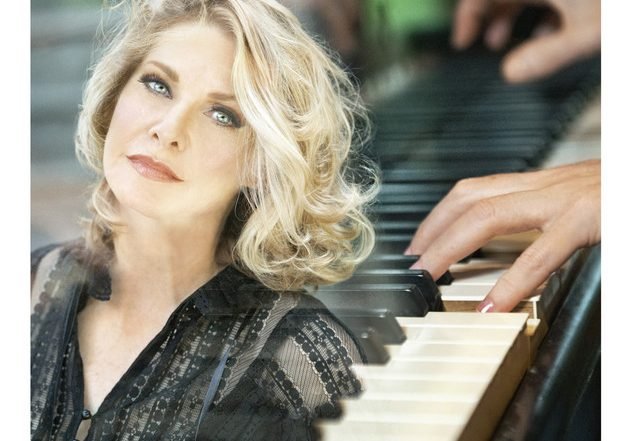
Fiona Joy Hawkins – Aqua 2 (Spotify)

An impressionistic piano solo inspired by water from an album that is an exploration of 'now': water, fire, climate change, survival, and the vanishing of souls into the wind. Well performed and recorded/mastered with clarity offering a fresh positive outlook making it perfect for start up your new day.
Few words about Fiona Joy Hawkins:
Fiona Joy (Hawkins) is an Australian Pianist, Composer and Singer. Known asThe Piano Angel in China, she is a member of the New Age Super-group FLOW (Fiona Joy, Lawrence Blatt, Jeff Oster, Will Ackerman) and performed with them at New York’s Carnegie (Weill Hall) as well as on Echoes/NPR Radio in 2017. Fiona had a song on a Grammy Winning album in 2014, won two categories in the Independent Music Awards held at the Lincoln Centre in NY in 2016, works with Australian piano maker Stuart and Sons and also records in Audiophile forms with Blue Coast Records (content Partners with Sony for hi-res audio).
“One of the brightest lights in contemporary instrumental music, Fiona Joy is poised to move into stardom.”
- Will Ackerman, Founder of Windham Hill Records
http://fionajoy.com/
!["""Gaia's Curse"" (Vocal Version) [feat. Dia Shih] | Epic Fantasy Music | Original Composition (Video) Nagamag"](https://www.nagamag.com/wp-content/uploads/2020/07/gaias-curse-vocal-version-feat-dia-shih-epic-fantasy-music-original-composition-video-nagamag-music-magazine-700x441.jpg)
Gaia’s Curse (Vocal Version) [feat. Dia Shih] | Epic Fantasy Music | Original Composition (Video)
Gaia is the goddess of the earth in Greek mythology. This song described the creator who created the earth by the hand of the goddess, but was ruthlessly destroyed by humans. Gaia was disappointed in humans and cursed the humans.
● Chapter 1:
The goddess awakens in the chaos of the universe and she helps God to create the heaven and the earth.
Lyric: ” בְּרֵאשִׁ֖ית בָּרָ֣א אֱלֹהִ֑ים אֵ֥ת הַשָּׁמַ֖יִם וְאֵ֥ת הָאָֽרֶץ׃ ”
● Chapter 2:
God made the animals which ran happily in the verdant forest and grasslands. The goddess and the elf enjoyed the beauty of the earth.
● Chapter 3:
All the creations were finished, the fowls and the beasts of the earth after their kind.
However, bad omen followed…..
Lyric: “וַיֹּ֣אמֶר אֱלֹהִ֗ים תֹּוצֵ֨א הָאָ֜רֶץ נֶ֤פֶשׁ חַיָּה֙ לְמִינָ֔הּ בְּהֵמָ֥ה וָרֶ֛מֶשׂ וְחַֽיְתֹו־אֶ֖רֶץ לְמִינָ֑הּ וַֽיְהִי־כֵֽן׃”
● Chapter 4:
Humans cut down trees, and destroyed the ecological balance, their greed led to wars. The goddess was shocked to see that the earth was suffering damage mercilessly, so she opened the box of curses in anger to punish ignorant humans.
Lyric: “Lacrimosa dies illa Qua resurget ex favilla Judicandus homo reus.”
● Chapter 5:
The goddess was moved with pity on the few innocent humans and pure animals that were punished, so she prayed sincerely on the ladder which is leading to the realm of God.
Lyric: “Huic ergo parce, Deus: Dona eis requiem.”
● Chapter 6:
The goddess and the elf returned to the realm of God and rebuilt the earth….
Lyric: ” בְּרֵאשִׁ֖ית בָּרָ֣א אֱלֹהִ֑ים אֵ֥ת הַשָּׁמַ֖יִם וְאֵ֥ת הָאָֽרֶץ׃ ”
Raining Yu is an instrumental music composer, specializes in piano, orchestra, and synthesizer.
https://open.spotify.com/artist/27o0ZJ8u6yw3EIxo06dDfs
https://www.instagram.com/raining.yu
https://www.facebook.com/c.RainingYu
https://twitter.com/c_rainingyu
https://www.youtube.com/c/RainingYu
Latest Neoclassical discoveries
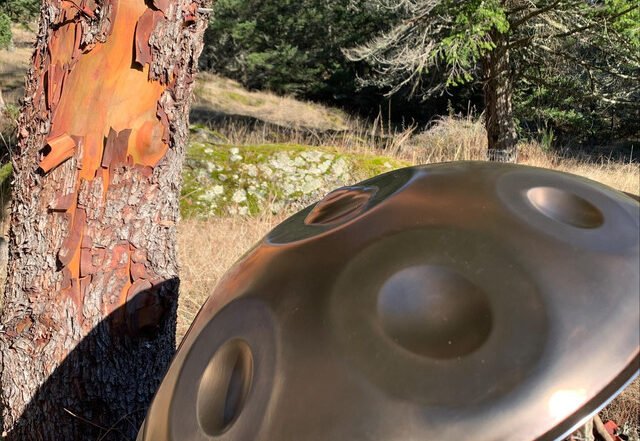
JOCÉAN – Joy of Metamorphose
Beautiful song full of easy listening sounds, wonderful melodies and themes, very calming and relaxing in nature. Handpan or a Hang is an amazing instrument, s... >>> Read more & listen to this song on Nagamag #neo #modernclassical #jocéan #nagamag #musicmagazine IG: @joceanhandpanmusic

Sacha Hoedemaker – The Priestess
Современная неоклассическая музыка производит неизгладимое впечатление. В этой композиции красиво отражена вся суть влияния звуковых вибраций пиано на душу и п... >>> Read more & listen to this song on Nagamag #solopiano #neo #modernclassical #sachahoedemaker #nagamag #musicmagazine IG: @sachahoedemaker

Piotr Wiese – Waves I Remember
Волны воспоминаний блуждают в вашем подсознании словно мотыльки в темноте, пытаясь найти дорогу к источнику света. Там, в нескончаемом туннеле событий, на конц... >>> Read more & listen to this song on Nagamag #neo #modernclassical #piotrwiese #nagamag #musicmagazine IG: @piotr.wiese TW: @WiesePiotr
Peter Sandberg – Orion III
Μέσα στην ήσυχη νύχτα το τοπίο ακίνητο ατενίζει τον έναστρο ουρανό. Η μελωδία αγγίζει την καρδιά και την αφήνει να ταξιδέψει σε μέρη άγνωστα και όμορφα. Με την... >>> Read more & listen to this song on Nagamag #solopiano #neo #modernclassical #crossoverclassical #petersandberg #nagamag #musicmagazine IG: @petersandberg_

Patrick Zelinski x Eric Heitmann – Wonder
Crystal melodic vibrations and magical electronic pads can guarantee a deeply emotional touch and erase the typical hazy tapestry of your mind. If you apprecia... >>> Read more & listen to this song on Nagamag #ambient #drone #cinematic #epicmusic #postrock #patrickzelinski #nagamag #musicmagazine IG: @patrick_zelinski TW: @PatrickZelinsk1

Byebyefish – First Breaths
Μια νέα ζωή ξεκινά να κάνει τα πρώτα της βήματα. Όλα μοιάζουν πρωτόγνωρα και η μελωδία ηχεί στα αυτιά δίνοντας ώθηση και κουράγιο για να προχωρήσεις μπροστά χω... >>> Read more & listen to this song on Nagamag #solopiano #neo #modernclassical #newage #byebyefish #nagamag #musicmagazine IG: @byebyefish_fr TW: @byebyefish

Sergio Díaz De Rojas – Holding her is where I learned forgiveness (feat. Lo-Fang)
Melancholic and beautiful piano theme creates the basic structure of this dreamy song. Vocal is blissful, very emotional, deep, sadness can be felt, that feeli... >>> Read more & listen to this song on Nagamag #indiefolk #acoustic #neo #modernclassical #sergiodíazderojas #nagamag #musicmagazine IG: @bonjoursergio
Maziyar Parsa – Road
Куда приведёт избранная вами дорога, сколько чудес света откроется вашему взору, как много интересных и важных людей вы встретите. Мир у ваших ног, осталось ли... >>> Read more & listen to this song on Nagamag #neo #modernclassical #solopiano #maziyarparsa #nagamag #musicmagazine IG: @maziyar.parsa.piano TW: @MaziyarParsa

Nick Mateo – Luna
Сколько прекрасной, душевной музыки было написано во имя Луны, которая освещает наш путь каждый раз, как только солнце скрывается за горизонтом. Но среди многи... >>> Read more & listen to this song on Nagamag #solopiano #nickmateo #nagamag #musicmagazine IG: @nickmateomusic
Difference between Classical and Neoclassical Music
Classical music refers to a broad range of music written in the classical tradition, which encompasses a wide range of styles and forms. It is generally characterized by its formal structure and its use of traditional instruments and ensemble configurations.
Neoclassicism is a style of music that refers to the revival and use of classical forms and styles in music, particularly in the 18th and early 19th centuries. It is characterized by its use of clear, concise forms and a focus on structure and balance. Neoclassicism was a reaction against the romantic style of music, which was characterized by emotion and passion, and was influenced by the ideas of the Enlightenment, which valued reason and classical learning.
Some of the key differences between classical and neoclassical music include:
Time period: Classical music refers to music written during the classical period (1730-1820), while neoclassicism refers to music written after the classical period that incorporates elements of classical forms and styles.
Emphasis on structure: Classical music is known for its formal structure and the use of traditional forms such as the sonata and the symphony. Neoclassical music also places a strong emphasis on structure, but may also incorporate elements of popular music and folk music.
Emphasis on emotion: Classical music is often more reserved and formal in its emotional expression, while neoclassicism tends to be more emotional and expressive.
Use of tonality: Both classical and neoclassical music use tonality, but neoclassicism often incorporates a wider range of tonal structures and may experiment with atonality.
Use of traditional instruments: Both classical and neoclassical music use traditional classical instruments such as strings, woodwinds, brass, and percussion. However, neoclassicism may also incorporate elements of popular music and folk music, and may use a wider range of instruments.
Overall, the main difference between classical and neoclassical music is the time period in which the music was written, and the specific techniques and styles used by the composer. Classical music is generally more formal and reserved in its expression, while neoclassicism tends to be more expressive and may incorporate elements of popular music and folk music.
The most used instruments in Neoclassical Music
In neoclassical music, the most common instruments used are those found in the classical orchestra, including:
Strings: Violin, viola, cello, double bass
Woodwinds: Flute, oboe, clarinet, bassoon
Brass: Trumpet, French horn, trombone, tuba
Percussion: Timpani, snare drum, bass drum, cymbals, xylophone, marimba, triangle
Keyboard: Piano, harpsichord
These instruments are often used to create a wide range of textures and sounds, and are featured in many different types of classical music, including neoclassical music. In addition to these instruments, many composers also incorporate elements of popular music and folk music into their compositions, and may use a variety of other instruments such as guitars, bass, drums, and synthesizers.
It’s also worth noting that many composers and performers of neoclassical music are skilled in a variety of different instruments, and may switch between different instruments in order to achieve the desired sound and texture.
Vocals are sometimes used in neoclassical music, although they are not as common as instrumental music. When vocals are used in neoclassical music, they are typically performed by trained classical singers who have the ability to sing with precise pitch and control.
One common use of vocals in neoclassical music is in operatic compositions, where singers perform arias and recitatives in a style that is similar to traditional opera. Neoclassical opera is a subgenre of classical music that combines elements of traditional opera with elements of neoclassicism, and often incorporates elements of popular music and folk music.
In addition to operatic vocals, vocals may also be used in other forms of neoclassical music, such as choral music or vocal chamber music. Some composers may also incorporate elements of popular music or folk music into their compositions, and may use vocals in a more modern or experimental style.
It’s worth noting that the use of vocals in neoclassical music is highly dependent on the individual composer and the specific piece of music, and not all neoclassical compositions will feature vocals.