
Neoclassical Music ⁞ New Releases⁞ Artist Interviews⁞ Music News
Introduction of Neoclassical Music
Neoclassical music is a style of classical music that is characterized by its use of traditional forms and styles, as well as a focus on structure and balance. It is often seen as a reaction against the romantic style of music, which was characterized by emotion and passion, and was influenced by the ideas of the Enlightenment, which valued reason and classical learning.
Some of the key features of neoclassical music include the use of traditional forms such as sonata form, the use of clear and concise melodies, and the incorporation of elements of folk music and popular music. Neoclassical music also often featured a return to tonality, which is the use of a specific key or tonal center in a piece of music.
The neoclassical style has had a lasting influence on classical music, and it continues to be an important part of the classical repertoire
Favorite Neoclassical Music on Spotify
Favorite Neoclassical Videos on Youtube
Recent Neoclassical Interviews
Neoclassical Features
Kepa Lehtinen – Nowhere (Spotify)
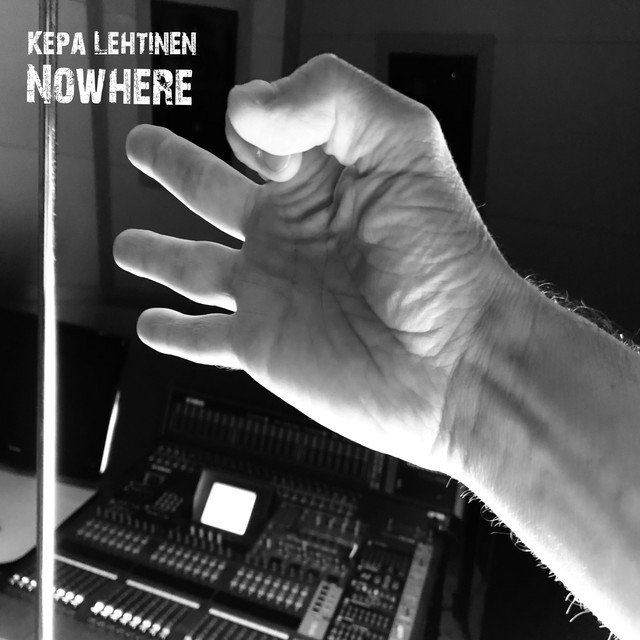
“Let yourself and your thoughts flow out of the endless stream of daily worries. The wounds will be healed, the heartbeat slows down, let the river of life take you on its waves. Kepa Lehtinen knows how to sound design a cinematic story, where the emotions fly around on all sides, to nowhere, like feathers in the wind and the bond of piano keys and theremin seems like a couple of angels who dance in the rhythm of wind.”
“Отпусти себя и свои мысли в бесконечном потоке наших повседневных забот. Раны затягиваются, биение сердца замедляется, пусть река жизни уносит вас на своих волнах.”
-Nagamag.com
The Maestro of the Theramin is out with a brand new song “NOwhere”... there is more to the instrument made famous by Scifi films from 50's.
The theremin, comes to life under the direction of the rising Finnish composer, Kepa Lehtinen on his new dark andante Nowhere.“The way i use theremin is quite unique. Together with double bass the theremin completes the piano like cello and violin does in classical piano trio.” The theremin is a electronic instrument which produces sound when your hands interact with the electro-magnetic field it emits without actually touching the device itself. It was invented in the labs of KGB by Russian engineer Leon Theremin in the early 1920s.
Strumming through the invisible electronic waves the Tonality play is unnoticeable. While harmonies are modern and complex; the overall feel seems to be nonetheless easily approachable and primitively hypnotic.
Insight to the world of the Theremin from Kepa….On the sound ”Retro but ultra hifi sound has been my goal at studio. Sound of sadness and past.” “Everybody wonders at my instrument,” ”but after all it is the most organic musical instrument there is. The sound is in direct contact with my breathing and the slightest movements of my body. I played the theremin part with a sore hand that I had hurt in a small skate accident i can feel the pain in my hand every time i listen to this track - lol”
https://www.facebook.com/kepalehtinenartist

Selsom – Eiter (Spotify)

“Imagine flying into a new untouched land as a free bird, seeing the beauty of pure nature, the clean cool air tickling your skin, your eyes hypnotized into this majestic view. Selsom with Eiter through his wonderful harmonies manage to provide us a daydreaming of hope.”
-Nagamag.com
Eiter, meaning "small hail stones" in Norwegian, is part of a one-track-a-month ode to snow concept. It is an electronic neo-classical single with a piano solo B-side. The A-side is lead by an intimate pacy piano rhythm, covered by ambient strings, arpeggiator synths and vocal chops reminiscent of Ólafur Arnalds.
https://www.selsommusic.com/
Selsom is the composer alias of songwriter and producer Stian Vedøy. Hailing from a windswept west coast island in Norway, with not much else to do other than playing music, Vedøy started having piano lessons as a 6 year old. Having given most of his adult years too his indie folk pop project, Firewoodisland, he has now decided that it is time create an outlet for his piano lead compositions. With hints of misty and organic sounding synths and other sonic nuances, Selsom takes you to an atmospheric and cinematic state of deep focus.
https://www.instagram.com/selsommusic
Latest Neoclassical discoveries
Steve Luck – Moment of Reflection
Ήσυχα και μελαγχολικά η μελωδία αγγίζει την καρδιά μας και μας ταξιδεύει σε τοπία όμορφα και γαλήνια. Μέσα στη ηρεμία της βρίσκουμε τον εαυτό μας και αφηνόμαστ... >>> Read more & listen to this song on Nagamag #solopiano #neo #modernclassical #steveluck #unitedkingdom #nagamag #musicmagazine IG: @steveluckmusic TW: @steveluck

Ros Gilman – ”Sadness” by Ros Gilman
Η απαλή μελωδία μαγεύει την ψυχή και εισβάλει ευχάριστα στο μυαλό και τις αισθήσεις κάνοντας όμορφη την ήσυχη βραδιά. Οι σταγόνες της βροχής κάνουν το χώμα να ... >>> Read more & listen to this song on Nagamag #solopiano #neo #modernclassical #rosgilman #unitedkingdom #nagamag #musicmagazine TW: @rosgilman
Michael Koch – Frühlingserwachen
Когда весна восходит вслед за солнцем и чувствуется, как на губах таят последние снежинки, то внутри происходят удивительные изменения — сердце бьётся сильнее,... >>> Read more & listen to this song on Nagamag #solopiano #neo #modernclassical #michaelkoch #germany #nagamag #musicmagazine IG: @michaelkochmusik

Bernie Rosa – Bright & Early
Когда ранним утром над ржаным полем встаёт огненный шар солнца, то вы ослеплённые его лучами торопитесь ему на встречу. Старый, деревянный столик у берега зали... >>> Read more & listen to this song on Nagamag #solopiano #bernierosa #unitedstates #nagamag #musicmagazine IG: @bernie.rosa.music
![Joshua Creek - Peaks [Joshua Creek & Casper Tromp], Neoclassical music genre, Nagamag Magazine](https://www.nagamag.com/wp-content/uploads/2023/04/joshua-creek-peaks-joshua-creek-casper-tromp-nagamag-music-magazine-640x441.jpg)
Joshua Creek – Peaks [Joshua Creek & Casper Tromp]
An epic string assembly start, this composition begins with a big anthem alike theme. After that introduction, blissful and very emotional piano theme comes, t... >>> Read more & listen to this song on Nagamag #neo #modernclassical #cinematic #epicmusic #joshuacreek #australia #nagamag #musicmagazine
![[[]]togethermachine - The Situation With Aaron, Neoclassical music genre, Nagamag Magazine](https://www.nagamag.com/wp-content/uploads/2023/04/togethermachine-the-situation-with-aaron-nagamag-music-magazine-640x441.jpg)
[[]]togethermachine – The Situation With Aaron
Эта фортепианная мелодия словно маленькие часики на руках, которые отсчитывают ваше время в неторопливом темпе. Вокальные текстуры как стая лебедей проносятся ... >>> Read more & listen to this song on Nagamag #solopiano #cinematic #epicmusic #[[]]togethermachine #netherlands #nagamag #musicmagazine IG: @togethermachine

Emil Smith – Forest
Есть в новой композиции -Emil Smith- нечто первобытное, словно бы ты оказался где-то в глубине лесной чащи, окружённый высокими деревьями, пением птиц и сверка... >>> Read more & listen to this song on Nagamag #cinematic #epicmusic #emilsmith #denmark #nagamag #musicmagazine IG: @lydsmeden
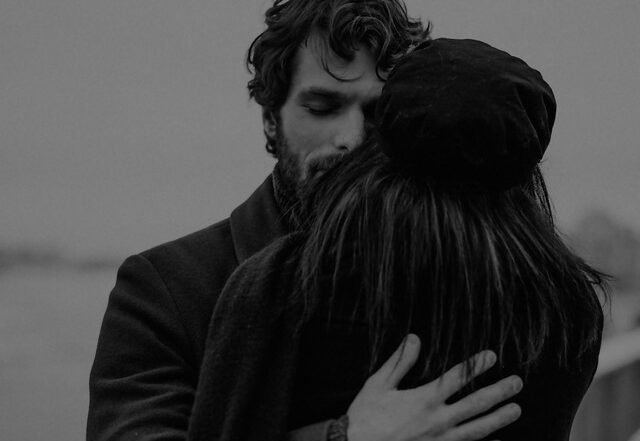
Stefano D’Amico – Time to say goodbye
Иногда наступает этап, когда нужно прощаться с тем, кого любишь. Как бы не было грустно, тоскливо и печально, но лишь остывающие на щеках слёзы будут напоминат... >>> Read more & listen to this song on Nagamag #neo #modernclassical #cinematic #epicmusic #classicalstrings #stefanod’amico #italy #nagamag #musicmagazine

Julian Loida – Giverny
Very playful piano theme takes far beyond dream land. Its progression feels warm and cold at the same time. Layering sounds that are soft expands this soundsca... >>> Read more & listen to this song on Nagamag #neo #modernclassical #cinematic #epicmusic #julianloida #unitedstates #nagamag #musicmagazine IG: @julianloida
Difference between Classical and Neoclassical Music
Classical music refers to a broad range of music written in the classical tradition, which encompasses a wide range of styles and forms. It is generally characterized by its formal structure and its use of traditional instruments and ensemble configurations.
Neoclassicism is a style of music that refers to the revival and use of classical forms and styles in music, particularly in the 18th and early 19th centuries. It is characterized by its use of clear, concise forms and a focus on structure and balance. Neoclassicism was a reaction against the romantic style of music, which was characterized by emotion and passion, and was influenced by the ideas of the Enlightenment, which valued reason and classical learning.
Some of the key differences between classical and neoclassical music include:
Time period: Classical music refers to music written during the classical period (1730-1820), while neoclassicism refers to music written after the classical period that incorporates elements of classical forms and styles.
Emphasis on structure: Classical music is known for its formal structure and the use of traditional forms such as the sonata and the symphony. Neoclassical music also places a strong emphasis on structure, but may also incorporate elements of popular music and folk music.
Emphasis on emotion: Classical music is often more reserved and formal in its emotional expression, while neoclassicism tends to be more emotional and expressive.
Use of tonality: Both classical and neoclassical music use tonality, but neoclassicism often incorporates a wider range of tonal structures and may experiment with atonality.
Use of traditional instruments: Both classical and neoclassical music use traditional classical instruments such as strings, woodwinds, brass, and percussion. However, neoclassicism may also incorporate elements of popular music and folk music, and may use a wider range of instruments.
Overall, the main difference between classical and neoclassical music is the time period in which the music was written, and the specific techniques and styles used by the composer. Classical music is generally more formal and reserved in its expression, while neoclassicism tends to be more expressive and may incorporate elements of popular music and folk music.
The most used instruments in Neoclassical Music
In neoclassical music, the most common instruments used are those found in the classical orchestra, including:
Strings: Violin, viola, cello, double bass
Woodwinds: Flute, oboe, clarinet, bassoon
Brass: Trumpet, French horn, trombone, tuba
Percussion: Timpani, snare drum, bass drum, cymbals, xylophone, marimba, triangle
Keyboard: Piano, harpsichord
These instruments are often used to create a wide range of textures and sounds, and are featured in many different types of classical music, including neoclassical music. In addition to these instruments, many composers also incorporate elements of popular music and folk music into their compositions, and may use a variety of other instruments such as guitars, bass, drums, and synthesizers.
It’s also worth noting that many composers and performers of neoclassical music are skilled in a variety of different instruments, and may switch between different instruments in order to achieve the desired sound and texture.
Vocals are sometimes used in neoclassical music, although they are not as common as instrumental music. When vocals are used in neoclassical music, they are typically performed by trained classical singers who have the ability to sing with precise pitch and control.
One common use of vocals in neoclassical music is in operatic compositions, where singers perform arias and recitatives in a style that is similar to traditional opera. Neoclassical opera is a subgenre of classical music that combines elements of traditional opera with elements of neoclassicism, and often incorporates elements of popular music and folk music.
In addition to operatic vocals, vocals may also be used in other forms of neoclassical music, such as choral music or vocal chamber music. Some composers may also incorporate elements of popular music or folk music into their compositions, and may use vocals in a more modern or experimental style.
It’s worth noting that the use of vocals in neoclassical music is highly dependent on the individual composer and the specific piece of music, and not all neoclassical compositions will feature vocals.