
Rock Music ⁞ New Releases⁞ Artist Interviews⁞ Music News
Introduction of Rock Music
Rock music is a genre of popular music that originated in the 1950s. It is characterized by its use of electric guitars, bass guitar, and drums, as well as its heavy reliance on blues-based musical structures. Rock music often features vocals and lyrics that address a wide range of themes, including love, relationships, and social and political issues. Over the years, rock music has evolved and spawned many subgenres, including classic rock, hard rock, punk rock, and alternative rock, among others. Rock music has had a significant cultural impact and has influenced many other genres of music.
Rock Playlist by Nagamag on Spotify
Latest Rock discoveries

Jude Moses – The Multicolored Beast
“Inspired by the unique characteristics of planet Earth, this fresh single is an ode to the beauty of nature. Sometimes peaceful, sometimes wild that scenery is ... >>> Read more & listen to this song on Nagamag #indiefolk #folkrock #folk #nagamag #musicmagazine FB: @judemosesmusic

Vintz Desert – Enemy
“Без преувеличения скажем, что эта композиция является эталоном качественной расслабляющей и, можно сказать, медитативной Indie Folk музыкой. Перед вами откроютс... >>> Read more & listen to this song on Nagamag #indiefolk #folk #acoustic #nagamag #musicmagazine

Harriet Nauer – Bang Bang
“Вокал -Harriet Nauer- словно белый лебедь на поверхности кристального озера. Он очень мягко вливается в общую картину трека и чем больше его слушаешь, тем больш... >>> Read more & listen to this song on Nagamag #singersongwriter #folk #americana #nagamag #musicmagazine

Francisco Sola – Easy Answer
“Прекрасное акустическое оформление в жанре фолк, с тёплым, душевным вокалом -Francisco Sola-. Не сжигайте сердца тех, кто вас любит, назад пути нет. Любите искр... >>> Read more & listen to this song on Nagamag #folk #acoustic #nagamag #musicmagazine

Tommy Alexander – Whatever You Say (Our Vinyl Sessions)
“Трек вышел очень спокойным, тёплым и по-настоящему солнечным. Прекрасно слушается и ощущается после тяжелого трудового дня и привносит в сердце ощущения тепла и... >>> Read more & listen to this song on Nagamag #folk #americana #acoustic #nagamag #musicmagazine FB: @tommyalexanderband

Iskwe and Tom Wilson – Long Way Down
“Мелодия и звук бас-гитары впечатляет сильнее, чем вид вечно падающей Пизанской башни. Глубокая атмосфера Альтернативного Рока чувствуется в каждой ноте, настоль... >>> Read more & listen to this song on Nagamag #folk #americana #alternativerock #nagamag #musicmagazine FB: @iskwemusic

Keston Cobblers Club – Rigmarole
“"Rigmarole" is a story of realizing the true values in life. Most people pursue things that never last forever. They spend all their energy to become rich, but ... >>> Read more & listen to this song on Nagamag #indiefolk #folk #acoustic #nagamag #musicmagazine FB: @kestoncobblersclub
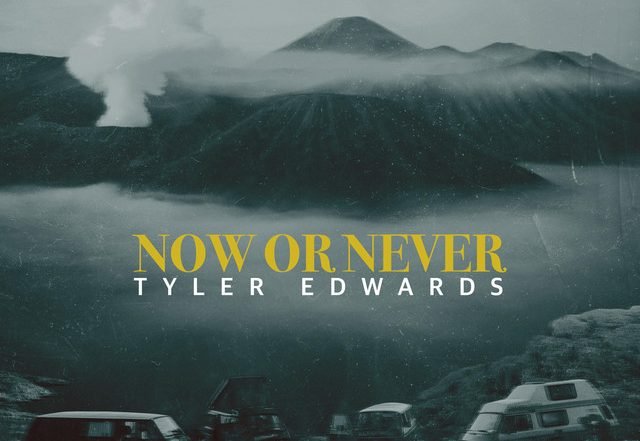
Tyler Edwards – NOW OR NEVER
“Вам может показаться, что это обычный акустический рок, но мы вам советуем прислушаться и присмотреться более внимательно к этой композиции. Прочувствуйте её вс... >>> Read more & listen to this song on Nagamag #singersongwriter #acoustic #nagamag #musicmagazine FB: @tyleredwardsmusicpage

Steven Curtis – Patience
“Наверное, не существует композиции более искренней и открытой, чем это чудо. Это настоящий процесс излияния чувств и эмоций с помощью акустических инструментов ... >>> Read more & listen to this song on Nagamag #acoustic #nagamag #musicmagazine FB: @stevencurtismusic
Some Rock subgenres
There are many subgenres of rock music, each with its own distinct style and characteristics. Some of the most popular subgenres include:
Classic rock: This subgenre includes rock music that was popular in the 1960s, 1970s, and 1980s. Classic rock bands often have a blues-based sound and often feature long, guitar-driven instrumentals.
Hard rock: This subgenre is characterized by its heavy, aggressive sound, which is often achieved through the use of distorted electric guitars and a strong rhythm section. Hard rock bands often have a high-energy stage presence and lyrics that address themes of rebellion and individualism.
Punk rock: Punk rock is a fast-paced, stripped-down style of rock music that originated in the 1970s. It is characterized by its raw, abrasive sound, and often features lyrics that address social and political issues. Punk rock bands often have a rebellious and DIY (do-it-yourself) attitude.
Alternative rock: This subgenre encompasses a wide range of rock music that doesn’t fit neatly into any other category. Alternative rock bands often experiment with different sounds and styles, and their lyrics often address more introspective and personal themes.
Grunge: Grunge is a subgenre of alternative rock that emerged in the Pacific Northwest in the 1990s. It is characterized by its heavy, distorted sound, and often features lyrics that address themes of alienation and despair. Grunge bands often have a bleak and moody aesthetic.
Heavy metal: This subgenre is characterized by its fast tempo, loud and aggressive sound, and often features lyrics that address themes of rebellion and individualism. Heavy metal bands often use complex guitar riffs and solos, and often have a strong stage presence.
Progressive rock: This subgenre is characterized by its experimental, complex, and often epic-length compositions. Progressive rock bands often incorporate elements of classical music and jazz into their sound, and often have a more cerebral and intellectual approach to their lyrics.
Indie rock: This subgenre encompasses a wide range of rock music that is produced and released independently of major record labels. Indie rock bands often have a more experimental and unconventional sound and approach to their music, and often address more introspective and personal themes in their lyrics.
Folk rock: This subgenre combines elements of rock music with elements of folk music, such as acoustic instruments and harmonies. Folk rock bands often have a more laid-back, introspective sound and often address themes of love and relationships in their lyrics.
Power pop: This subgenre is characterized by its catchy, upbeat sound and often features lyrics that address themes of love and relationships. Power pop bands often use simple, straightforward song structures and often have a more upbeat and optimistic aesthetic.
These are just a few examples of the many subgenres of rock music. There are many other subgenres as well, each with its own unique sound and style.
The most used instruments in Rock Music
The most common instruments used in rock music are electric and acoustic guitars, bass guitar, and drums.
Guitars: Electric and acoustic guitars are central to the sound of rock music. Electric guitars are typically played through an amplifier to produce a louder, more distorted sound. They are often used to play solos and lead melodies. Acoustic guitars are used less frequently in rock music, but they can be used to add texture and depth to a song.
Bass guitar: The bass guitar is a stringed instrument that is played with a pick or plucking the strings with the fingers. It provides the low-end foundation for a rock song and often plays the same melody as the guitar or keyboard.
Drums: Drums are an essential part of the rock music sound and are usually played by a drummer. They provide the rhythmic foundation for a song and often play a central role in driving the song’s energy and intensity.
Vocals: Vocals are an integral part of rock music. Rock music often features vocals and lyrics that address a wide range of themes, including love, relationships, and social and political issues. Rock music can be sung in a variety of styles, from melodic and harmonized to raw and aggressive. The lyrics of rock songs are often written by the band’s lead singer or primary songwriter and can be an important way for the band to express their ideas and emotions.
In many rock bands, the lead singer is also the primary songwriter and is responsible for writing the lyrics and melodies of the songs. The lead singer is often the front person for the band and is responsible for performing the songs and interacting with the audience during live shows. In some cases, the lead singer may also play an instrument, such as guitar or piano.
In addition to the lead singer, many rock bands also have backup singers, who sing harmonies and provide additional vocal support. Backup singers may also contribute to the writing of the band’s songs and may play instruments as well.
In rock music, lyrics are often an important way for the band or artist to express their ideas, emotions, and experiences. Rock lyrics can address a wide range of themes, including love, relationships, and social and political issues.
The meaning of lyrics can vary depending on the context in which they are written and the perspective of the person interpreting them. Some lyrics are meant to be taken literally, while others are more metaphorical or symbolic. Some lyrics are written to tell a story or to convey a specific message, while others are more open-ended and open to interpretation.
In some cases, the lyrics of a rock song may be written by the band’s lead singer or primary songwriter and may reflect their personal experiences and emotions. In other cases, the lyrics may be more universal in nature and may be relatable to a wide audience.
Regardless of their specific meaning, the lyrics of a rock song can be an important way for the band or artist to connect with their audience and to express themselves creatively.
Other instruments that are sometimes used in rock music include keyboards, such as pianos and synthesizers, and percussion instruments, such as tambourines and cowbells. Some rock bands also incorporate horns, such as saxophones and trumpets, into their sound.