
Jazz Music ⁞ New Releases⁞ Artist Interviews⁞ Music News
Introduction of Jazz Music
Jazz is a genre of music that originated in the African-American communities of New Orleans, United States, in the late 19th and early 20th centuries. It is characterized by its use of improvisation, complex harmonic structures, and a wide range of musical influences, including blues, gospel, and European classical music. Jazz is known for its swing rhythm, which is created by the use of syncopated rhythms and a strong pulse. It is often played by small ensembles, such as a quintet or sextet, and is known for its ability to adapt to a wide range of musical contexts and styles. Jazz has had a significant influence on many other genres of music, and has been an important part of the cultural fabric of the United States and the rest of the world for more than a century.
Jazz by Nagamag Playlist on Spotify
Recent Jazz Interviews
Jazz Featured Releases
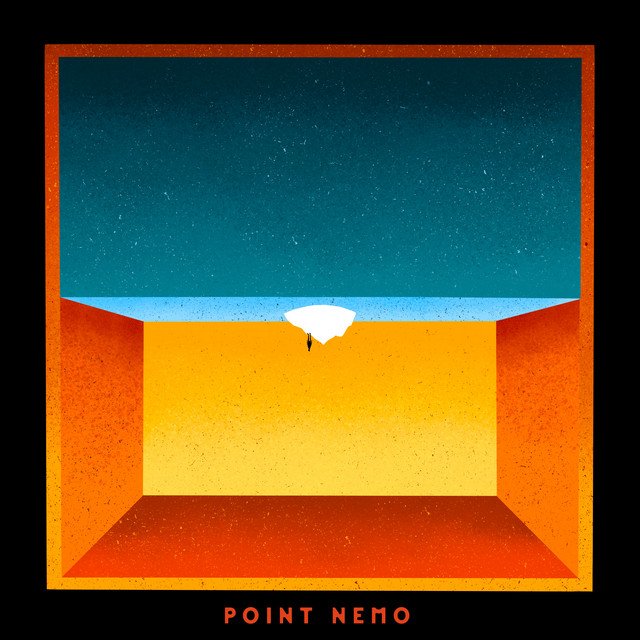
Point Nemo – TELLL
“Τον εκκωφαντικό ήχο της ησυχίας μέσα στο άπειρο έρχεται να σπάσει η μοναδική αυτή μελωδία. Μοιάζει σαν ένα ταξίδι του μυαλού μέσα στον χωροχρόνο που πλανάται χωρίς σκοπό και ταλανίζεται από τη νοσταλγία του παλιού και το πάθος για το άγνωστο. Όμως ο σίγουρος ρυθμός με σταθερά βήματα ανατρέπει την αγωνία και μαλακώνει την ψυχή, για να συνεχιστεί η ζωή.”
-Nagamag.com
Additional information/sources for TELLL – Point Nemo
Point Nemo: a tiny spot in the middle of the Pacific Ocean, somewhere between Chile and New Zealand, further from land than any other point on Earth. It takes over two weeks to reach it by ship. TELLL only travelled to Point Nemo in their imagination. Nevertheless, the result is an atmospheric, melancholic electro-pop song about the loneliest place on Earth.
Leo – Stefanos Kozanis
“В мире музыки, где каждый звук может стать откровением, композиция -Leo- от -Stefanos Kozanis- выделяется своей мелодичностью и красотой. Этот музыкальный неоклассический шедевр погружает слушателя в атмосферу глубокой и утонченной гармонии. Аранжировка захватывает своей нежной мелодией, которая словно танцует в воздухе, создавая ощущение легкости и свободы. ”
-Nagamag.com

Blocks – (LIVE LOOPING) – Doc Flux
“Very easy listening, soft vibe and atmosphere and a perfect jazz harmonic structure. Blissful piano theme in the and dreamy guitar riffs, that will put your mind at ease. Arrangement was good and nicely thought out with smooth and almost cinematic feeling, especially with saxophone solo part.”
-Nagamag.com
Expand to read review translations *
“Πολύ εύκολη ακρόαση, απαλή ατμόσφαιρα και ατμόσφαιρα και τέλεια αρμονική δομή τζαζ. Ευχάριστο θέμα πιάνου στα και ονειρικά riff της κιθάρας, που θα σας χαλαρώσουν. Η διασκευή ήταν καλή και καλά μελετημένη με απαλή και σχεδόν κινηματογραφική αίσθηση, ειδικά με σόλο μέρος του σαξόφωνου.”
-Nagamag.com
“Muy fácil de escuchar, vibra y atmósfera suaves y una estructura armónica de jazz perfecta. Un maravilloso tema de piano y riffs de guitarra de ensueño que te tranquilizarán. El arreglo fue bueno y bien pensado con una sensación suave y casi cinematográfica, especialmente con la parte solista de saxofón.”
-Nagamag.com
The original review of “Doc Flux – Blocks – (LIVE LOOPING)” is written in the native language that is spoken by the dedicated, for this song, Nagamag’s Jazz reviewer and followed by two translations*, of which the one depends from the country of origin of the artist “Doc Flux” (United Kingdom) and the other one is translated to a different language than original review and the country of origin of the artist.
* Automatically Translated
Nagamag unveils the mesmerizing composition “Blocks – (LIVE LOOPING)”, an extraordinary creation of harmony and creativity that “Doc Flux” offered to all of us. A Jazz song, which evoked an emotional voyage to our curator that desired to write down a unique review for “Doc Flux – Blocks – (LIVE LOOPING)”. What also sets this song among the featured choices of Nagamag is the way that “Blocks – (LIVE LOOPING)” is enriched with Electronica characteristics. “Doc Flux – Blocks – (LIVE LOOPING)” is a rich music creation that deserves to be listened to again and again. Nagamag is honored to share this detailed music review by one of our experienced reviewers for Jazz music compositions. As always, Nagamag keeps up evaluating Jazz songs from across the globe, ensuring that all Jazz enthusiasts around the world have access to these auditory treasures .
Jazz home page where “Doc Flux – Blocks – (LIVE LOOPING)” is hosted on Nagamag Music Magazine
Nagamag takes pride in supporting Jazz artists like “Doc Flux”, providing music reviews and music discoveries like “Blocks – (LIVE LOOPING)”.
This music post about song “Blocks – (LIVE LOOPING)” by “Doc Flux” is hosted in Jazz page on Nagamag.
There you can find similar Jazz artists to “Doc Flux” and more Jazz, Electronica songs like “Blocks – (LIVE LOOPING)” that have been carefully selected by Nagamag’s Jazz experienced curators and reviewed by Nagamag’s Jazz dedicated reviewers.
Learn everything about Jazz on Wikipedia
If you enjoyed “Doc Flux – Blocks – (LIVE LOOPING)” but you have never listened before to any other Jazz song or you are interested in learning more about Jazz music gerne then click here to visit Jazz music page on Wikipedia.
Jazz music refers to a distinct style with common characteristics. Each genre carries its unique sound, instruments, and cultural influences. For a deeper understanding of Jazz music, Wikipedia provides comprehensive insights into its history, notable artists, and iconic works. Delve into the diverse and dynamic world of Jazz music through this valuable resource, broadening your knowledge around Jazz genre.
Latest Jazz discoveries

Alex Hamberger – Freshly Beaten – Alex Hamberger Review | Jazz Discovery
In Freshly Beaten” by Alex Hamberger, the wonderfully refined melody immediately raises the level of enjoyment and becomes o... >>> Read full review & listen to the song on Nagamag #nujazz #nagamag #musicmagazine #musicreview #review
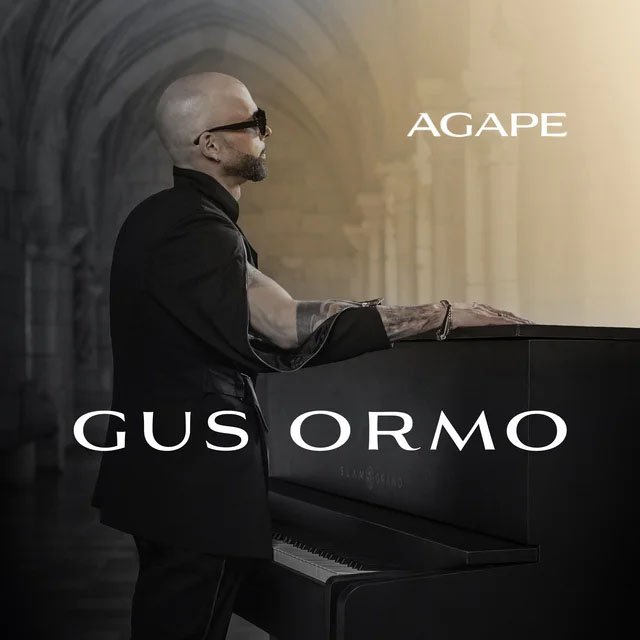
GUS ORMO – Claroscuro (APAPE) Review | Jazz Discovery
Claroscuro” by Gus Ormo unfolds with a nostalgic strength that gives us beautiful musical moments, allowing our emotions to ... >>> Read full review & listen to the song on Nagamag #jazz #nagamag #musicmagazine #musicreview #review

“Indian Summer Blue” by Tai Shan | Jazz Review
In this truly unique ballad, Indian Summer Blue” by Tai Shan, the wonderfully clear vocals carry us away so gently and magic... >>> Read full review & listen to the song on Nagamag #retrosoul #nagamag #musicmagazine #musicreview #review
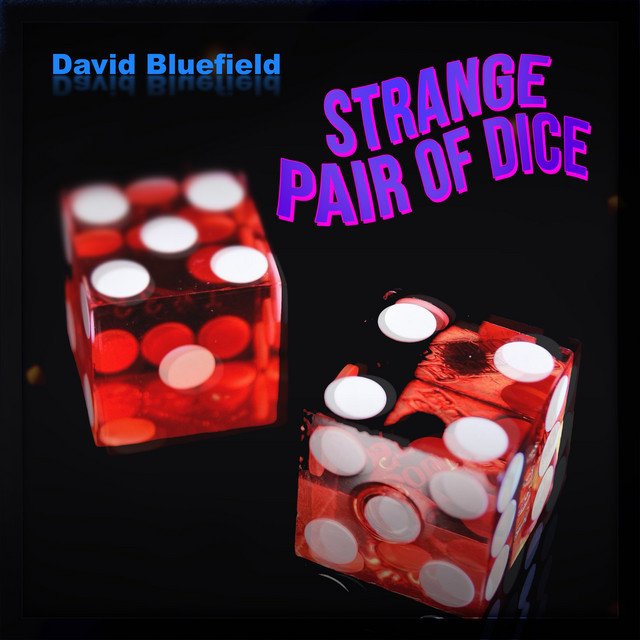
“David BluefieldStrange Pair of Dice” by David BluefieldStrange Pair of Dice | Jazz Review
Strange Pair of Dice” by David Bluefield offers a wonderfully refreshing melody that gently drives away the noise of the cit... >>> Read full review & listen to the song on Nagamag #jazz #nagamag #musicmagazine #musicreview #review
“Luciano CricelliGIROTONDO” by Luciano CricelliGIROTONDO | Jazz Review
The beautiful romantic melody of GIROTONDO” by Luciano Cricelli creates vivid, luminous images, while its playful character ... >>> Read full review & listen to the song on Nagamag #jazz #nagamag #musicmagazine #musicreview #review
Once We Knew – At Dawn | Jazz Review
The enchanting, fairy-like vocals in At Dawn” by Once We Knew wrap around us like a soft veil, carrying us into a romantic w... >>> Read full review & listen to the song on Nagamag #jazz #nagamag #musicmagazine #musicreview #review
Mabon Clarke Quartet – Once Called | Essential Jazz Review
In Once Called,” Mabon Clarke Quartet allows our thoughts to wander freely, taking us away from the noise and rush of everyd... >>> Read full review & listen to the song on Nagamag #jazz #nagamag #musicmagazine #musicreview #review
Love, BB – Those City Lights | Review
In Those City Lights” by Love, BB, the melody spreads through the air with passion and sensual elegance, slowly drawing us c... >>> Read full review & listen to the song on Nagamag #nujazz #nagamag #musicmagazine #musicreview #review

Jazz Review: Fault Line Trio – Smooth Landing
Quietly and delicately, Fault Line Trio’s Smooth Landing” creates a sensual atmosphere of relaxation, allowing the mind to d... >>> Read full review & listen to the song on Nagamag #jazzfusion #nagamag #musicmagazine #musicreview #review
Some Jazz subgenres
There are many subgenres of jazz, and the boundaries between them can be somewhat fluid. Here are a few of the most common subgenres of jazz:
Dixieland jazz: Also known as “traditional” or “New Orleans” jazz, this style is characterized by its use of collective improvisation and a strong rhythm section, featuring instruments such as the trumpet, trombone, and clarinet.
Swing: This style emerged in the 1930s and 1940s and is characterized by its use of a swinging rhythm and big band instrumentation. It was popularized by bands led by musicians such as Duke Ellington and Benny Goodman.
Bebop: This style emerged in the 1940s and is characterized by its fast tempo, complex chord progressions, and extensive use of improvisation. It was popularized by musicians such as Charlie Parker and Dizzy Gillespie.
Cool jazz: This style emerged in the 1950s and is characterized by its use of complex harmonies and a laid-back, relaxed approach to rhythm. It was popularized by musicians such as Miles Davis and Dave Brubeck.
Fusion: This style emerged in the 1970s and is characterized by its incorporation of elements from other genres of music, such as rock, funk, and world music. It was popularized by musicians such as John McLaughlin and Chick Corea.
Smooth jazz: This style emerged in the 1980s and is characterized by its use of electronic instrumentation and a focus on melody and groove. It was popularized by musicians such as George Benson and Grover Washington Jr.
Hard bop: This style emerged in the 1950s and is characterized by its use of blues and gospel influences and its incorporation of elements from bebop and swing. It was popularized by musicians such as Horace Silver and Art Blakey.
Free jazz: This style emerged in the 1960s and is characterized by its use of extended improvisation and a lack of strict chord progressions or other formal structures. It was popularized by musicians such as Ornette Coleman and John Coltrane.
Latin jazz: This style is characterized by its incorporation of Latin American rhythms and melodies, as well as its use of percussion instruments such as congas, timbales, and bongos. It was popularized by musicians such as Tito Puente and Cal Tjader.
Acid jazz: This style emerged in the 1980s and is characterized by its incorporation of elements from funk, soul, and hip hop, as well as its use of electronic instrumentation. It was popularized by musicians such as Brand New Heavies and Jamiroquai.
Jazz-rock: This style emerged in the 1970s and is characterized by its incorporation of elements from rock music and its use of electric instruments. It was popularized by musicians such as Mahavishnu Orchestra and Weather Report.
Jazz-funk: This style is characterized by its incorporation of elements from funk music and its use of electric instruments and groove-based rhythms. It was popularized by musicians such as James Brown and George Clinton.
As with any genre of music, these subgenres are just a few of the many that exist within the broader category of jazz. There are many other styles and variations within jazz.
The most used instruments in Jazz Music
There are many different instruments that are commonly used in jazz music, and the specific instruments used can vary depending on the style and context of the music. Here are a few of the most common instruments used in jazz:
Piano: The piano is a common instrument in jazz music and is often used to provide the harmonic foundation for the music. Jazz pianists may use a range of techniques, including comping (providing chordal accompaniment), soloing (performing a melodic solo), and improvising (creating music spontaneously).
Drums: The drums are an important part of the rhythm section in jazz music and are often used to create a swinging or groove-based feel. Jazz drummers may use a range of techniques, including various stick and cymbal patterns, to create complex rhythms and interactive interactions with other musicians.
Bass: The bass is another important part of the rhythm section in jazz music and is often used to provide the foundation for the music. Jazz bassists may use a range of techniques, including walking bass lines (a repeating pattern of notes played over the chord progression of a song) and soloing, to create a strong rhythmic and melodic foundation for the music.
Guitar: The guitar is often used in jazz music and can play a variety of roles, from providing chordal accompaniment to soloing. Jazz guitarists may use a range of techniques, including chord voicings (arrangements of notes in a chord), arpeggios (broken chords played one note at a time), and improvisation, to create complex and interesting musical textures.
Saxophone: The saxophone is a common instrument in jazz music and is often used to play melodies and improvise solos. Jazz saxophonists may use a range of techniques, including alternate fingerings, multiphonics (playing more than one pitch at a time), and circular breathing (a technique for continuous blowing), to create a wide range of sounds and textures.
Vocals: Vocals are often used in jazz music, and many jazz singers have made significant contributions to the genre. Jazz vocals can take many forms, ranging from scat singing (improvised vocalizations using nonsense syllables) to more traditional vocal styles such as singing with lyrics. Some famous jazz singers include Billie Holiday, Ella Fitzgerald, and Louis Armstrong, all of whom are known for their unique vocal styles and ability to improvise.
In addition to traditional vocals, many jazz musicians also use electronic effects and processing to manipulate their voices, creating a wide range of sounds and textures. Some jazz musicians, such as Bobby McFerrin and Gregory Porter, have made significant contributions to the genre using only their voices, without any accompanying instruments.
In jazz music, lyrics are often used in the same way as in other genres of music, to express emotions, tell a story, or convey a message. However, jazz lyrics may also be used to create a structure for improvisation or to provide a basis for scat singing, which is a form of vocal improvisation in which the singer uses nonsense syllables instead of actual words.
Jazz lyrics may also be more abstract and poetic than lyrics in other genres of music, and may use figurative language or symbolism to convey meaning. Jazz lyrics often reflect the social and cultural contexts in which the music was created, and may address themes such as love, loss, hope, and social or political issues.
Overall, vocals and the meaning of lyrics in jazz music depends on the context in which they are used and the intentions of the songwriter. They can be used to express emotions, tell a story, convey a message, or provide a structure for the music to follow.