
Neoclassical Music ⁞ New Releases⁞ Artist Interviews⁞ Music News
Introduction of Neoclassical Music
Neoclassical music is a style of classical music that is characterized by its use of traditional forms and styles, as well as a focus on structure and balance. It is often seen as a reaction against the romantic style of music, which was characterized by emotion and passion, and was influenced by the ideas of the Enlightenment, which valued reason and classical learning.
Some of the key features of neoclassical music include the use of traditional forms such as sonata form, the use of clear and concise melodies, and the incorporation of elements of folk music and popular music. Neoclassical music also often featured a return to tonality, which is the use of a specific key or tonal center in a piece of music.
The neoclassical style has had a lasting influence on classical music, and it continues to be an important part of the classical repertoire
Favorite Neoclassical Music on Spotify
Favorite Neoclassical Videos on Youtube
Recent Neoclassical Interviews
Neoclassical Features
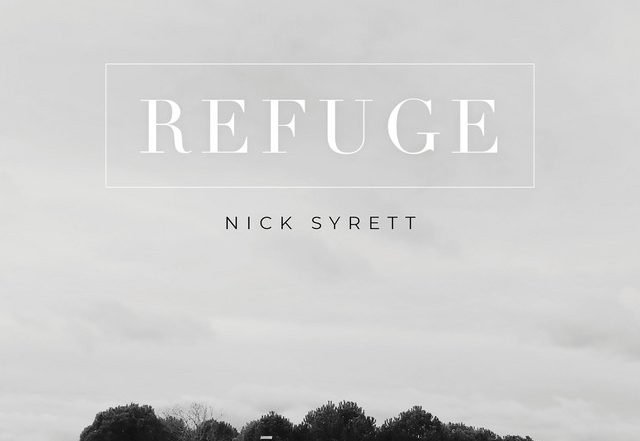
Nick Syrett – Refuge (Spotify)

Refuge by Nick Syrett in Forerunner Records, is a neo-classical solo piano emotive track which not rush to release its feelings, gently performed in dynamics provides to the listener a relaxing daydreaming experience.
Nick Syrett has been creating beautiful, ambient piano music for over a decade. His albums are a collection of meditative, neo-classical instrumentals featuring the soothing sounds of string ensembles, choirs, and more, all built around his spontaneous piano solos. Hailing from the UK, and now residing in Kansas City, Nick says, “During the recording of 'Refuge'–I often found my mind drawn to refugees in the Middle East, who were being forced from their homes and experiencing terrible suffering. My prayer is that these simple songs would touch hearts, restore souls, and help many to find healing and peace.”

Jan Ove Fjeld – Sky Divine (Spotify)

Sky Divine from Jan Ove Fjeld is an emotive piano pushing out nostalgic vibes bug with a positive flavor, like the thoughts of one who praise his old good moments yet sets plans for tomorrow.
Latest Neoclassical discoveries
Alex Klein x Rita Costanzi – Clair de Lune
Прекрасный пример идеальной современной классической музыки, в которой мелодия красиво гармонирует с вашей душой, ласково и с осторожностью покачивает вас на с... >>> Read more & listen to this song on Nagamag #neo #modernclassical #cinematic #epicmusic #alexklein #alexkleinxritacostanzi #unitedstates #nagamag #musicmagazine
Meg Blumberg – MARKS
Οι νότες του πιάνου πέφτουν σαν τις σταγόνες της βροχής στο έδαφος και μαλακώνουν το σκληρό έδαφος. Η μελωδία διαπερνά την ψυχή και της δίνει νόημα να συνεχίσε... >>> Read more & listen to this song on Nagamag #ambient #drone #neo #modernclassical #megblumberg #unitedstates #nagamag #musicmagazine IG: @megblumberg

THE BURGER TUNES – We Light the Way
Cinematic soundscape with this composition are pieces of art. From the harmonic structure to the instrument layering. It builds its universe very fast, you mig... >>> Read more & listen to this song on Nagamag #cinematic #epicmusic #theburgertunes #ireland #nagamag #musicmagazine IG: @epic.compositions

Zachary Bruno – Yasad
Some music can affect us in a more deep and unexpected way. Let's focus on a special Cinematic work of absolute acoustic harmony, balance and simplicity. In "Y... >>> Read more & listen to this song on Nagamag #ambient #drone #neo #modernclassical #christian #zacharybruno #unitedstates #nagamag #musicmagazine IG: @zacharyjbruno TW: @zacharybruno

Steyl – Unridden Way
Βγαίνοντας από το σκοτάδι έξω στο φως η μελωδία μου θυμίζει με την μελαγχολία της όσα πέρασαν και όσα άφησαν τα σημάδια τους πάνω μου. Σαν να θρηνεί για εμένα ... >>> Read more & listen to this song on Nagamag #neo #modernclassical #cinematic #epicmusic #steyl #switzerland #nagamag #musicmagazine IG: @steyl_music

Alexandra Stréliski – BORDERS
Постичь горизонт любви и понять, где она соприкасается с небесами. Там, где сужаются русла рек, воздух рано по утру пахнет росой, а крики удаляющихся птиц медл... >>> Read more & listen to this song on Nagamag #solopiano #neo #modernclassical #cinematic #epicmusic #alexandrastréliski #canada #nagamag #musicmagazine IG: @alexstreliski TW: @alexstreliski

J. Pheldt – In Das Kino
Beautiful and very emotional piano theme creates the basic structure of the track. Its themes and transitions are amazing. At moments feel melancholic than it ... >>> Read more & listen to this song on Nagamag #neo #modernclassical #jpheldt #unitedkingdom #nagamag #musicmagazine

Ros Gilman – Morning Dew
Ο ήλιος από ψηλά μας χαμογελά και μας υπόσχεται μια υπέροχη μέρα. Η μελωδία ήσυχη και απαλή έρχεται για να μας καθησυχάσει και να μας ηρεμήσει. Γλυκά απλώνει τ... >>> Read more & listen to this song on Nagamag #solopiano #neo #modernclassical #rosgilman #unitedkingdom #nagamag #musicmagazine TW: @rosgilman

Willem Claesen – Paulien
Τα βήματα του χορού άλλοτε ήσυχα και άλλοτε ζωηρά ακολουθούν την υπέροχη και χαρούμενη μελωδία. Νιώθουμε την μαγεία της αθωότητας της να κάνει τα πρόσωπα τόσο ... >>> Read more & listen to this song on Nagamag #solopiano #willemclaesen #belgium #nagamag #musicmagazine IG: @willemclaesen
Difference between Classical and Neoclassical Music
Classical music refers to a broad range of music written in the classical tradition, which encompasses a wide range of styles and forms. It is generally characterized by its formal structure and its use of traditional instruments and ensemble configurations.
Neoclassicism is a style of music that refers to the revival and use of classical forms and styles in music, particularly in the 18th and early 19th centuries. It is characterized by its use of clear, concise forms and a focus on structure and balance. Neoclassicism was a reaction against the romantic style of music, which was characterized by emotion and passion, and was influenced by the ideas of the Enlightenment, which valued reason and classical learning.
Some of the key differences between classical and neoclassical music include:
Time period: Classical music refers to music written during the classical period (1730-1820), while neoclassicism refers to music written after the classical period that incorporates elements of classical forms and styles.
Emphasis on structure: Classical music is known for its formal structure and the use of traditional forms such as the sonata and the symphony. Neoclassical music also places a strong emphasis on structure, but may also incorporate elements of popular music and folk music.
Emphasis on emotion: Classical music is often more reserved and formal in its emotional expression, while neoclassicism tends to be more emotional and expressive.
Use of tonality: Both classical and neoclassical music use tonality, but neoclassicism often incorporates a wider range of tonal structures and may experiment with atonality.
Use of traditional instruments: Both classical and neoclassical music use traditional classical instruments such as strings, woodwinds, brass, and percussion. However, neoclassicism may also incorporate elements of popular music and folk music, and may use a wider range of instruments.
Overall, the main difference between classical and neoclassical music is the time period in which the music was written, and the specific techniques and styles used by the composer. Classical music is generally more formal and reserved in its expression, while neoclassicism tends to be more expressive and may incorporate elements of popular music and folk music.
The most used instruments in Neoclassical Music
In neoclassical music, the most common instruments used are those found in the classical orchestra, including:
Strings: Violin, viola, cello, double bass
Woodwinds: Flute, oboe, clarinet, bassoon
Brass: Trumpet, French horn, trombone, tuba
Percussion: Timpani, snare drum, bass drum, cymbals, xylophone, marimba, triangle
Keyboard: Piano, harpsichord
These instruments are often used to create a wide range of textures and sounds, and are featured in many different types of classical music, including neoclassical music. In addition to these instruments, many composers also incorporate elements of popular music and folk music into their compositions, and may use a variety of other instruments such as guitars, bass, drums, and synthesizers.
It’s also worth noting that many composers and performers of neoclassical music are skilled in a variety of different instruments, and may switch between different instruments in order to achieve the desired sound and texture.
Vocals are sometimes used in neoclassical music, although they are not as common as instrumental music. When vocals are used in neoclassical music, they are typically performed by trained classical singers who have the ability to sing with precise pitch and control.
One common use of vocals in neoclassical music is in operatic compositions, where singers perform arias and recitatives in a style that is similar to traditional opera. Neoclassical opera is a subgenre of classical music that combines elements of traditional opera with elements of neoclassicism, and often incorporates elements of popular music and folk music.
In addition to operatic vocals, vocals may also be used in other forms of neoclassical music, such as choral music or vocal chamber music. Some composers may also incorporate elements of popular music or folk music into their compositions, and may use vocals in a more modern or experimental style.
It’s worth noting that the use of vocals in neoclassical music is highly dependent on the individual composer and the specific piece of music, and not all neoclassical compositions will feature vocals.