
Neoclassical Music ⁞ New Releases⁞ Artist Interviews⁞ Music News
Introduction of Neoclassical Music
Neoclassical music is a style of classical music that is characterized by its use of traditional forms and styles, as well as a focus on structure and balance. It is often seen as a reaction against the romantic style of music, which was characterized by emotion and passion, and was influenced by the ideas of the Enlightenment, which valued reason and classical learning.
Some of the key features of neoclassical music include the use of traditional forms such as sonata form, the use of clear and concise melodies, and the incorporation of elements of folk music and popular music. Neoclassical music also often featured a return to tonality, which is the use of a specific key or tonal center in a piece of music.
The neoclassical style has had a lasting influence on classical music, and it continues to be an important part of the classical repertoire
Favorite Neoclassical Music on Spotify
Favorite Neoclassical Videos on Youtube
Recent Neoclassical Interviews
Neoclassical Features

Moon Touch Music Johan Famaey Video María Cecilia Alguacil (Video)
“We dont know if John Famaey finally does a “Moon Touch” but certainly this goes far and deep, touching the heart! Starting emotive and soft, pushing you into an emotional diving and when you have set your self free, floating in his key harmonies, then it comes the passion on 01:40 and you explode like the birth of a new star. ”
-Nagamag.com
Belgian composer and pianist Johan Famaey performed and composed countless works with and for different ensembles in Europe and China. He has won the ‘Verdi Keurmerk’ and ‘Cantabile Piano’ composition contests in 2019.
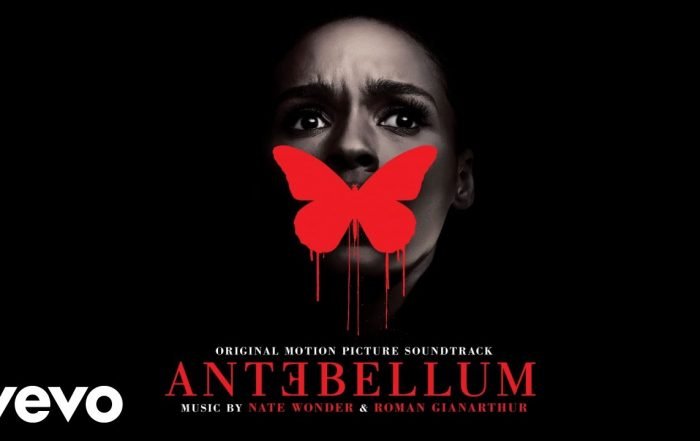
Nate Wonder, Roman GianArthur – Opening | Antebellum (Original Motion Picture Soundtrack) (Video)
“Does shadows can speak? and how they sound? This epic cinematic neoclassical theme translate their dark language in harmonies. A dark contemporary modern classical song.”
-Nagamag.com
Coinciding with the September 18th release of Lionsgate’s Antebellum, the motion picture starring Janelle Monáe, Milan Records will release Antebellum: Original Motion Picture Soundtrack, with music by Nate “Rocket” Wonder and Roman GianArthur. Best known for their work alongside Monáe on her albums and as part of her Wondaland Arts Society, it’s the first-ever score from the production duo, a Colin Stetson-esque work which combines dark, orchestral strings with contemporary textures and influences.
“Opening” is the first song from the score and film itself.
“Writing the score for Antebellum has been a rewarding adventure in creating a musical bed that compliments the script while becoming its own unique character and identity within the film. It was really wonderful to work with my brother on this, it was one of the most fulfilling experiences,” says Nate “Rocket” Wonder of the project, adding, “Working with Janelle Monáe has also been a pleasure as always. We’ve done this a few times before and every time it is a thrilling experience to work on such intriguing ideas. It’s been especially heart-warming to work on this feature, as it is the next step in the evolution of her emotional pictures.”
https://www.facebook.com/AntebellumFilm/
https://www.instagram.com/antebellumfilm/
https://twitter.com/antebellumfilm
Latest Neoclassical discoveries

Saah – Komorebi
Οι ηλιαχτίδες με κόπο προσπαθούν να μπουν στο δωμάτιο μου και να μου δείξουν πως άλλη μια όμορφη μέρα έχει έρθει. Η μελωδία με ξυπνά γλυκά και πασχίζει να διώξ... >>> Read more & listen to this song on Nagamag #solopiano #neo #modernclassical #saah #austria #nagamag #musicmagazine IG: @saahmusic
Chiko & Nors – Linen on Skin
Сердце в мгновении успокаивается, как только в него попадают первые ноты этой спокойной мелодии пиано. Хочется отвлечься от всех дел, сделать шаг к приоткрытом... >>> Read more & listen to this song on Nagamag #solopiano #chiko&nors #unitedstates #nagamag #musicmagazine IG: @chikoandnors
Måns Billner – Nebula feat. Isla Noir
Blissful vocal and beautiful piano theme opens this song in a wonderful way. Dreamy soundscapes expands that feeling further with the song progression. Cinemat... >>> Read more & listen to this song on Nagamag #neo #modernclassical #cinematic #epicmusic #månsbillner #sweden #nagamag #musicmagazine

Eamonn Watt – Building Blocks
-Eamonn Watt- сотворил по-настоящему высокоинтеллектуальную композицию, слушая которую решаешь бесконечный поток жизненных задач. Спокойная мелодия фортепиано ... >>> Read more & listen to this song on Nagamag #solopiano #eamonnwatt #unitedkingdom #nagamag #musicmagazine
Klaus Sahm – Sakna
Зеркально озеро, чьи песчаные берега тонут в его тёплых водах. Там, в самом сердце его спокойствия звучит мелодия -Klaus Sahm-, как настоящая элегия в мире нео... >>> Read more & listen to this song on Nagamag #solopiano #neo #modernclassical #klaussahm #germany #nagamag #musicmagazine IG: @klaussahm
Poltrock – Bray Dunes
Deep and very emotional composition. Its darker and melancholic tone makes it even more touching. Strings are arranged and composed in a beautiful way. The way... >>> Read more & listen to this song on Nagamag #ambient #neo #modernclassical #poltrock #belgium #nagamag #musicmagazine IG: @poltrockmusic

Gifts From Crows – A Secret Wish (To All That Is)
Cinematic composition that is full of classical influences at its core. Modern touch can be felt within the arrangement and instruments placing, with the way h... >>> Read more & listen to this song on Nagamag #neo #modernclassical #giftsfromcrows #unitedkingdom #nagamag #musicmagazine IG: @giftsfromcrows

Simeon Walker – Crave
Simeon Walker shares a gem of his forthcoming release and eventually a part of his own world. That is a Neoclassical piece made of pure piano and crystal clari... >>> Read more & listen to this song on Nagamag #neo #modernclassical #simeonwalker #unitedkingdom #nagamag #musicmagazine IG: @simeonwalkermusic TW: @SimeonWalker
Dirk Maassen – De Toujours
Красота этой неоклассической мелодии заставляет ваше сердце замереть на долю секунды, чтобы вы успели осознать, насколько она прекрасна, утончённая и похожа на... >>> Read more & listen to this song on Nagamag #solopiano #neo #modernclassical #crossoverclassical #dirkmaassen #germany #nagamag #musicmagazine
Difference between Classical and Neoclassical Music
Classical music refers to a broad range of music written in the classical tradition, which encompasses a wide range of styles and forms. It is generally characterized by its formal structure and its use of traditional instruments and ensemble configurations.
Neoclassicism is a style of music that refers to the revival and use of classical forms and styles in music, particularly in the 18th and early 19th centuries. It is characterized by its use of clear, concise forms and a focus on structure and balance. Neoclassicism was a reaction against the romantic style of music, which was characterized by emotion and passion, and was influenced by the ideas of the Enlightenment, which valued reason and classical learning.
Some of the key differences between classical and neoclassical music include:
Time period: Classical music refers to music written during the classical period (1730-1820), while neoclassicism refers to music written after the classical period that incorporates elements of classical forms and styles.
Emphasis on structure: Classical music is known for its formal structure and the use of traditional forms such as the sonata and the symphony. Neoclassical music also places a strong emphasis on structure, but may also incorporate elements of popular music and folk music.
Emphasis on emotion: Classical music is often more reserved and formal in its emotional expression, while neoclassicism tends to be more emotional and expressive.
Use of tonality: Both classical and neoclassical music use tonality, but neoclassicism often incorporates a wider range of tonal structures and may experiment with atonality.
Use of traditional instruments: Both classical and neoclassical music use traditional classical instruments such as strings, woodwinds, brass, and percussion. However, neoclassicism may also incorporate elements of popular music and folk music, and may use a wider range of instruments.
Overall, the main difference between classical and neoclassical music is the time period in which the music was written, and the specific techniques and styles used by the composer. Classical music is generally more formal and reserved in its expression, while neoclassicism tends to be more expressive and may incorporate elements of popular music and folk music.
The most used instruments in Neoclassical Music
In neoclassical music, the most common instruments used are those found in the classical orchestra, including:
Strings: Violin, viola, cello, double bass
Woodwinds: Flute, oboe, clarinet, bassoon
Brass: Trumpet, French horn, trombone, tuba
Percussion: Timpani, snare drum, bass drum, cymbals, xylophone, marimba, triangle
Keyboard: Piano, harpsichord
These instruments are often used to create a wide range of textures and sounds, and are featured in many different types of classical music, including neoclassical music. In addition to these instruments, many composers also incorporate elements of popular music and folk music into their compositions, and may use a variety of other instruments such as guitars, bass, drums, and synthesizers.
It’s also worth noting that many composers and performers of neoclassical music are skilled in a variety of different instruments, and may switch between different instruments in order to achieve the desired sound and texture.
Vocals are sometimes used in neoclassical music, although they are not as common as instrumental music. When vocals are used in neoclassical music, they are typically performed by trained classical singers who have the ability to sing with precise pitch and control.
One common use of vocals in neoclassical music is in operatic compositions, where singers perform arias and recitatives in a style that is similar to traditional opera. Neoclassical opera is a subgenre of classical music that combines elements of traditional opera with elements of neoclassicism, and often incorporates elements of popular music and folk music.
In addition to operatic vocals, vocals may also be used in other forms of neoclassical music, such as choral music or vocal chamber music. Some composers may also incorporate elements of popular music or folk music into their compositions, and may use vocals in a more modern or experimental style.
It’s worth noting that the use of vocals in neoclassical music is highly dependent on the individual composer and the specific piece of music, and not all neoclassical compositions will feature vocals.