
Neoclassical Music ⁞ New Releases⁞ Artist Interviews⁞ Music News
Introduction of Neoclassical Music
Neoclassical music is a style of classical music that is characterized by its use of traditional forms and styles, as well as a focus on structure and balance. It is often seen as a reaction against the romantic style of music, which was characterized by emotion and passion, and was influenced by the ideas of the Enlightenment, which valued reason and classical learning.
Some of the key features of neoclassical music include the use of traditional forms such as sonata form, the use of clear and concise melodies, and the incorporation of elements of folk music and popular music. Neoclassical music also often featured a return to tonality, which is the use of a specific key or tonal center in a piece of music.
The neoclassical style has had a lasting influence on classical music, and it continues to be an important part of the classical repertoire
Favorite Neoclassical Music on Spotify
Favorite Neoclassical Videos on Youtube
Recent Neoclassical Interviews
Neoclassical Features

Felix Räuber – Between the Lines
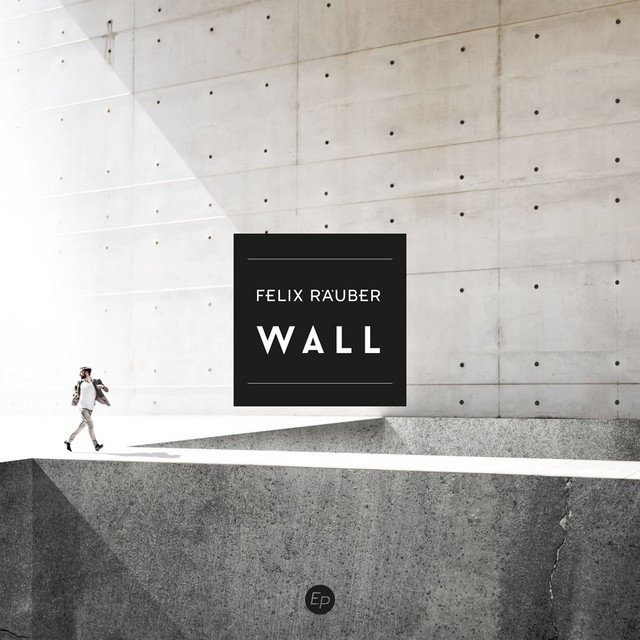
“Its grand in so many ways. It builds emotion and captures our heart waiting for the next step. Like wide open spaces on distant beaches during sunrise, it leaves a imprint in ones soul. We loved the build up really engaging from many angles. ”
-Nagamag.com
This beautiful instrumental is part of EP "WALL".

Gifts From Crows – A Resolution (Strings) (Spotify)
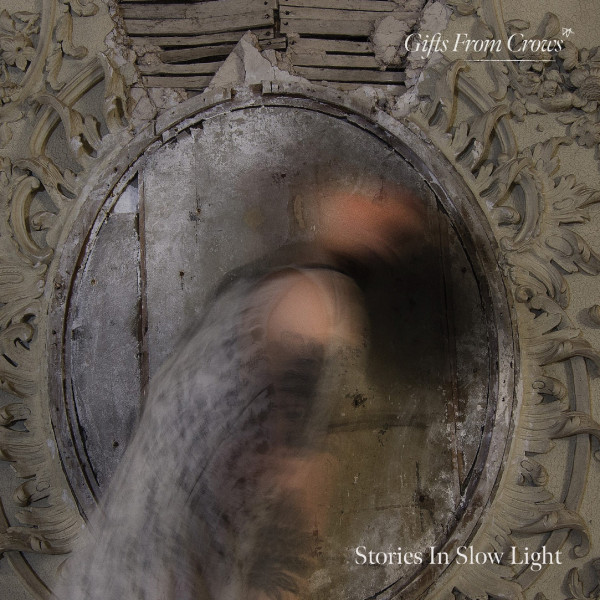
“Richard Laurence approach to Epic Music is quite advanced and worths listening. This time, the british artist has worked with a photographer and his new sound is inspired by images. Don't miss those deep, slightly melancholic and heartwarming melodies! ”
-Nagamag.com
This is the feature track new album ‘Stories in Slow Light. It was inspired by a photograph taken by Helena Whitten.
Listen full album here:
https://open.spotify.com/album/0aavOD3EqPy6r6CwobHur1
The piece was recorded at Swallow Studios in Smallwood and features members of the string section of the Northern Film Orchestra.
https://www.instagram.com/giftsfromcrows/
Latest Neoclassical discoveries
Kenneth Thompkins – Moments for Alto Trombone and Harp: ll. Vocalise | Neoclassical music review
-Kenneth Thompkins- даёт нам возможность осознать, что музыка может творить настоящие чудеса с нашей душой. Его новая компози... >>> Read full review & listen to the song on Nagamag #neo #modernclassical #kenneththompkins #unitedstates #nagamag #musicmagazine #musicreview #review
Magnus John Anderson – Reverie | Neoclassical music review
For the fans of classical sound, a special creation is ready to reach the deepest side of every soul. Artistic sensitivity an... >>> Read full review & listen to the song on Nagamag #solopiano #neo #modernclassical #magnusjohnanderson #sweden #nagamag #musicmagazine #musicreview #review FB: @magnusjohnanderson IG: @_m_j_a_n_d_e_r_s_o_n

Izzy Flynn – Penguinifur | Neoclassical music review
The way the different melodies and harmonic lines flow together seamlessly offer up a decadence of grace that can be experien... >>> Read full review & listen to the song on Nagamag #neo #modernclassical #izzyflynn #unitedkingdom #nagamag #musicmagazine #musicreview #review FB: @izzyflynnmusic
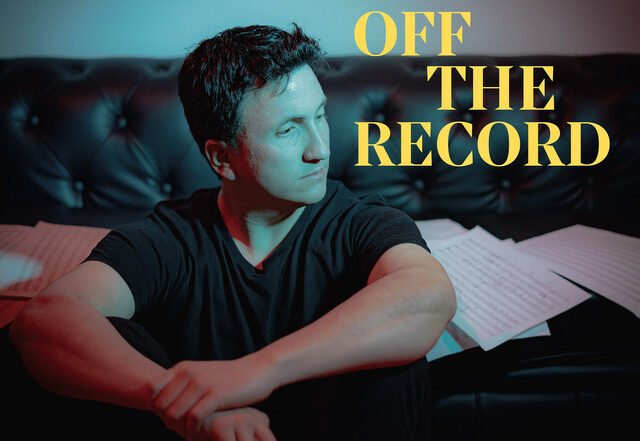
José Javier Delgado – Nuit Blue – instrumental | Neoclassical music review
Pieces like these are more like dessert for thought. Relaxing piano themes that flows with its tempo and harmonic structure s... >>> Read full review & listen to the song on Nagamag #piano #cinematic #nagamag #musicmagazine #musicreview #review

Bas Dielissen – Nezlaminst | Neoclassical music review
Красивая, драматичная и эмоциональная композиция от -Bas Dielissen-, привлекающая внимание своей чувственной мелодией. Мелоди... >>> Read full review & listen to the song on Nagamag #piano #nagamag #musicmagazine #musicreview #review IG: @_basdielissen_

Alfredo Musollino – Identity | Neoclassical music review
Волнующая душу композиция, которая отправляет слушателя в завораживающее путешествие самопознания. В этом запоминающемся прои... >>> Read full review & listen to the song on Nagamag #piano #nagamag #musicmagazine #musicreview #review
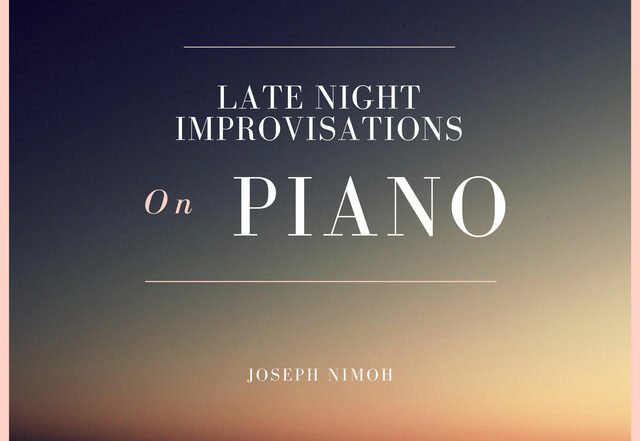
Joseph Nimoh – Extravagant Grace | Neoclassical music review
Με την παρέα του εκπληκτικού πιάνου και την μελωδία που απλόχερα μας μοιράζει νότες απολαυστικές και μοναδικές ζούμε την απόλ... >>> Read full review & listen to the song on Nagamag #piano #nagamag #musicmagazine #musicreview #review FB: @josephnimohmusic TW: @jnimohsolopiano
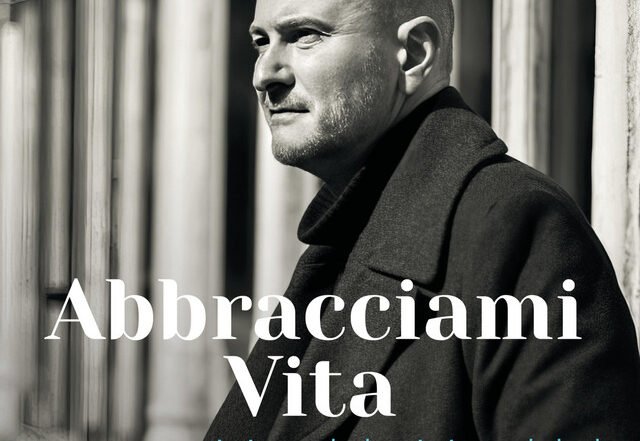
Enzo Gallo, Maurizio Marchini – Abbracciami, Vita | Neoclassical music review
Τι να πρωτοπεί κανείς για αυτή την υπέροχη φωνή. Επιβλητική και σχεδόν θεϊκή διαπερνά όλες τις αισθήσεις και προκαλεί ανατριχ... >>> Read full review & listen to the song on Nagamag #opera #cinematic #nagamag #musicmagazine #musicreview #review
Mirko Mica – Together | Neoclassical music review
Οι υπέροχες νότες του πιάνου απλώνουν ένα πέπλο αγάπης και φροντίδας και η ατμόσφαιρα γίνεται νοσταλγική. Η μελωδία σαν να σπ... >>> Read full review & listen to the song on Nagamag #solopiano #classicalstrings #mirkomica #italy #nagamag #musicmagazine #musicreview #review FB: @MirkoMica.PianoComposer TT: @@mirkomica
Difference between Classical and Neoclassical Music
Classical music refers to a broad range of music written in the classical tradition, which encompasses a wide range of styles and forms. It is generally characterized by its formal structure and its use of traditional instruments and ensemble configurations.
Neoclassicism is a style of music that refers to the revival and use of classical forms and styles in music, particularly in the 18th and early 19th centuries. It is characterized by its use of clear, concise forms and a focus on structure and balance. Neoclassicism was a reaction against the romantic style of music, which was characterized by emotion and passion, and was influenced by the ideas of the Enlightenment, which valued reason and classical learning.
Some of the key differences between classical and neoclassical music include:
Time period: Classical music refers to music written during the classical period (1730-1820), while neoclassicism refers to music written after the classical period that incorporates elements of classical forms and styles.
Emphasis on structure: Classical music is known for its formal structure and the use of traditional forms such as the sonata and the symphony. Neoclassical music also places a strong emphasis on structure, but may also incorporate elements of popular music and folk music.
Emphasis on emotion: Classical music is often more reserved and formal in its emotional expression, while neoclassicism tends to be more emotional and expressive.
Use of tonality: Both classical and neoclassical music use tonality, but neoclassicism often incorporates a wider range of tonal structures and may experiment with atonality.
Use of traditional instruments: Both classical and neoclassical music use traditional classical instruments such as strings, woodwinds, brass, and percussion. However, neoclassicism may also incorporate elements of popular music and folk music, and may use a wider range of instruments.
Overall, the main difference between classical and neoclassical music is the time period in which the music was written, and the specific techniques and styles used by the composer. Classical music is generally more formal and reserved in its expression, while neoclassicism tends to be more expressive and may incorporate elements of popular music and folk music.
The most used instruments in Neoclassical Music
In neoclassical music, the most common instruments used are those found in the classical orchestra, including:
Strings: Violin, viola, cello, double bass
Woodwinds: Flute, oboe, clarinet, bassoon
Brass: Trumpet, French horn, trombone, tuba
Percussion: Timpani, snare drum, bass drum, cymbals, xylophone, marimba, triangle
Keyboard: Piano, harpsichord
These instruments are often used to create a wide range of textures and sounds, and are featured in many different types of classical music, including neoclassical music. In addition to these instruments, many composers also incorporate elements of popular music and folk music into their compositions, and may use a variety of other instruments such as guitars, bass, drums, and synthesizers.
It’s also worth noting that many composers and performers of neoclassical music are skilled in a variety of different instruments, and may switch between different instruments in order to achieve the desired sound and texture.
Vocals are sometimes used in neoclassical music, although they are not as common as instrumental music. When vocals are used in neoclassical music, they are typically performed by trained classical singers who have the ability to sing with precise pitch and control.
One common use of vocals in neoclassical music is in operatic compositions, where singers perform arias and recitatives in a style that is similar to traditional opera. Neoclassical opera is a subgenre of classical music that combines elements of traditional opera with elements of neoclassicism, and often incorporates elements of popular music and folk music.
In addition to operatic vocals, vocals may also be used in other forms of neoclassical music, such as choral music or vocal chamber music. Some composers may also incorporate elements of popular music or folk music into their compositions, and may use vocals in a more modern or experimental style.
It’s worth noting that the use of vocals in neoclassical music is highly dependent on the individual composer and the specific piece of music, and not all neoclassical compositions will feature vocals.