
Jazz Music ⁞ New Releases⁞ Artist Interviews⁞ Music News
Introduction of Jazz Music
Jazz is a genre of music that originated in the African-American communities of New Orleans, United States, in the late 19th and early 20th centuries. It is characterized by its use of improvisation, complex harmonic structures, and a wide range of musical influences, including blues, gospel, and European classical music. Jazz is known for its swing rhythm, which is created by the use of syncopated rhythms and a strong pulse. It is often played by small ensembles, such as a quintet or sextet, and is known for its ability to adapt to a wide range of musical contexts and styles. Jazz has had a significant influence on many other genres of music, and has been an important part of the cultural fabric of the United States and the rest of the world for more than a century.
Jazz by Nagamag Playlist on Spotify
Recent Jazz Interviews
Jazz Featured Releases

Jacob Roved, Sami Linna, George Kontrafouris – This I Dig of You
“Αισθησιακή και επιβλητική μελωδία με ευχάριστο χαρακτήρα. Με το ιδιαίτερο και ξεχωριστό στυλ της εντυπωσιάζει και προσφέρει απόλαυση και διασκέδαση ενώ παράλληλα χαλαρώνει το μυαλό και τις αισθήσεις. Με τον ζωηρό ρυθμό της δίνει ενέργεια και ζωντάνια και σε καμιά περίπτωση δεν μπορείς να βαρεθείς μαζί του, καθώς οι πλούσιε εναλλαγές του πάντα εκπλήσσουν.”
“Sensual and imposing melody with a pleasant character. With its unique and distinctive style it impresses and offers enjoyment and fun while relaxing the mind and senses. At its lively pace it gives energy and vibrancy and in no way can you get bored with it, as its rich alternations always surprise.” *
“Sensuel og imponerende melodi med en behagelig karakter. Med sin unikke og karakteristiske stil imponerer det og giver glæde og sjov, mens man slapper af sindet og sanser. I det livlige tempo giver det energi og livlighed, og på ingen måde kan du kede dig med det, da dens rige skifte altid overrasker.” *
-Nagamag.com
The song “Jacob Roved, Sami Linna, George Kontrafouris – This I Dig of You” is released by AMP Music & Records
Song Sources for “Jacob Roved, Sami Linna, George Kontrafouris – This I Dig of You”:
Spotify: https://open.spotify.com/track/659rTt5MU8cR62STnpbZ92
Youtube: https://www.youtube.com/watch?v=nmfsIEPTUXc
Apple Music: https://music.apple.com/us/album/this-i-dig-of-you/1670627904?i=1670627919
Deezer: https://www.deezer.com/track/2141571467

GoGo Penguin – Friday Film Special
“Πραγματικά μια φανταστική μελωδία με αισθητική επιπέδου και εκλεπτυσμένη διάθεση. Μας ενθουσιάζει σαν ένα ευχάριστο πρωινό ξύπνημα ή μια απρόσμενη έκπληξη. Πραγματικά κερδίζει τις εντυπώσεις με το γοητευτικά ανήσυχο ύφος της. Ο ρυθμός δεν σταματά να μας κρατά σε μια ισορροπία παρόλο τον ορμητικό του χαρακτήρα.”
“Really a fantastic melody with aesthetic aesthetic and sophisticated mood. We are thrilled as a pleasant morning awakening or an unexpected surprise. It really gains impressions with its charming restless style. The rhythm does not stop keeping us in a balance despite its rushing character.” *
“Really a fantastic melody with aesthetic aesthetic and sophisticated mood. We are thrilled as a pleasant morning awakening or an unexpected surprise. It really gains impressions with its charming restless style. The rhythm does not stop keeping us in a balance despite its rushing character.” *
-Nagamag.com
Song Sources for “GoGo Penguin – Friday Film Special”:
Spotify: https://open.spotify.com/track/0lqR8aeTHqvcZwVDBH3kaJ
Youtube: https://www.youtube.com/watch?v=LMtfMrG8Ew0
Deezer: https://www.deezer.com/track/2147309627
Find GoGo Penguin on Socials:
Instagram: https://www.instagram.com/gogo_penguin/
Twitter: https://twitter.com/GoGo_Penguin

Omoghéné – Already Mine
“Ο διασκεδαστικός ρυθμός δεν αφήνει περιθώρια για πλήξη .Ζωηρός και κεφάτος δίνει νέα διάσταση στη μέρα. Τα φωνητικά με την καθαρή χροιά τους και τα πλούσια ανεβάσματα μας εκπλήσσουν και μας αναζωογονούν. Η μελωδία δεν σταματά να μας διασκεδάζει και να μας μεταδίδει της λάμψη της κάνοντας μας πιο αισιόδοξους και θετικούς.”
“The fun pace leaves no room for boredom. Life and cheerful gives a new dimension to the day. The vocals with their pure complexion and rich uploads surprise us and rejuvenate us. The melody does not stop us from having fun and conveying us its shine by making us more optimistic and positive.” *
“The fun pace leaves no room for boredom. Life and cheerful gives a new dimension to the day. The vocals with their pure complexion and rich uploads surprise us and rejuvenate us. The melody does not stop us from having fun and conveying us its shine by making us more optimistic and positive.” *
-Nagamag.com
Song Sources for “Omoghéné – Already Mine”:
Spotify: https://open.spotify.com/track/2opV05euTzzNtkA2gT8iXb
Find Omoghéné on Socials:
Instagram: https://www.instagram.com/_omoghene/
Twitter: https://twitter.com/_omoghene
Website of Omoghéné:
https://www.omoghene.com/
Latest Jazz discoveries
Single Review: A.M. Owl – Mind Funk | Listen to Jazz
Με το ευχάριστο και κεφάτο ύφος του κομματιού, μια άκρως διασκεδαστική γιορτή ξεκινά. Μελωδίες που εναλλάσσονται και ρυθμός γ... >>> Read full review & listen to the song on Nagamag #funk #amowl #unitedstates #nagamag #musicmagazine #musicreview #review
Composition Critique: “Blues for Bass” by Per Thornberg | Jazz Review
Το κέφι και η ζωντάνια συναντιούνται μέσα από αυτή την εξαιρετική μελωδία και η αδρεναλίνη μας ανεβαίνει. Με εκλεπτυσμένη και... >>> Read full review & listen to the song on Nagamag #blues #perthornberg #sweden #nagamag #musicmagazine #musicreview #review

Song Review: “Space and Time” by Tom Petrone | Jazz Essential
Με την εξαιρετικά επιδέξια μελωδία και το ταμπεραμέντο της, απολαμβάνουμε ένα πραγματικά μοναδικό μουσικό ταξίδι. Τα φωνητικά... >>> Read full review & listen to the song on Nagamag #blues #tompetrone #unitedstates #nagamag #musicmagazine #musicreview #review
Single Review: Raw Stylus – When The Morning Comes | Listen to Jazz
Η εκλεπτυσμένη και ευχάριστη μελωδία γεμίζει τη μέρα μας με φως και, κάτω από τον λαμπερό ήλιο, νιώθουμε πως έχουμε όσα επιθυ... >>> Read full review & listen to the song on Nagamag #funk #rawstylus #unitedkingdom #nagamag #musicmagazine #musicreview #review

Tim Vermeulen Quartet – Lullaby Review | Jazz Discovery
Οι μαγικές νότες της μελωδίας αγαλιάζουν την ψυχή μας και η γοητευτική αγωνία τους μας κρατά συγκεντρωμένους. Η ηλεκτρική κιθ... >>> Read full review & listen to the song on Nagamag #nujazz #jazztronica #timvermeulenquartet #belgium #nagamag #musicmagazine #musicreview #review

Release Critique: Greg Coulson – Thirty Eight | Jazz Review
Η μελωδία μας υπόσχεται πολλά με την εντυπωσιακή της εισαγωγή και σίγουρα δεν μας απογοητεύει στη συνέχεια. Η ένταση και το π... >>> Read full review & listen to the song on Nagamag #blues #retrosoul #gregcoulson #unitedkingdom #nagamag #musicmagazine #musicreview #review

Fresh Find Review: Ralph Champagne Revue – Drinking Up Christmas | Jazz Discovery
Οι πρώτες νυφάδες του χιονιού έχουν αρχίσει να πέφτουν και οι γιορτές πλησιάζουν. Η ζεστασιά των χαρούμενων και κεφάτων φωνητ... >>> Read full review & listen to the song on Nagamag #jazz #poppunk #ralphchampagnerevue #unitedstates #nagamag #musicmagazine #musicreview #review
Jazz Review: “Alfred’s Chase” by David Bluefield
Με κέφι και ζωντάνια η μελωδία μάς υποδέχεται και ανοίγει διάπλατα την πόρτα της διασκέδασης για εμάς. Ο ευχάριστος και γρήγο... >>> Read full review & listen to the song on Nagamag #jazzfusion #davidbluefield #unitedstates #nagamag #musicmagazine #musicreview #review
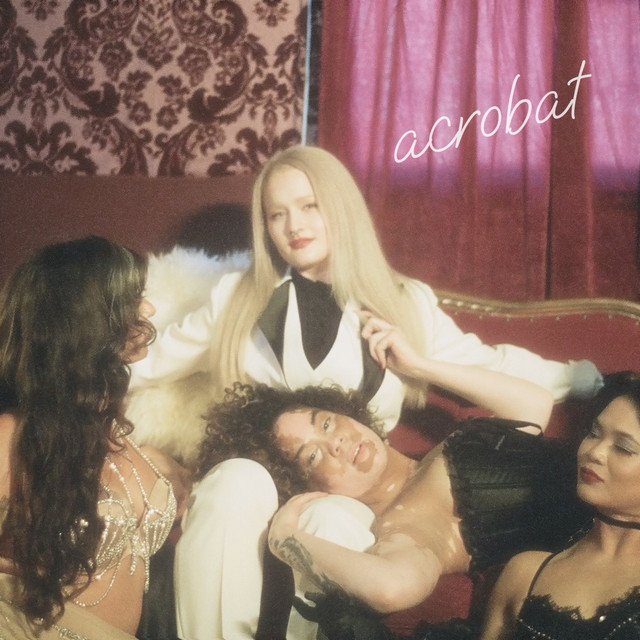
Release Review: Samantha Leah – Acrobat | Jazz
Η ωραία, παθιασμένη μελωδία δημιουργεί μια υπέροχη, αισθησιακή ατμόσφαιρα. Τα φωνητικά, με την αιθέρια αλλά δυναμική χροιά το... >>> Read full review & listen to the song on Nagamag #jazz #retrosoul #samanthaleah #unitedstates #nagamag #musicmagazine #musicreview #review
Some Jazz subgenres
There are many subgenres of jazz, and the boundaries between them can be somewhat fluid. Here are a few of the most common subgenres of jazz:
Dixieland jazz: Also known as “traditional” or “New Orleans” jazz, this style is characterized by its use of collective improvisation and a strong rhythm section, featuring instruments such as the trumpet, trombone, and clarinet.
Swing: This style emerged in the 1930s and 1940s and is characterized by its use of a swinging rhythm and big band instrumentation. It was popularized by bands led by musicians such as Duke Ellington and Benny Goodman.
Bebop: This style emerged in the 1940s and is characterized by its fast tempo, complex chord progressions, and extensive use of improvisation. It was popularized by musicians such as Charlie Parker and Dizzy Gillespie.
Cool jazz: This style emerged in the 1950s and is characterized by its use of complex harmonies and a laid-back, relaxed approach to rhythm. It was popularized by musicians such as Miles Davis and Dave Brubeck.
Fusion: This style emerged in the 1970s and is characterized by its incorporation of elements from other genres of music, such as rock, funk, and world music. It was popularized by musicians such as John McLaughlin and Chick Corea.
Smooth jazz: This style emerged in the 1980s and is characterized by its use of electronic instrumentation and a focus on melody and groove. It was popularized by musicians such as George Benson and Grover Washington Jr.
Hard bop: This style emerged in the 1950s and is characterized by its use of blues and gospel influences and its incorporation of elements from bebop and swing. It was popularized by musicians such as Horace Silver and Art Blakey.
Free jazz: This style emerged in the 1960s and is characterized by its use of extended improvisation and a lack of strict chord progressions or other formal structures. It was popularized by musicians such as Ornette Coleman and John Coltrane.
Latin jazz: This style is characterized by its incorporation of Latin American rhythms and melodies, as well as its use of percussion instruments such as congas, timbales, and bongos. It was popularized by musicians such as Tito Puente and Cal Tjader.
Acid jazz: This style emerged in the 1980s and is characterized by its incorporation of elements from funk, soul, and hip hop, as well as its use of electronic instrumentation. It was popularized by musicians such as Brand New Heavies and Jamiroquai.
Jazz-rock: This style emerged in the 1970s and is characterized by its incorporation of elements from rock music and its use of electric instruments. It was popularized by musicians such as Mahavishnu Orchestra and Weather Report.
Jazz-funk: This style is characterized by its incorporation of elements from funk music and its use of electric instruments and groove-based rhythms. It was popularized by musicians such as James Brown and George Clinton.
As with any genre of music, these subgenres are just a few of the many that exist within the broader category of jazz. There are many other styles and variations within jazz.
The most used instruments in Jazz Music
There are many different instruments that are commonly used in jazz music, and the specific instruments used can vary depending on the style and context of the music. Here are a few of the most common instruments used in jazz:
Piano: The piano is a common instrument in jazz music and is often used to provide the harmonic foundation for the music. Jazz pianists may use a range of techniques, including comping (providing chordal accompaniment), soloing (performing a melodic solo), and improvising (creating music spontaneously).
Drums: The drums are an important part of the rhythm section in jazz music and are often used to create a swinging or groove-based feel. Jazz drummers may use a range of techniques, including various stick and cymbal patterns, to create complex rhythms and interactive interactions with other musicians.
Bass: The bass is another important part of the rhythm section in jazz music and is often used to provide the foundation for the music. Jazz bassists may use a range of techniques, including walking bass lines (a repeating pattern of notes played over the chord progression of a song) and soloing, to create a strong rhythmic and melodic foundation for the music.
Guitar: The guitar is often used in jazz music and can play a variety of roles, from providing chordal accompaniment to soloing. Jazz guitarists may use a range of techniques, including chord voicings (arrangements of notes in a chord), arpeggios (broken chords played one note at a time), and improvisation, to create complex and interesting musical textures.
Saxophone: The saxophone is a common instrument in jazz music and is often used to play melodies and improvise solos. Jazz saxophonists may use a range of techniques, including alternate fingerings, multiphonics (playing more than one pitch at a time), and circular breathing (a technique for continuous blowing), to create a wide range of sounds and textures.
Vocals: Vocals are often used in jazz music, and many jazz singers have made significant contributions to the genre. Jazz vocals can take many forms, ranging from scat singing (improvised vocalizations using nonsense syllables) to more traditional vocal styles such as singing with lyrics. Some famous jazz singers include Billie Holiday, Ella Fitzgerald, and Louis Armstrong, all of whom are known for their unique vocal styles and ability to improvise.
In addition to traditional vocals, many jazz musicians also use electronic effects and processing to manipulate their voices, creating a wide range of sounds and textures. Some jazz musicians, such as Bobby McFerrin and Gregory Porter, have made significant contributions to the genre using only their voices, without any accompanying instruments.
In jazz music, lyrics are often used in the same way as in other genres of music, to express emotions, tell a story, or convey a message. However, jazz lyrics may also be used to create a structure for improvisation or to provide a basis for scat singing, which is a form of vocal improvisation in which the singer uses nonsense syllables instead of actual words.
Jazz lyrics may also be more abstract and poetic than lyrics in other genres of music, and may use figurative language or symbolism to convey meaning. Jazz lyrics often reflect the social and cultural contexts in which the music was created, and may address themes such as love, loss, hope, and social or political issues.
Overall, vocals and the meaning of lyrics in jazz music depends on the context in which they are used and the intentions of the songwriter. They can be used to express emotions, tell a story, convey a message, or provide a structure for the music to follow.