
Jazz Music ⁞ New Releases⁞ Artist Interviews⁞ Music News
Introduction of Jazz Music
Jazz is a genre of music that originated in the African-American communities of New Orleans, United States, in the late 19th and early 20th centuries. It is characterized by its use of improvisation, complex harmonic structures, and a wide range of musical influences, including blues, gospel, and European classical music. Jazz is known for its swing rhythm, which is created by the use of syncopated rhythms and a strong pulse. It is often played by small ensembles, such as a quintet or sextet, and is known for its ability to adapt to a wide range of musical contexts and styles. Jazz has had a significant influence on many other genres of music, and has been an important part of the cultural fabric of the United States and the rest of the world for more than a century.
Jazz by Nagamag Playlist on Spotify
Recent Jazz Interviews
Jazz Featured Releases

Adbeel x AGX12 – Journey
“Very relaxing track and full of easy listening sounds. Themes and harmonies are beautiful, full of emotion and melancholic feelings that are oscillating from sad moments to a hopeful ones. Smooth groove is very subtle, just keeping the tracks flow into the right direction, expanding the wonderful soundscapes. ”
“Πολύ χαλαρωτικό κομμάτι και γεμάτο εύκολους ήχους ακρόασης. Τα θέματα και οι αρμονίες είναι όμορφα, γεμάτα συναισθήματα και μελαγχολικά συναισθήματα που ταλαντεύονται από θλιβερές στιγμές σε μια ελπιδοφόρα. Η ομαλή αυλάκωση είναι πολύ λεπτή, απλά διατηρώντας τις διαδρομές να ρέουν προς τη σωστή κατεύθυνση, επεκτείνοντας τα υπέροχα ηχητικά τοπία.” *
“Pista muy relajante y llena de sonidos de escucha fáciles. Los temas y las armonías son hermosos, llenos de emociones y sentimientos melancólicos que oscilan de momentos tristes a los esperanzadores. Smooth Groove es muy sutil, solo mantiene las pistas que fluyen en la dirección correcta, expandiendo los maravillosos paisajes sonoros.” *
-Nagamag.com
The song “Adbeel x AGX12 – Journey” is released by Chill Space Records
Track Sources for “Adbeel x AGX12 – Journey”:
Spotify: https://open.spotify.com/track/7vb0fMORmdnqevNwZkMPgh
Youtube: https://www.youtube.com/watch?v=OHHOp6nCvHc
Apple Music: https://music.apple.com/us/album/journey/1656614949?i=1656614950
Deezer: https://www.deezer.com/track/2041746427
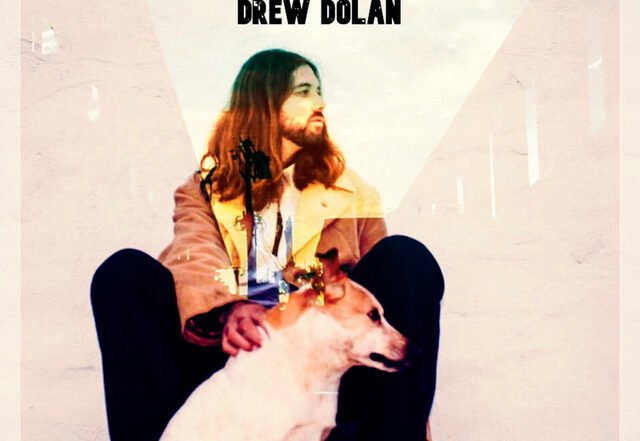
Drew Dolan – I’m Goin’ Back
“Представьте себя прогуливающемся по улицам своего родного города. Вас не отвлекает шум проезжающих мимо машин, томные и бесконечные разговоры прохожих, а все светофоры показывают зелёный свет. И всё потому, что у вас в наушниках играет новый R&B трек -Drew Dolan-. Тёплая атмосфера Retro Soul, помятые джинсы и недопитая чашка кофе в руках. Сегодня ваш день!”
“Imagine yourself walking through the streets of your hometown. You are not distracted by the noise of cars passing by, languid and endless conversations of passers -by, and all traffic lights show green light. And all because you have a new R&B track -drew dolan- in your headphones. The warm atmosphere of Retro Soul, rumpled jeans and an under -bowing cup of coffee in the hands. Today is your day!” *
“Φανταστείτε τον εαυτό σας περπατώντας στους δρόμους της πατρίδας σας. Δεν είστε αποσπασμένοι από το θόρυβο των αυτοκινήτων που περνούν, χαλαρές και ατελείωτες συνομιλίες των περαστικών -από και όλα τα φανάρια δείχνουν πράσινο φως. Και όλα επειδή έχετε ένα νέο κομμάτι R & B -Drew Dolan- στα ακουστικά σας. Η ζεστή ατμόσφαιρα της ρετρό ψυχής, τα τζιν και ένα φλιτζάνι καφέ στα χέρια. Σήμερα είναι η μέρα σου!” *
-Nagamag.com
Track Sources for “Drew Dolan – I’m Goin’ Back”:
Spotify: https://open.spotify.com/track/6T8EOgnc9QORSbiPoLw8KI
Find Drew Dolan on Socials:
Instagram: https://www.instagram.com/drewdolan_/
Website of Drew Dolan:
https://www.drewdolanmusic.com

Peder – A Moment of Silence
“Какие интересные порой чудеса происходят в этом мире и данный трек, как одно из чудес создаёт вокруг вас атмосферные ореолы и фракталы из переплетения звуковых элементов Jazztronica и монотонного, усыпляющего вокала. Если в вашей груди ещё не остыло сердце, то эта очаровательная и почти медитативная мелодия однозначно для вас. Чистое и искреннее наслаждение от -Peder-.”
“What interesting miracles and this track occur in this world, as one of the miracles creates atmospheric halo and fractals from the interweaving of sound elements Jazztronica and monotonous, lushing vocals around you. If your heart has not cooled down in your chest, then this charming and almost meditative melody is definitely for you. Clean and sincere pleasure from -peder-.” *
“Hvilke interessante mirakler og dette spor forekommer i denne verden, da en af miraklerne skaber atmosfærisk glorie og fraktaler fra sammenvævningen af lydelementer jazztronica og monoton, frodig vokal omkring dig. Hvis dit hjerte ikke er afkølet i brystet, er denne charmerende og næsten meditative melodi bestemt for dig. Ren og oprigtig fornøjelse fra -peder-.” *
-Nagamag.com
The song “Peder – A Moment of Silence” is released by Lizardshakedown
Track Sources for “Peder – A Moment of Silence”:
Spotify: https://open.spotify.com/track/45ar5ElZVC5NwdPhSdLbYC
Youtube: https://www.youtube.com/watch?v=442u08l417o
Apple Music: https://music.apple.com/us/album/a-moment-of-silence/1655750360?i=1655750425
Deezer: https://www.deezer.com/track/2028282457
Latest Jazz discoveries
Critique: “Must Be Nice” by Midnight Channel | Jazz Review
Η όμορφη χορευτική μελωδία απελευθερώνει τις κινήσεις του σώματος μας απο την πρώτη στιγμή.Το ταπεραμέντο της και η πληθωρική... >>> Read full review & listen to the song on Nagamag #jazz #midnightchannel #canada #nagamag #musicmagazine #musicreview #review

Project Review: Jason LaPierre x eda – There Are Things I’d Like to Say | Jazz Release
Τι πιο απολαυστικό απο το να ακούς αυτό το ρομαντικό κομμάτι κάτω απο τον έναστρο ουρανό.Τα φωνητικά σε μια πλήρη συμφωνία με... >>> Read full review & listen to the song on Nagamag #nujazz #jazztronica #indiepop #jasonlapierrexeda #jasonlapierrexeda #unitedstates #philippines #nagamag #musicmagazine #musicreview #review

“Stuck Here” by Talkline | Jazz Song Review
Η ευχάριστη μελωδία μας μεταφέρει το κέφι της και τη δροσιά της μια ανέμελη,ζεστή μέρα του καλοκαιριού.Τα φωνητικά με την ζων... >>> Read full review & listen to the song on Nagamag #nujazz #jazztronica #altpop #talkline #unitedkingdom #nagamag #musicmagazine #musicreview #review
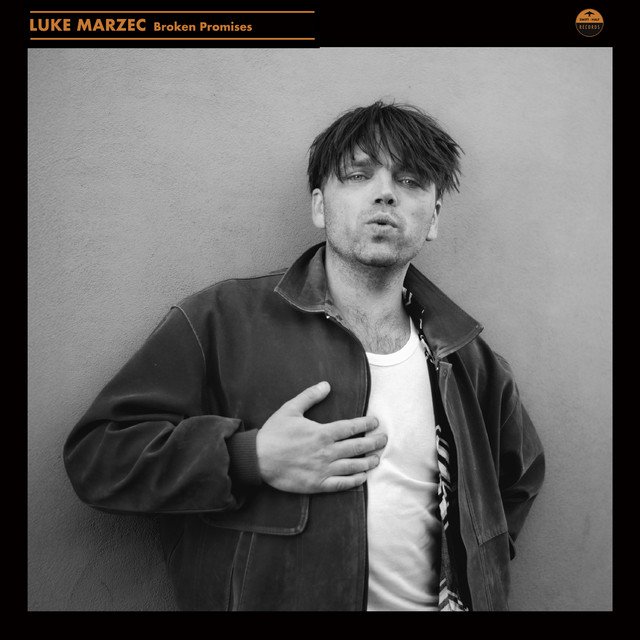
Fresh Find Review: Luke Marzec – Broken Promises | Jazz Discovery
Ο κεφάτος ρυθμός μας σηκώνει από τον καναπέ μας και λικνιζόμαστε μαζί του τόσο ανέμελα και χαλαρά καθώς η μέρα φεύγει σιγά σι... >>> Read full review & listen to the song on Nagamag #neosoul #nujazz #jazztronica #retrosoul #lukemarzec #unitedkingdom #nagamag #musicmagazine #musicreview #review
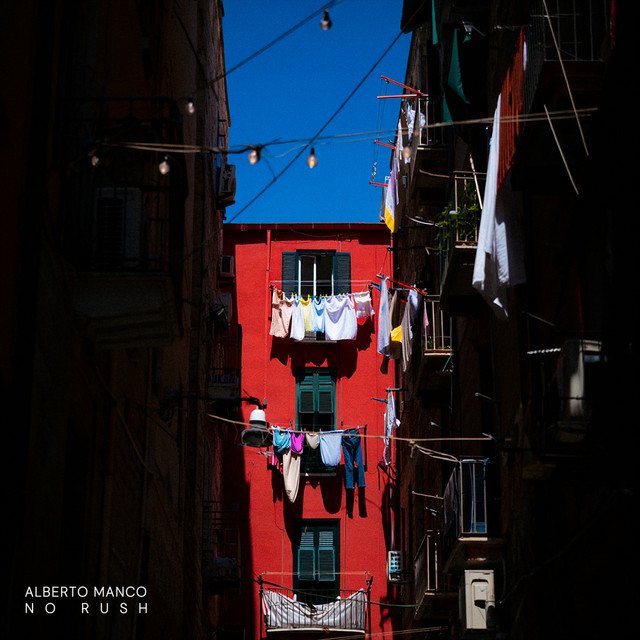
Song Critique Alberto Manco – No Rush | Review
Η ωραία ταξιδιάρικη μελωδία μας συνοδεύει μέσα στα στενά της πόλης και με τη γοητευτική θλίψη της δείχνει να καταλαβαίνει τα ... >>> Read full review & listen to the song on Nagamag #nujazz #jazztronica #jazzfusion #jazz #albertomanco #italy #nagamag #musicmagazine #musicreview #review
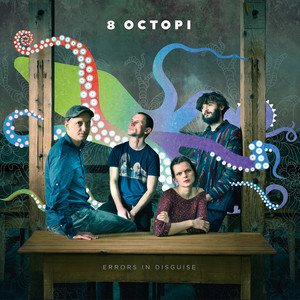
Song Review: “Errors in Disguise” by 8 octopi | A Jazz Discovery
Ο αισθησιασμός της μελωδίας αφήνει την φαντασία μας ελεύθερη και το ήρεμο άγγιγμα της είναι τόσο ευεργετικό. Τα γλυκά φωνητικ... >>> Read full review & listen to the song on Nagamag #jazz #8octopi #switzerland #nagamag #musicmagazine #musicreview #review

Release Critique: Johanna Linnea Jakobsson – Too Slow | Jazz Review
Με γλυκές και διακριτικές πινελιές η μελωδία ζωγραφίζει το τοπίο της φαντασίας μας και όλα μοιάζουν τόσο γαλήνια. Τα εκπληκτι... >>> Read full review & listen to the song on Nagamag #jazz #singersongwriter #johannalinneajakobsson #denmark #nagamag #musicmagazine #musicreview #review

Song Review: “FwL” by ZENON | A Jazz Discovery
Τα αισθησιακά και γοητευτικά φωνητικά μας εντυπωσιάζουν από την πρώτη στιγμή. Οι εξαιρετικές ικανότητες τους δημιουργούν ένα ... >>> Read full review & listen to the song on Nagamag #neosoul #contemporaryrnb #zenon #canada #nagamag #musicmagazine #musicreview #review
Critique: “Sea of that summer” by KIM MIN SEOB | Jazz Review
Το καλοκαίρι είναι επιτέλους εδώ και αυτή η μοναδική μελωδία έρχεται για να απογειώσει την διάθεσή μας. Όλα γύρω μοιάζουν τόσ... >>> Read full review & listen to the song on Nagamag #jazzfusion #kimminseob #southkorea #nagamag #musicmagazine #musicreview #review
Some Jazz subgenres
There are many subgenres of jazz, and the boundaries between them can be somewhat fluid. Here are a few of the most common subgenres of jazz:
Dixieland jazz: Also known as “traditional” or “New Orleans” jazz, this style is characterized by its use of collective improvisation and a strong rhythm section, featuring instruments such as the trumpet, trombone, and clarinet.
Swing: This style emerged in the 1930s and 1940s and is characterized by its use of a swinging rhythm and big band instrumentation. It was popularized by bands led by musicians such as Duke Ellington and Benny Goodman.
Bebop: This style emerged in the 1940s and is characterized by its fast tempo, complex chord progressions, and extensive use of improvisation. It was popularized by musicians such as Charlie Parker and Dizzy Gillespie.
Cool jazz: This style emerged in the 1950s and is characterized by its use of complex harmonies and a laid-back, relaxed approach to rhythm. It was popularized by musicians such as Miles Davis and Dave Brubeck.
Fusion: This style emerged in the 1970s and is characterized by its incorporation of elements from other genres of music, such as rock, funk, and world music. It was popularized by musicians such as John McLaughlin and Chick Corea.
Smooth jazz: This style emerged in the 1980s and is characterized by its use of electronic instrumentation and a focus on melody and groove. It was popularized by musicians such as George Benson and Grover Washington Jr.
Hard bop: This style emerged in the 1950s and is characterized by its use of blues and gospel influences and its incorporation of elements from bebop and swing. It was popularized by musicians such as Horace Silver and Art Blakey.
Free jazz: This style emerged in the 1960s and is characterized by its use of extended improvisation and a lack of strict chord progressions or other formal structures. It was popularized by musicians such as Ornette Coleman and John Coltrane.
Latin jazz: This style is characterized by its incorporation of Latin American rhythms and melodies, as well as its use of percussion instruments such as congas, timbales, and bongos. It was popularized by musicians such as Tito Puente and Cal Tjader.
Acid jazz: This style emerged in the 1980s and is characterized by its incorporation of elements from funk, soul, and hip hop, as well as its use of electronic instrumentation. It was popularized by musicians such as Brand New Heavies and Jamiroquai.
Jazz-rock: This style emerged in the 1970s and is characterized by its incorporation of elements from rock music and its use of electric instruments. It was popularized by musicians such as Mahavishnu Orchestra and Weather Report.
Jazz-funk: This style is characterized by its incorporation of elements from funk music and its use of electric instruments and groove-based rhythms. It was popularized by musicians such as James Brown and George Clinton.
As with any genre of music, these subgenres are just a few of the many that exist within the broader category of jazz. There are many other styles and variations within jazz.
The most used instruments in Jazz Music
There are many different instruments that are commonly used in jazz music, and the specific instruments used can vary depending on the style and context of the music. Here are a few of the most common instruments used in jazz:
Piano: The piano is a common instrument in jazz music and is often used to provide the harmonic foundation for the music. Jazz pianists may use a range of techniques, including comping (providing chordal accompaniment), soloing (performing a melodic solo), and improvising (creating music spontaneously).
Drums: The drums are an important part of the rhythm section in jazz music and are often used to create a swinging or groove-based feel. Jazz drummers may use a range of techniques, including various stick and cymbal patterns, to create complex rhythms and interactive interactions with other musicians.
Bass: The bass is another important part of the rhythm section in jazz music and is often used to provide the foundation for the music. Jazz bassists may use a range of techniques, including walking bass lines (a repeating pattern of notes played over the chord progression of a song) and soloing, to create a strong rhythmic and melodic foundation for the music.
Guitar: The guitar is often used in jazz music and can play a variety of roles, from providing chordal accompaniment to soloing. Jazz guitarists may use a range of techniques, including chord voicings (arrangements of notes in a chord), arpeggios (broken chords played one note at a time), and improvisation, to create complex and interesting musical textures.
Saxophone: The saxophone is a common instrument in jazz music and is often used to play melodies and improvise solos. Jazz saxophonists may use a range of techniques, including alternate fingerings, multiphonics (playing more than one pitch at a time), and circular breathing (a technique for continuous blowing), to create a wide range of sounds and textures.
Vocals: Vocals are often used in jazz music, and many jazz singers have made significant contributions to the genre. Jazz vocals can take many forms, ranging from scat singing (improvised vocalizations using nonsense syllables) to more traditional vocal styles such as singing with lyrics. Some famous jazz singers include Billie Holiday, Ella Fitzgerald, and Louis Armstrong, all of whom are known for their unique vocal styles and ability to improvise.
In addition to traditional vocals, many jazz musicians also use electronic effects and processing to manipulate their voices, creating a wide range of sounds and textures. Some jazz musicians, such as Bobby McFerrin and Gregory Porter, have made significant contributions to the genre using only their voices, without any accompanying instruments.
In jazz music, lyrics are often used in the same way as in other genres of music, to express emotions, tell a story, or convey a message. However, jazz lyrics may also be used to create a structure for improvisation or to provide a basis for scat singing, which is a form of vocal improvisation in which the singer uses nonsense syllables instead of actual words.
Jazz lyrics may also be more abstract and poetic than lyrics in other genres of music, and may use figurative language or symbolism to convey meaning. Jazz lyrics often reflect the social and cultural contexts in which the music was created, and may address themes such as love, loss, hope, and social or political issues.
Overall, vocals and the meaning of lyrics in jazz music depends on the context in which they are used and the intentions of the songwriter. They can be used to express emotions, tell a story, convey a message, or provide a structure for the music to follow.