
Jazz Music ⁞ New Releases⁞ Artist Interviews⁞ Music News
Introduction of Jazz Music
Jazz is a genre of music that originated in the African-American communities of New Orleans, United States, in the late 19th and early 20th centuries. It is characterized by its use of improvisation, complex harmonic structures, and a wide range of musical influences, including blues, gospel, and European classical music. Jazz is known for its swing rhythm, which is created by the use of syncopated rhythms and a strong pulse. It is often played by small ensembles, such as a quintet or sextet, and is known for its ability to adapt to a wide range of musical contexts and styles. Jazz has had a significant influence on many other genres of music, and has been an important part of the cultural fabric of the United States and the rest of the world for more than a century.
Jazz by Nagamag Playlist on Spotify
Recent Jazz Interviews
Jazz Featured Releases
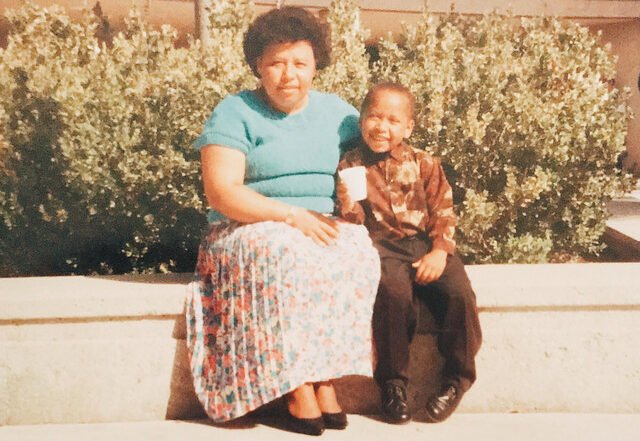
Arthur Brown III – Flowers For Kaitlan
“Με υψηλή αισθητική και σεβασμό η μελωδία χαϊδεύει τα αφτιά μας. Αργή, ήρεμη και σχεδόν μελαγχολική μας ταξιδεύει πίσω στο χρόνο και είναι σαν μας μαθαίνει από την αρχή να κάνουμε τα πρώτα μας βήματα. Καθώς μας επιστρέφει στο παρόν μοιάζουν όλα καινούργια και όμορφα χωρίς καμιά ασχήμια να χαλάει το πορτραίτο της ζωής.”
“With high aesthetics and respect the melody caresses our ears. Slow, calm and almost melancholy travels us back in time and is like learning from the beginning to take our first steps. As it returns to us, they all look new and beautiful without any ugliness to spoil the portrait of life.” *
“With high aesthetics and respect the melody caresses our ears. Slow, calm and almost melancholy travels us back in time and is like learning from the beginning to take our first steps. As it returns to us, they all look new and beautiful without any ugliness to spoil the portrait of life.” *
-Nagamag.com
The song “Arthur Brown III – Flowers For Kaitlan” is released by SAGA Entertainment LLC
Track Sources for “Arthur Brown III – Flowers For Kaitlan”:
Spotify: https://open.spotify.com/track/4sm6OyUeAFUlBlRWXGAkTI
Youtube: https://www.youtube.com/watch?v=0wtuY4CfoCk
Apple Music: https://music.apple.com/us/album/flowers-for-kaitlan/1662313423?i=1662313794
Deezer: https://www.deezer.com/track/2092593467

Xeuphoria – blue hoodie
“Starting as a pure soul and gospel song, than it expands when the groove arrives into the modern deep house beats. Beautiful mixture of styles makes this song very catchy. Vocals are amazing, soft, seductive, perfectly fitting within the song atmosphere. Piano themes are lush, creating that anthem vibes within.”
“Ξεκινώντας ως ένα καθαρό τραγούδι ψυχής και ευαγγελίου, από ό, τι επεκτείνεται όταν το αυλάκι φτάνει στο σύγχρονο βαθύ σπίτια χτυπάει. Το όμορφο μείγμα στυλ κάνει αυτό το τραγούδι πολύ πιασάρικο. Τα φωνητικά είναι εκπληκτικά, μαλακά, σαγηνευτικά, τέλεια τοποθετημένα μέσα στην ατμόσφαιρα του τραγουδιού. Τα θέματα πιάνου είναι πλούσια, δημιουργώντας αυτό το anthem vibes μέσα.” *
“Comenzando como una canción de alma pura y gospel, que se expande cuando el ritmo llega a los ritmos modernos de Deep House. Hermosa mezcla de estilos hace que esta canción sea muy pegadiza. Las voces son increíbles, suaves, seductoras, perfectamente ajustadas dentro de la atmósfera de la canción. Los temas de piano son exuberantes, creando ese himno vibraciones dentro.” *
-Nagamag.com
Track Sources for “Xeuphoria – blue hoodie”:
Spotify: https://open.spotify.com/track/7ewEOIxRFeNtRHZcXSRbdL
Youtube: https://www.youtube.com/watch?v=O0oWN_Kdhtw
Deezer: https://www.deezer.com/track/2102929577
Find Xeuphoria on Socials:
Twitter: https://twitter.com/iamxeuphoria
Website of Xeuphoria:
https://xeuphoria.com/
Guess Method – Hogtied
“Το κέφι και ο ρυθμός δείχνουν την ζωηρή εκδοχή τους μέσα από την ξέφρενη γιορτή των μουσικών οργάνων. Ρυθμισμένα όλα σε πλήρη αρμονία και ισορροπία ανεβάζουν στοχευμένα τη διάθεση και μεθούν τον μυαλό και την ψυχή. Με ιδιαίτερη και εκλεπτυσμένη αισθητική η μελωδία ταλαντεύεται ανάμεσα στην ένταση και στην κομψότητα.”
“The fun and rhythm show their lively version through the frantic feast of the musical instruments. Adjustable in complete harmony and balance they are targeted at the mood and driving the mind and soul. With a special and sophisticated aesthetic, the melody swings between intensity and elegance.” *
“La diversión y el ritmo muestran su versión animada a través de la frenética fiesta de los instrumentos musicales. Ajustable en completa armonía y equilibrio, están dirigidos al estado de ánimo y conduciendo la mente y el alma. Con una estética especial y sofisticada, la melodía se balancea entre la intensidad y la elegancia.” *
-Nagamag.com
Track Sources for “Guess Method – Hogtied”:
Spotify: https://open.spotify.com/track/2mKOkdOy4nlVCDPMeDNUMt
Youtube: https://www.youtube.com/watch?v=pJbeJgl-yG0
Apple Music: https://music.apple.com/us/album/hogtied/1666757709?i=1666757710
Deezer: https://www.deezer.com/track/2116322787
Latest Jazz discoveries
Review: Sons of the Mellow Mafia – Breonna | A Jazz Discovery
Η ωραία ατμοσφαιρική μελωδία δημιουργεί όμορφες εικόνες στο μυαλό και μια νοσταλγική διάθεση μας περιβάλλει. Οι αισθήσεις μας... >>> Read full review & listen to the song on Nagamag #americana #acousticfolk #jazz #sonsofthemellowmafia #unitedstates #nagamag #musicmagazine #musicreview #review

Critique: “Sugar” by Diana Flwrs | Jazz Review
Τα γλυκά και αισθαντικά φωνητικά γίνονται σήμα κατατεθέν για το κομμάτι. Η χροιά τους και το στυλ τους είναι μοναδικά και σίγ... >>> Read full review & listen to the song on Nagamag #neosoul #contemporaryrnb #alternative #indiernb #dianaflwrs #unitedstates #nagamag #musicmagazine #musicreview #review
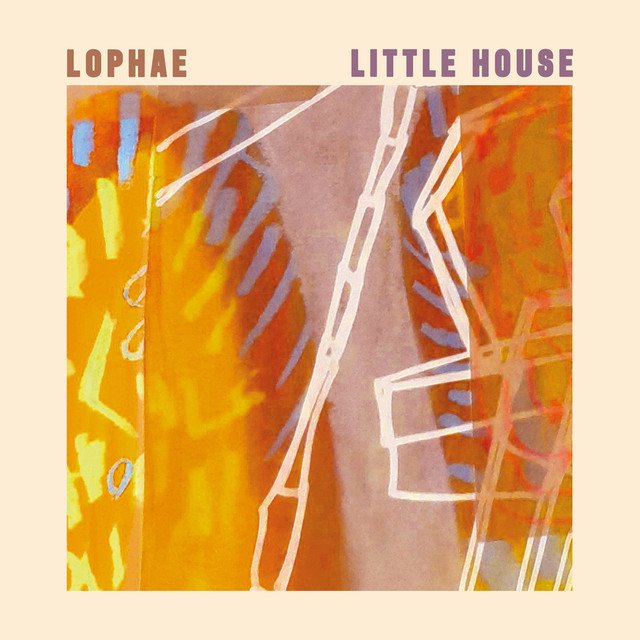
Composition Critique: “Little House” by Lophae | Jazz Review
Η υπέροχη και καλαίσθητη μελωδία ανεβάζει το επίπεδο της διασκέδασης. Με το εκλεπτυσμένο στυλ της δείχνει το σεβασμό της στην... >>> Read full review & listen to the song on Nagamag #funk #jazzfusion #jazz #lophae #unitedkingdom #nagamag #musicmagazine #musicreview #review

Release Critique: Len Abram – Lucky Me | Jazz Review
Η γλυκιά αγκαλιά της μελωδίας επουλώνει τις πληγές μας και χαλαρώνει τις αντιστάσεις μας. Οι μαγικές ιδιότητες της ρίχνουν φω... >>> Read full review & listen to the song on Nagamag #jazz #lenabram #unitedstates #nagamag #musicmagazine #musicreview #review

Composition Critique: “COMPASS” by Jade Fields | Jazz Review
Τα φωνητικά με την ευκίνητη ροή τους και το επιθετικό στυλ τους κερδίζουν τις εντυπώσεις και μας δίνουν την ενέργεια που χρει... >>> Read full review & listen to the song on Nagamag #neosoul #hiphop #conscioushiphop #alternativehiphop #jadefields #canada #nagamag #musicmagazine #musicreview #review
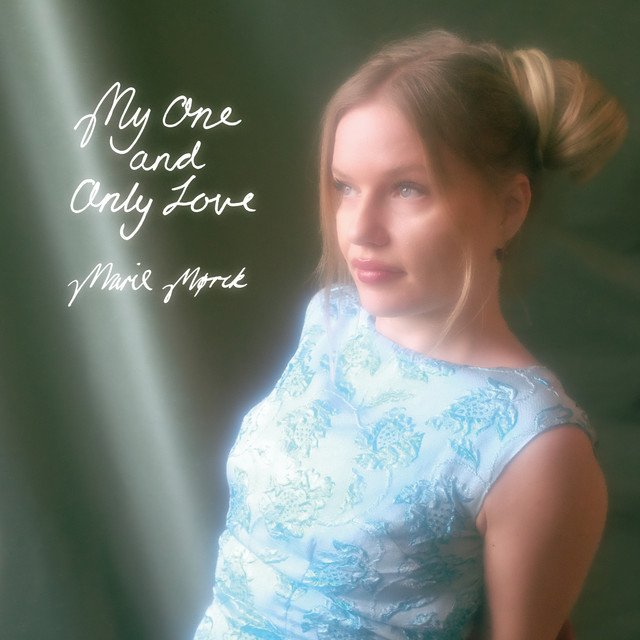
Fresh Find Review: “My One and Only Love (feat. Snorre Kirk, Magnus Hjorth & Lasse Mørck)” by Marie Mørck – | Jazz Song
Όμορφα και ρομαντικά φωνητικά που μας μαγεύουν και γεμίζουν με χρυσόσκονη τις στιγμές μας. Η γλυκιά και ζεστή χροιά τους είνα... >>> Read full review & listen to the song on Nagamag #jazz #mariemørck #denmark #nagamag #musicmagazine #musicreview #review
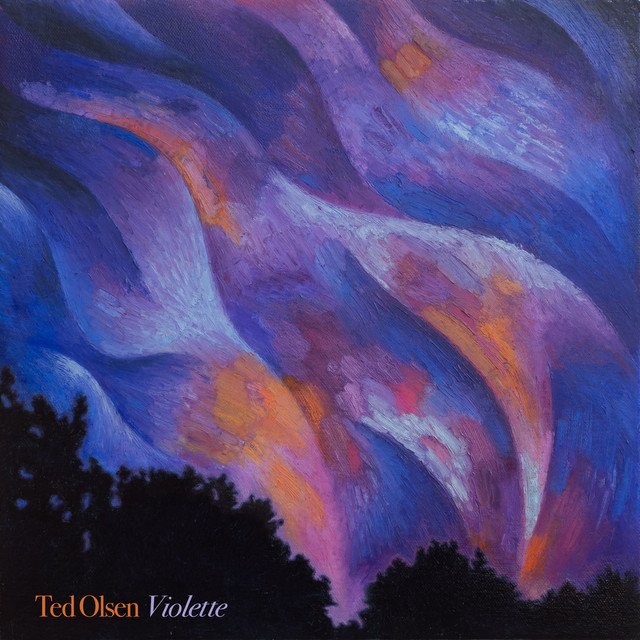
Collaboration Review: Ted Olsen x Aby Wolf – Dusk, WSQ (feat. Aby Wolf) | Jazz
Τα φωνητικά με τις απίστευτες δυνατότητες τους μας εκπλήσσουν και η απαλή χροιά τους μαγεύει την ψυχή μας. Όλα τα συναισθήματ... >>> Read full review & listen to the song on Nagamag #chamberpop #jazz #tedolsenxabywolf #tedolsenxabywolf #unitedstates #nagamag #musicmagazine #musicreview #review

Song Review: “Pink City” by Sophie Baetz | A Jazz Discovery
Ωραία φωνητικά που ξεδιπλώνονται με ευέλικτο και γοητευτικό τρόπο χαϊδεύοντας τα αφτιά μας. Η χροιά τους είναι τόσο τρυφερή κ... >>> Read full review & listen to the song on Nagamag #neosoul #alternative #indiernb #hiphop #conscioushiphop #sophiebaetz #germany #nagamag #musicmagazine #musicreview #review
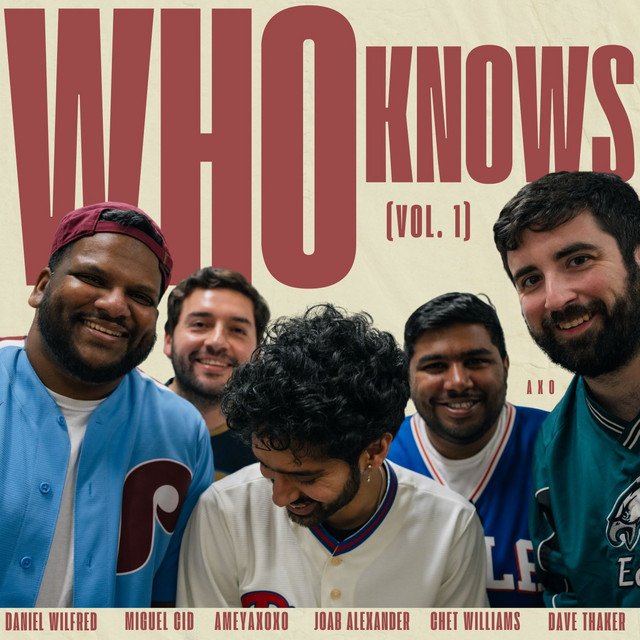
Next Up Jazz Review: Ameyaxoxo – Bella’s Dream
Η εκλεπτυσμένη μελωδία ανεβάζει το επίπεδο της διασκέδασης με ωραίες εναλλαγές που γοητεύουν και γεμίζουν την ψυχή με ευχαρίσ... >>> Read full review & listen to the song on Nagamag #jazzfusion #ameyaxoxo #unitedstates #nagamag #musicmagazine #musicreview #review
Some Jazz subgenres
There are many subgenres of jazz, and the boundaries between them can be somewhat fluid. Here are a few of the most common subgenres of jazz:
Dixieland jazz: Also known as “traditional” or “New Orleans” jazz, this style is characterized by its use of collective improvisation and a strong rhythm section, featuring instruments such as the trumpet, trombone, and clarinet.
Swing: This style emerged in the 1930s and 1940s and is characterized by its use of a swinging rhythm and big band instrumentation. It was popularized by bands led by musicians such as Duke Ellington and Benny Goodman.
Bebop: This style emerged in the 1940s and is characterized by its fast tempo, complex chord progressions, and extensive use of improvisation. It was popularized by musicians such as Charlie Parker and Dizzy Gillespie.
Cool jazz: This style emerged in the 1950s and is characterized by its use of complex harmonies and a laid-back, relaxed approach to rhythm. It was popularized by musicians such as Miles Davis and Dave Brubeck.
Fusion: This style emerged in the 1970s and is characterized by its incorporation of elements from other genres of music, such as rock, funk, and world music. It was popularized by musicians such as John McLaughlin and Chick Corea.
Smooth jazz: This style emerged in the 1980s and is characterized by its use of electronic instrumentation and a focus on melody and groove. It was popularized by musicians such as George Benson and Grover Washington Jr.
Hard bop: This style emerged in the 1950s and is characterized by its use of blues and gospel influences and its incorporation of elements from bebop and swing. It was popularized by musicians such as Horace Silver and Art Blakey.
Free jazz: This style emerged in the 1960s and is characterized by its use of extended improvisation and a lack of strict chord progressions or other formal structures. It was popularized by musicians such as Ornette Coleman and John Coltrane.
Latin jazz: This style is characterized by its incorporation of Latin American rhythms and melodies, as well as its use of percussion instruments such as congas, timbales, and bongos. It was popularized by musicians such as Tito Puente and Cal Tjader.
Acid jazz: This style emerged in the 1980s and is characterized by its incorporation of elements from funk, soul, and hip hop, as well as its use of electronic instrumentation. It was popularized by musicians such as Brand New Heavies and Jamiroquai.
Jazz-rock: This style emerged in the 1970s and is characterized by its incorporation of elements from rock music and its use of electric instruments. It was popularized by musicians such as Mahavishnu Orchestra and Weather Report.
Jazz-funk: This style is characterized by its incorporation of elements from funk music and its use of electric instruments and groove-based rhythms. It was popularized by musicians such as James Brown and George Clinton.
As with any genre of music, these subgenres are just a few of the many that exist within the broader category of jazz. There are many other styles and variations within jazz.
The most used instruments in Jazz Music
There are many different instruments that are commonly used in jazz music, and the specific instruments used can vary depending on the style and context of the music. Here are a few of the most common instruments used in jazz:
Piano: The piano is a common instrument in jazz music and is often used to provide the harmonic foundation for the music. Jazz pianists may use a range of techniques, including comping (providing chordal accompaniment), soloing (performing a melodic solo), and improvising (creating music spontaneously).
Drums: The drums are an important part of the rhythm section in jazz music and are often used to create a swinging or groove-based feel. Jazz drummers may use a range of techniques, including various stick and cymbal patterns, to create complex rhythms and interactive interactions with other musicians.
Bass: The bass is another important part of the rhythm section in jazz music and is often used to provide the foundation for the music. Jazz bassists may use a range of techniques, including walking bass lines (a repeating pattern of notes played over the chord progression of a song) and soloing, to create a strong rhythmic and melodic foundation for the music.
Guitar: The guitar is often used in jazz music and can play a variety of roles, from providing chordal accompaniment to soloing. Jazz guitarists may use a range of techniques, including chord voicings (arrangements of notes in a chord), arpeggios (broken chords played one note at a time), and improvisation, to create complex and interesting musical textures.
Saxophone: The saxophone is a common instrument in jazz music and is often used to play melodies and improvise solos. Jazz saxophonists may use a range of techniques, including alternate fingerings, multiphonics (playing more than one pitch at a time), and circular breathing (a technique for continuous blowing), to create a wide range of sounds and textures.
Vocals: Vocals are often used in jazz music, and many jazz singers have made significant contributions to the genre. Jazz vocals can take many forms, ranging from scat singing (improvised vocalizations using nonsense syllables) to more traditional vocal styles such as singing with lyrics. Some famous jazz singers include Billie Holiday, Ella Fitzgerald, and Louis Armstrong, all of whom are known for their unique vocal styles and ability to improvise.
In addition to traditional vocals, many jazz musicians also use electronic effects and processing to manipulate their voices, creating a wide range of sounds and textures. Some jazz musicians, such as Bobby McFerrin and Gregory Porter, have made significant contributions to the genre using only their voices, without any accompanying instruments.
In jazz music, lyrics are often used in the same way as in other genres of music, to express emotions, tell a story, or convey a message. However, jazz lyrics may also be used to create a structure for improvisation or to provide a basis for scat singing, which is a form of vocal improvisation in which the singer uses nonsense syllables instead of actual words.
Jazz lyrics may also be more abstract and poetic than lyrics in other genres of music, and may use figurative language or symbolism to convey meaning. Jazz lyrics often reflect the social and cultural contexts in which the music was created, and may address themes such as love, loss, hope, and social or political issues.
Overall, vocals and the meaning of lyrics in jazz music depends on the context in which they are used and the intentions of the songwriter. They can be used to express emotions, tell a story, convey a message, or provide a structure for the music to follow.