
Jazz Music ⁞ New Releases⁞ Artist Interviews⁞ Music News
Introduction of Jazz Music
Jazz is a genre of music that originated in the African-American communities of New Orleans, United States, in the late 19th and early 20th centuries. It is characterized by its use of improvisation, complex harmonic structures, and a wide range of musical influences, including blues, gospel, and European classical music. Jazz is known for its swing rhythm, which is created by the use of syncopated rhythms and a strong pulse. It is often played by small ensembles, such as a quintet or sextet, and is known for its ability to adapt to a wide range of musical contexts and styles. Jazz has had a significant influence on many other genres of music, and has been an important part of the cultural fabric of the United States and the rest of the world for more than a century.
Jazz by Nagamag Playlist on Spotify
Recent Jazz Interviews
Jazz Featured Releases

Ford Trio – HATSUDAI
“Jazz vibes in the basic structure, but with a lot of other style, that are greatly put together within this song. Funk elements, reggae guitar riffs and some beautiful r&b parts. Groove is smooth but very dynamic, feel like a perfect jam session. Lead guitar is definitely the instrument that stand out, amazingly played and produced. ”
“Τζαζ vibes στη βασική δομή, αλλά με πολλά άλλα στυλ, που είναι σε μεγάλο βαθμό μαζί μέσα σε αυτό το τραγούδι. Funk Στοιχεία, reggae κιθάρα riff και μερικά όμορφα R & B εξαρτήματα. Το Groove είναι ομαλό αλλά πολύ δυναμικό, αισθάνεται σαν μια τέλεια συνεδρία μαρμελάδας. Η κιθάρα μολύβδου είναι σίγουρα το όργανο που ξεχωρίζει, παίζει εκπληκτικά και παράγεται.” *
“Jazz vibria en la estructura básica, pero con mucho otro estilo, que se juntan en esta canción. Elementos de funk, riffs de guitarra reggae y algunas hermosas partes de R&B. Groove es suave pero muy dinámico, se siente como una sesión de atasco perfecta. La guitarra principal es definitivamente el instrumento que se destaca, increíblemente tocado y producido.” *
-Nagamag.com
The song “Ford Trio – HATSUDAI” is released by CRAZY MONDAE
Track Sources for “Ford Trio – HATSUDAI”:
Spotify: https://open.spotify.com/track/0tmBHngPORavXL8PNt0yxI
Youtube: https://www.youtube.com/watch?v=ZK2vRzXOjuY
Apple Music: https://music.apple.com/us/album/hatsudai/1665632089?i=1665632095
Deezer: https://www.deezer.com/track/2109876417
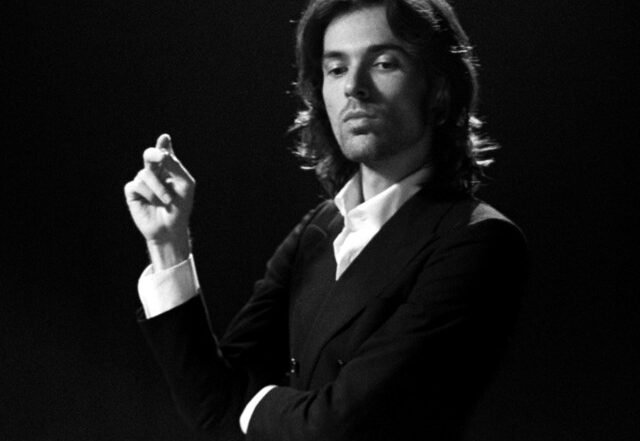
Cosmic Crooner – Spoiler Alert
“Как же приятно слушать такую музыку, её легко можно сравнить с эмоциональным отпечатком из детства, когда мир был наполнен чудесами, а единственным страхом было преодолеть очередной барьер взросления. У вас есть уникальная возможность оказаться в чарующем мире звуков Indie Pop и насладиться этой сладострастной атмосферой!”
“How nice it is to listen to such music, it can easily be compared with an emotional imprint from childhood, when the world was filled with miracles, and the only fear was to overcome the next barrier of growing up. You have a unique opportunity to be in the enchanting world of sounds of Indie pop and enjoy this voluptuous atmosphere!” *
“Πόσο ωραίο είναι να ακούσετε μια τέτοια μουσική, μπορεί εύκολα να συγκριθεί με ένα συναισθηματικό αποτύπωμα από την παιδική ηλικία, όταν ο κόσμος ήταν γεμάτος με θαύματα και ο μόνος φόβος ήταν να ξεπεραστεί το επόμενο εμπόδιο της ανάπτυξης. Έχετε μια μοναδική ευκαιρία να είστε στον μαγευτικό κόσμο των ήχων του indie pop και να απολαύσετε αυτή την αίσθηση της ατμόσφαιρας!” *
-Nagamag.com
Track Sources for “Cosmic Crooner – Spoiler Alert”:
Spotify: https://open.spotify.com/track/14p2o2hh7wJuSoosGZsljx
Youtube: https://www.youtube.com/watch?v=p5TytwUEXlI
Find Cosmic Crooner on Socials:
Twitter: https://twitter.com/CosmicCrooner
Website of Cosmic Crooner:
https://www.cosmiccrooner.com/

HENRY ABERSON – What Lovers Do
“Deep and slow groove fits so well with the mood of the song and the feeling it brings to the listener. Smooth jazz vibes are layered with many details that bring the lead vocal into the best light. Piano themes creates the heart and soul of the song, specially with background chanting vocals that adds perfect atmosphere. ”
“Το βαθύ και αργό αυλάκι ταιριάζει τόσο καλά με τη διάθεση του τραγουδιού και την αίσθηση που φέρνει στον ακροατή. Τα ομαλά τζαζ ατμόσφαιρα είναι στρωμένα με πολλές λεπτομέρειες που φέρνουν το φωνητικό μολύβι στο καλύτερο φως. Τα θέματα πιάνου δημιουργούν την καρδιά και την ψυχή του τραγουδιού, ειδικά με φόντο φωνητικά που προσθέτουν τέλεια ατμόσφαιρα.” *
“El ritmo profundo y lento encaja muy bien con el estado de ánimo de la canción y la sensación que trae al oyente. Las vibraciones de jazz suaves están en capas con muchos detalles que llevan la voz principal a la mejor luz. Los temas de piano crean el corazón y el alma de la canción, especialmente con voces de canto de fondo que agrega una atmósfera perfecta.” *
-Nagamag.com
The song “HENRY ABERSON – What Lovers Do” is released by Max C LLC
Track Sources for “HENRY ABERSON – What Lovers Do”:
Spotify: https://open.spotify.com/track/7cruuCeYjUo1VOMuWToyCL
Find HENRY ABERSON on Socials:
Instagram: https://www.instagram.com/aberson_music/
Website of HENRY ABERSON:
https://linktr.ee/Aberson_music
Latest Jazz discoveries
![Cover of: Sargeant X Comrade - River (feat. Wakefield Brewster) [Mo Gravy Mix] | Jazz Music](https://www.nagamag.com/wp-content/uploads/2025/06/sargeant-x-comrade-river-feat-wakefield-brewster-mo-gravy-mix-jazz-album-cover-nagamag-music-magazine.jpg)
Release Review: Sargeant X Comrade – River (feat. Wakefield Brewster) [Mo Gravy Mix] | Jazz Music
Τα σώματα μας λικνίζονται κάτω από το καλοκαιρινό ήλιο με την ωραία αισθησιακή μελωδία να μεθά το μυαλό μας. Τα υπέροχα φωνητ... >>> Read full review & listen to the song on Nagamag #neosoul #nujazz #jazztronica #worldmusicother #sargeantxcomrade #nagamag #musicmagazine #musicreview #review
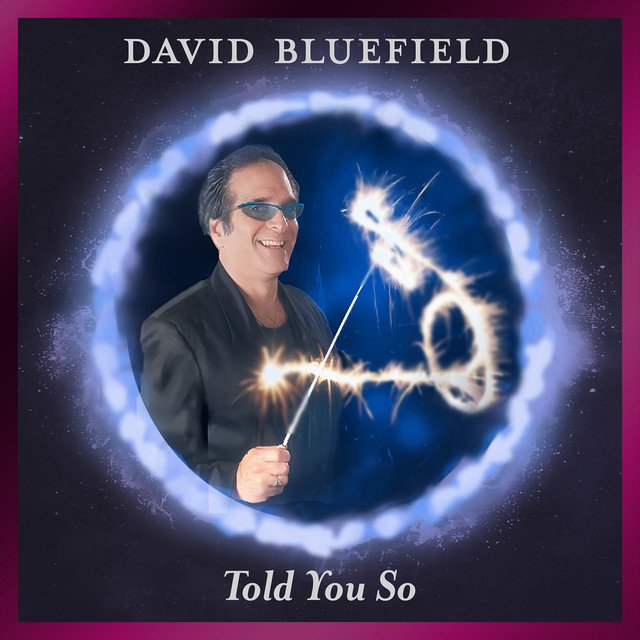
Fresh Find Review: David Bluefield – Told You So | Jazz Discovery
Ωραίος ρυθμός που σε ξεσηκώνει και σε κάνει να νιώθεις αισιόδοξα με το θετικό ύφος του. Τα πληθωρικά και δυναμικά φωνητικά εί... >>> Read full review & listen to the song on Nagamag #funk #retrosoul #davidbluefield #unitedstates #nagamag #musicmagazine #musicreview #review

Song Review: “Every Cell of my Body” by WellBad | A Jazz Discovery
Really catchy song, with so addictive harmonic structure and interesting lead vocal. His voice is so catchy, can easily remin... >>> Read full review & listen to the song on Nagamag #blues #retrosoul #wellbad #germany #nagamag #musicmagazine #musicreview #review
Music Review: Peter Manheim – Pressure | Jazz Release
Old school vibe that hit you instantly with the first sounds, this song creates wonderful world of nostalgia. Saxophone theme... >>> Read full review & listen to the song on Nagamag #nujazz #jazztronica #jazzfusion #jazz #petermanheim #unitedstates #nagamag #musicmagazine #musicreview #review
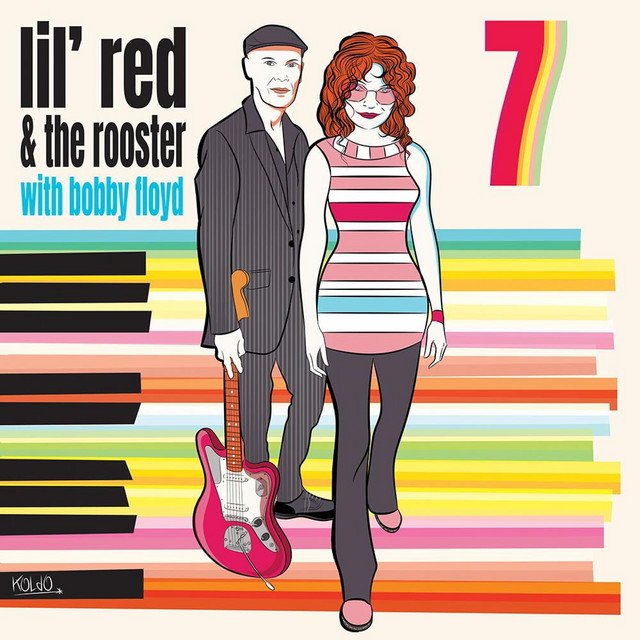
Jazz Review: ““Stack ‘Em Up Baby”” by Lil’ Red & The Rooster
Με ύφος μυστηριακό και γοητευτικό η μελωδία κερδίζει τις εντυπώσεις από την πρώτη στιγμή. Τα εκλεπτυσμένα και αισθησιακά φωνη... >>> Read full review & listen to the song on Nagamag #blues #lil'red #therooster #unitedstates #nagamag #musicmagazine #musicreview #review
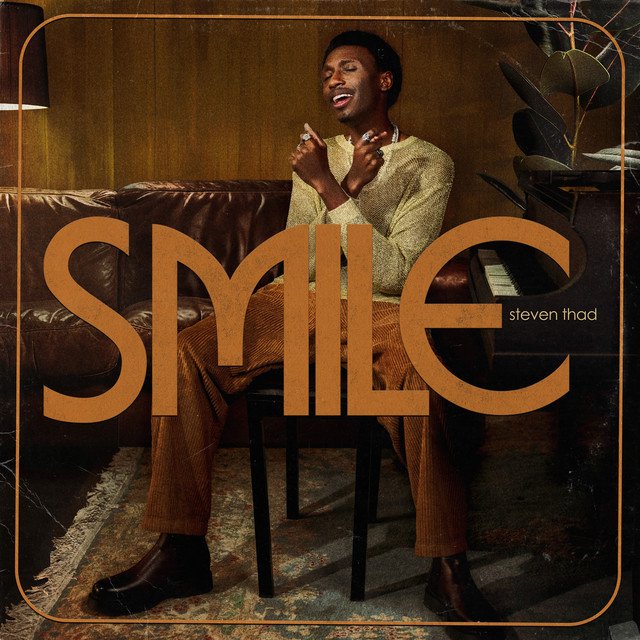
Track Review: Steven Thad – Smile | Jazz
Η ζωντάνια και η αρμονία του ρυθμού μας ξεσηκώνει και το σώμα μας απελευθερώνει τις όμορφες χορευτικές του κινήσεις. Τα υπέρο... >>> Read full review & listen to the song on Nagamag #neosoul #funk #retrosoul #steventhad #unitedstates #nagamag #musicmagazine #musicreview #review

Release Critique: Carrie Marshall – Under the Moonlight | Jazz Review
Με ωραίο και αισθαντικό τρόπο τα φωνητικά μας διηγούνται την ιστορία τους και εκφράζουν το πάθος τους, αφήνοντας την φαντασία... >>> Read full review & listen to the song on Nagamag #jazz #carriemarshall #unitedstates #nagamag #musicmagazine #musicreview #review

Composition Review: Moodssupply – Love Yourself | Jazz
Ο υπέροχος χορευτικός ρυθμός στήνει μια γιορτή και όλοι είμαστε καλεσμένοι σε αυτή. Η ζωντάνια της μελωδίας μοιράζει την δια... >>> Read full review & listen to the song on Nagamag #funk #indietronica #nudisco #moodssupply #netherlands #nagamag #musicmagazine #musicreview #review

Jazz Review: “Sea Shack” by Galamba
Η χαρούμενη μελωδία μας ταξιδεύει ανέμελα σε όμορφα καλοκαιρινά τοπία και το εκλεπτυσμένο στυλ της ανεβάζει το επίπεδο της δι... >>> Read full review & listen to the song on Nagamag #jazzfusion #galamba #canada #nagamag #musicmagazine #musicreview #review
Some Jazz subgenres
There are many subgenres of jazz, and the boundaries between them can be somewhat fluid. Here are a few of the most common subgenres of jazz:
Dixieland jazz: Also known as “traditional” or “New Orleans” jazz, this style is characterized by its use of collective improvisation and a strong rhythm section, featuring instruments such as the trumpet, trombone, and clarinet.
Swing: This style emerged in the 1930s and 1940s and is characterized by its use of a swinging rhythm and big band instrumentation. It was popularized by bands led by musicians such as Duke Ellington and Benny Goodman.
Bebop: This style emerged in the 1940s and is characterized by its fast tempo, complex chord progressions, and extensive use of improvisation. It was popularized by musicians such as Charlie Parker and Dizzy Gillespie.
Cool jazz: This style emerged in the 1950s and is characterized by its use of complex harmonies and a laid-back, relaxed approach to rhythm. It was popularized by musicians such as Miles Davis and Dave Brubeck.
Fusion: This style emerged in the 1970s and is characterized by its incorporation of elements from other genres of music, such as rock, funk, and world music. It was popularized by musicians such as John McLaughlin and Chick Corea.
Smooth jazz: This style emerged in the 1980s and is characterized by its use of electronic instrumentation and a focus on melody and groove. It was popularized by musicians such as George Benson and Grover Washington Jr.
Hard bop: This style emerged in the 1950s and is characterized by its use of blues and gospel influences and its incorporation of elements from bebop and swing. It was popularized by musicians such as Horace Silver and Art Blakey.
Free jazz: This style emerged in the 1960s and is characterized by its use of extended improvisation and a lack of strict chord progressions or other formal structures. It was popularized by musicians such as Ornette Coleman and John Coltrane.
Latin jazz: This style is characterized by its incorporation of Latin American rhythms and melodies, as well as its use of percussion instruments such as congas, timbales, and bongos. It was popularized by musicians such as Tito Puente and Cal Tjader.
Acid jazz: This style emerged in the 1980s and is characterized by its incorporation of elements from funk, soul, and hip hop, as well as its use of electronic instrumentation. It was popularized by musicians such as Brand New Heavies and Jamiroquai.
Jazz-rock: This style emerged in the 1970s and is characterized by its incorporation of elements from rock music and its use of electric instruments. It was popularized by musicians such as Mahavishnu Orchestra and Weather Report.
Jazz-funk: This style is characterized by its incorporation of elements from funk music and its use of electric instruments and groove-based rhythms. It was popularized by musicians such as James Brown and George Clinton.
As with any genre of music, these subgenres are just a few of the many that exist within the broader category of jazz. There are many other styles and variations within jazz.
The most used instruments in Jazz Music
There are many different instruments that are commonly used in jazz music, and the specific instruments used can vary depending on the style and context of the music. Here are a few of the most common instruments used in jazz:
Piano: The piano is a common instrument in jazz music and is often used to provide the harmonic foundation for the music. Jazz pianists may use a range of techniques, including comping (providing chordal accompaniment), soloing (performing a melodic solo), and improvising (creating music spontaneously).
Drums: The drums are an important part of the rhythm section in jazz music and are often used to create a swinging or groove-based feel. Jazz drummers may use a range of techniques, including various stick and cymbal patterns, to create complex rhythms and interactive interactions with other musicians.
Bass: The bass is another important part of the rhythm section in jazz music and is often used to provide the foundation for the music. Jazz bassists may use a range of techniques, including walking bass lines (a repeating pattern of notes played over the chord progression of a song) and soloing, to create a strong rhythmic and melodic foundation for the music.
Guitar: The guitar is often used in jazz music and can play a variety of roles, from providing chordal accompaniment to soloing. Jazz guitarists may use a range of techniques, including chord voicings (arrangements of notes in a chord), arpeggios (broken chords played one note at a time), and improvisation, to create complex and interesting musical textures.
Saxophone: The saxophone is a common instrument in jazz music and is often used to play melodies and improvise solos. Jazz saxophonists may use a range of techniques, including alternate fingerings, multiphonics (playing more than one pitch at a time), and circular breathing (a technique for continuous blowing), to create a wide range of sounds and textures.
Vocals: Vocals are often used in jazz music, and many jazz singers have made significant contributions to the genre. Jazz vocals can take many forms, ranging from scat singing (improvised vocalizations using nonsense syllables) to more traditional vocal styles such as singing with lyrics. Some famous jazz singers include Billie Holiday, Ella Fitzgerald, and Louis Armstrong, all of whom are known for their unique vocal styles and ability to improvise.
In addition to traditional vocals, many jazz musicians also use electronic effects and processing to manipulate their voices, creating a wide range of sounds and textures. Some jazz musicians, such as Bobby McFerrin and Gregory Porter, have made significant contributions to the genre using only their voices, without any accompanying instruments.
In jazz music, lyrics are often used in the same way as in other genres of music, to express emotions, tell a story, or convey a message. However, jazz lyrics may also be used to create a structure for improvisation or to provide a basis for scat singing, which is a form of vocal improvisation in which the singer uses nonsense syllables instead of actual words.
Jazz lyrics may also be more abstract and poetic than lyrics in other genres of music, and may use figurative language or symbolism to convey meaning. Jazz lyrics often reflect the social and cultural contexts in which the music was created, and may address themes such as love, loss, hope, and social or political issues.
Overall, vocals and the meaning of lyrics in jazz music depends on the context in which they are used and the intentions of the songwriter. They can be used to express emotions, tell a story, convey a message, or provide a structure for the music to follow.