
Jazz Music ⁞ New Releases⁞ Artist Interviews⁞ Music News
Introduction of Jazz Music
Jazz is a genre of music that originated in the African-American communities of New Orleans, United States, in the late 19th and early 20th centuries. It is characterized by its use of improvisation, complex harmonic structures, and a wide range of musical influences, including blues, gospel, and European classical music. Jazz is known for its swing rhythm, which is created by the use of syncopated rhythms and a strong pulse. It is often played by small ensembles, such as a quintet or sextet, and is known for its ability to adapt to a wide range of musical contexts and styles. Jazz has had a significant influence on many other genres of music, and has been an important part of the cultural fabric of the United States and the rest of the world for more than a century.
Jazz by Nagamag Playlist on Spotify
Recent Jazz Interviews
Jazz Featured Releases

Danny Kuttner – Chasing Myself
“Very smooth song, easy listening and in a way with seductive mood, from the sounds, themes and specially vocal. It is a perfect fit, beautiful color and the way it was edited and produced is amazing. Trumpet themes in the background are subtle but wonderful touch.”
“Πολύ ομαλό τραγούδι, εύκολη ακρόαση και με έναν τρόπο με τη σαγηνευτική διάθεση, από τους ήχους, τα θέματα και το ειδικά φωνητικό. Είναι μια τέλεια εφαρμογή, όμορφο χρώμα και ο τρόπος επεξεργασίας και παραγωγής είναι εκπληκτικό. Τα θέματα τρομπέτας στο παρασκήνιο είναι λεπτές αλλά υπέροχη αφή.” *
“Canción muy suave, escucha fácil y de alguna manera con un estado de ánimo seductor, por los sonidos, los temas y especialmente vocal. Es un ajuste perfecto, un color hermoso y la forma en que fue editado y producido es increíble. Los temas de trompeta en el fondo son un toque sutil pero maravilloso.” *
-Nagamag.com
Track Sources:
Spotify: https://open.spotify.com/track/57I5EUiCxeXTLO2wricqey
Youtube: https://www.youtube.com/watch?v=RJrCYozROAc
Artist’s Socials:
Instagram: https://www.instagram.com/dannykuttner/

Bruce Sudano – Make The World Go Away
“Τα υπέροχα φωνητικά μοιάζουν σαν μια κραυγή θλίψης σε μια προσπάθεια η ψυχή να βγάλει από μέσα της το κακό και να λυτρωθεί Η μελωδία με τη σειρά της αγωνιά και συμπάσχει επιτυχημένα στο σπαραγμό αυτό. Ο ρυθμός δείχνει να ισορροπεί την κατάσταση και αφήνει να φανεί το φως της ελπίδας.”
“The wonderful vocals look like a cry of sadness in an attempt to get the soul out of it and to redeem the melody in turn agony and successfully sympathizes in this clamor. The rhythm seems to balance the situation and lets the light of hope appear.” *
“Las maravillosas voces parecen un grito de tristeza en un intento de sacar el alma y redimir la melodía a su vez agonía y simpatiza con éxito en este clamor. El ritmo parece equilibrar la situación y permite que aparezca la luz de la esperanza.” *
-Nagamag.com
This song released by: Purple Heart Recording Co
Track Sources:
Spotify: https://open.spotify.com/track/35VKy1zrVoI1J15bG1lHqq
Youtube: https://www.youtube.com/watch?v=xg5piOokrCI
Deezer: https://www.deezer.com/track/2103517397
Artist’s Socials:
Instagram: https://www.instagram.com/brucesudano/
Twitter: https://twitter.com/BruceSudano
Website: http://www.brucesudano.com
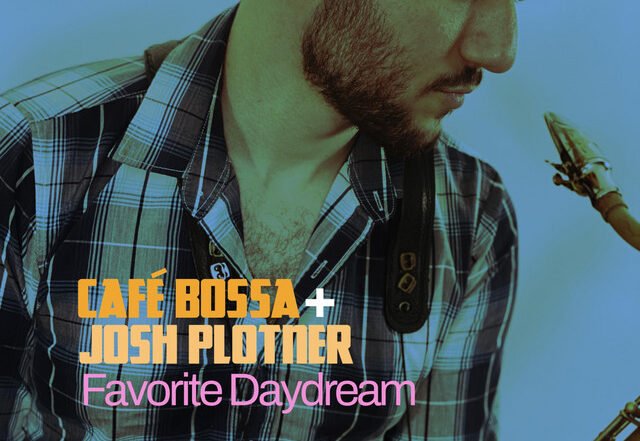
Café Bossa – Favorite Daydream (Instrumental)
“Guitar riff in the background and the lead saxophone theme set the tone of the song instantly. Smooth groove in the background is layering the mood just right with easy listening atmosphere. Song is full of sunny vibes, that makes you closer to the sea. ”
-Nagamag.com
Track Sources:
Spotify: https://open.spotify.com/track/4c4SuvMITTAe0fbMIUjjsa
Youtube: https://www.youtube.com/watch?v=ihXnNWERlyo
Apple Music: https://music.apple.com/us/album/favorite-daydream-instrumental/1587954227?i=1587954228
Deezer: https://www.deezer.com/track/1508163012
Latest Jazz discoveries

Music Review: Benita Haastrup – Boogaloo for Bees | Jazz Release
Η ιδιαίτερη και κεφάτη μελωδία δημιουργεί από την αρχή ευχάριστα συναισθήματα και διάθεση να αφεθούμε στην διασκεδαστική επιρ... >>> Read full review & listen to the song on Nagamag #jazz #benitahaastrup #denmark #nagamag #musicmagazine #musicreview #review
Jazz Review: The Beard and the Bird – My Dearest Eloise
Με κομψές και εκλεπτυσμένες χορευτικές κινήσεις απολαμβάνουμε την όμορφη αυτή μελωδία κάτω από τον έναστρο ουρανό. Η αγάπη εί... >>> Read full review & listen to the song on Nagamag #jazz #folk #thebeardandthebird #unitedstates #nagamag #musicmagazine #musicreview #review
Song Critique Susan Hinkson – Rhode Island is Famous for You | Review
Εκλεπτυσμένα και επιδέξια η μελωδία μας αρπάζει από την μέση και μας καλεί σε ένα υπέροχο μαγικό χορό. Δεν μπορούμε παρά να π... >>> Read full review & listen to the song on Nagamag #jazz #susanhinkson #unitedstates #nagamag #musicmagazine #musicreview #review

Single Review: Superkoloritas – Širdie | Listen to Jazz
Τα ωραία τολμηρά αγγίγματα της μελωδίας σε κάνουν να λικνίζεσαι και να νιώθεις την θετική τους ενέργεια να σε διαπερνά. Τα φω... >>> Read full review & listen to the song on Nagamag #funk #disco #afrobeats #afropop #afrofusion #superkoloritas #lithuania #nagamag #musicmagazine #musicreview #review
Fresh Find Review: “Winterstrings” by The Transpoetics – | Jazz Song
Η εκλεπτυσμένη και απαλή μελωδία ανεβάζει το επίπεδο της διασκέδασης και ηρεμεί τις αισθήσεις μας. Τα γοητευτικά φωνητικά με ... >>> Read full review & listen to the song on Nagamag #jazzfusion #adultcontemporary #thetranspoetics #netherlands #nagamag #musicmagazine #musicreview #review
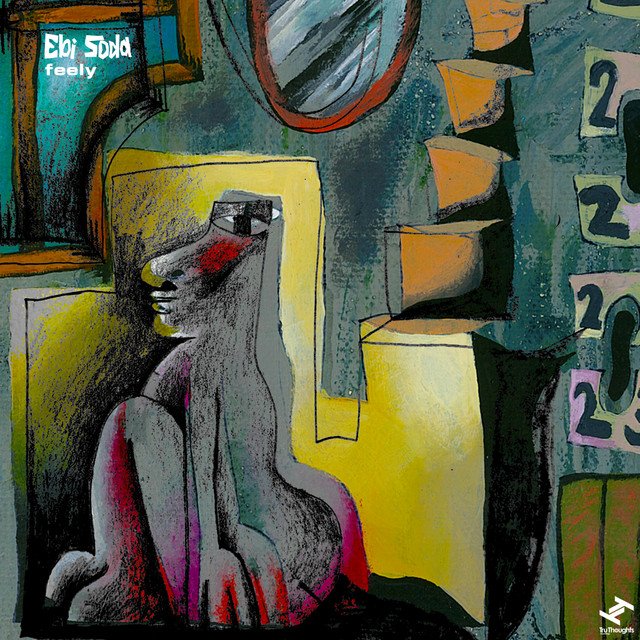
Composition Critique: “feely” by Ebi Soda | Jazz Review
Διακριτικά και εκλεπτυσμένα η μελωδία ρίχνει ένα πέπλο μυστηρίου αλλά και μαγείας που τόσο μας γοητεύει και μας παρασύρει. Ο ... >>> Read full review & listen to the song on Nagamag #nujazz #jazztronica #jazzfusion #ambient #ebisoda #unitedkingdom #nagamag #musicmagazine #musicreview #review
Release Critique: “Nightpath” by Love Unfold The Sun | Jazz Review
Η ωραία και ταξιδιάρικη μελωδία δημιουργεί μια ευχάριστη ατμόσφαιρα. Οι επιδέξιες εναλλαγές της κρατούν το ενδιαφέρον αμείωτο... >>> Read full review & listen to the song on Nagamag #jazz #worldmusicmiddleeastern #northafrican #loveunfoldthesun #unitedstates #nagamag #musicmagazine #musicreview #review
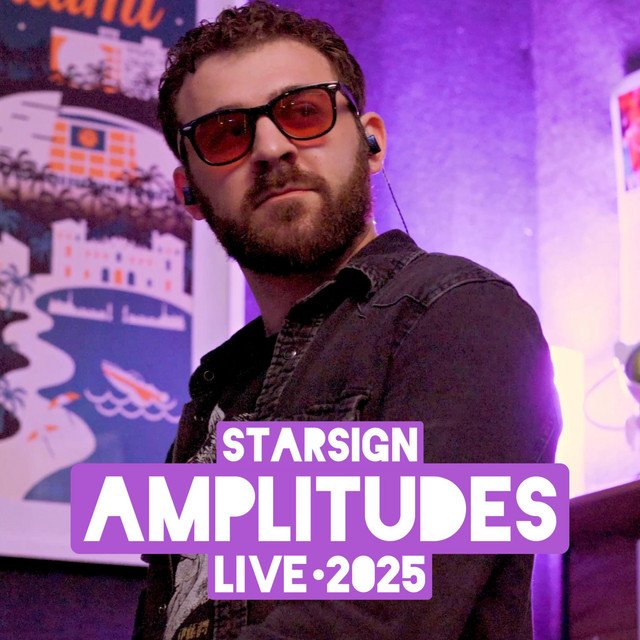
Jazz Review: “Amplitudes (Live 2025)” by Starsign
Απαλά και διακριτικά η μελωδία μας βάζει μέσα στο συναίσθημά της και στα σημεία κορύφωσης της γινόμαστε ένα μαζί της. Αισθησι... >>> Read full review & listen to the song on Nagamag #nujazz #jazztronica #jazzfusion #jazz #starsign #unitedstates #nagamag #musicmagazine #musicreview #review

Jazz Review: Sugar Bomb – IDK
Η απαλή και ευκίνητη μελωδία μεταφέρει τη σκέψη σου σε όμορφα και ειδυλλιακά τοπία. Το αισθησιακό άγγιγμα της ζεσταίνει την ψ... >>> Read full review & listen to the song on Nagamag #nujazz #jazztronica #jazzfusion #studybeats #jazzhop #chillhop #sugarbomb #unitedstates #nagamag #musicmagazine #musicreview #review
Some Jazz subgenres
There are many subgenres of jazz, and the boundaries between them can be somewhat fluid. Here are a few of the most common subgenres of jazz:
Dixieland jazz: Also known as “traditional” or “New Orleans” jazz, this style is characterized by its use of collective improvisation and a strong rhythm section, featuring instruments such as the trumpet, trombone, and clarinet.
Swing: This style emerged in the 1930s and 1940s and is characterized by its use of a swinging rhythm and big band instrumentation. It was popularized by bands led by musicians such as Duke Ellington and Benny Goodman.
Bebop: This style emerged in the 1940s and is characterized by its fast tempo, complex chord progressions, and extensive use of improvisation. It was popularized by musicians such as Charlie Parker and Dizzy Gillespie.
Cool jazz: This style emerged in the 1950s and is characterized by its use of complex harmonies and a laid-back, relaxed approach to rhythm. It was popularized by musicians such as Miles Davis and Dave Brubeck.
Fusion: This style emerged in the 1970s and is characterized by its incorporation of elements from other genres of music, such as rock, funk, and world music. It was popularized by musicians such as John McLaughlin and Chick Corea.
Smooth jazz: This style emerged in the 1980s and is characterized by its use of electronic instrumentation and a focus on melody and groove. It was popularized by musicians such as George Benson and Grover Washington Jr.
Hard bop: This style emerged in the 1950s and is characterized by its use of blues and gospel influences and its incorporation of elements from bebop and swing. It was popularized by musicians such as Horace Silver and Art Blakey.
Free jazz: This style emerged in the 1960s and is characterized by its use of extended improvisation and a lack of strict chord progressions or other formal structures. It was popularized by musicians such as Ornette Coleman and John Coltrane.
Latin jazz: This style is characterized by its incorporation of Latin American rhythms and melodies, as well as its use of percussion instruments such as congas, timbales, and bongos. It was popularized by musicians such as Tito Puente and Cal Tjader.
Acid jazz: This style emerged in the 1980s and is characterized by its incorporation of elements from funk, soul, and hip hop, as well as its use of electronic instrumentation. It was popularized by musicians such as Brand New Heavies and Jamiroquai.
Jazz-rock: This style emerged in the 1970s and is characterized by its incorporation of elements from rock music and its use of electric instruments. It was popularized by musicians such as Mahavishnu Orchestra and Weather Report.
Jazz-funk: This style is characterized by its incorporation of elements from funk music and its use of electric instruments and groove-based rhythms. It was popularized by musicians such as James Brown and George Clinton.
As with any genre of music, these subgenres are just a few of the many that exist within the broader category of jazz. There are many other styles and variations within jazz.
The most used instruments in Jazz Music
There are many different instruments that are commonly used in jazz music, and the specific instruments used can vary depending on the style and context of the music. Here are a few of the most common instruments used in jazz:
Piano: The piano is a common instrument in jazz music and is often used to provide the harmonic foundation for the music. Jazz pianists may use a range of techniques, including comping (providing chordal accompaniment), soloing (performing a melodic solo), and improvising (creating music spontaneously).
Drums: The drums are an important part of the rhythm section in jazz music and are often used to create a swinging or groove-based feel. Jazz drummers may use a range of techniques, including various stick and cymbal patterns, to create complex rhythms and interactive interactions with other musicians.
Bass: The bass is another important part of the rhythm section in jazz music and is often used to provide the foundation for the music. Jazz bassists may use a range of techniques, including walking bass lines (a repeating pattern of notes played over the chord progression of a song) and soloing, to create a strong rhythmic and melodic foundation for the music.
Guitar: The guitar is often used in jazz music and can play a variety of roles, from providing chordal accompaniment to soloing. Jazz guitarists may use a range of techniques, including chord voicings (arrangements of notes in a chord), arpeggios (broken chords played one note at a time), and improvisation, to create complex and interesting musical textures.
Saxophone: The saxophone is a common instrument in jazz music and is often used to play melodies and improvise solos. Jazz saxophonists may use a range of techniques, including alternate fingerings, multiphonics (playing more than one pitch at a time), and circular breathing (a technique for continuous blowing), to create a wide range of sounds and textures.
Vocals: Vocals are often used in jazz music, and many jazz singers have made significant contributions to the genre. Jazz vocals can take many forms, ranging from scat singing (improvised vocalizations using nonsense syllables) to more traditional vocal styles such as singing with lyrics. Some famous jazz singers include Billie Holiday, Ella Fitzgerald, and Louis Armstrong, all of whom are known for their unique vocal styles and ability to improvise.
In addition to traditional vocals, many jazz musicians also use electronic effects and processing to manipulate their voices, creating a wide range of sounds and textures. Some jazz musicians, such as Bobby McFerrin and Gregory Porter, have made significant contributions to the genre using only their voices, without any accompanying instruments.
In jazz music, lyrics are often used in the same way as in other genres of music, to express emotions, tell a story, or convey a message. However, jazz lyrics may also be used to create a structure for improvisation or to provide a basis for scat singing, which is a form of vocal improvisation in which the singer uses nonsense syllables instead of actual words.
Jazz lyrics may also be more abstract and poetic than lyrics in other genres of music, and may use figurative language or symbolism to convey meaning. Jazz lyrics often reflect the social and cultural contexts in which the music was created, and may address themes such as love, loss, hope, and social or political issues.
Overall, vocals and the meaning of lyrics in jazz music depends on the context in which they are used and the intentions of the songwriter. They can be used to express emotions, tell a story, convey a message, or provide a structure for the music to follow.