
Jazz Music ⁞ New Releases⁞ Artist Interviews⁞ Music News
Introduction of Jazz Music
Jazz is a genre of music that originated in the African-American communities of New Orleans, United States, in the late 19th and early 20th centuries. It is characterized by its use of improvisation, complex harmonic structures, and a wide range of musical influences, including blues, gospel, and European classical music. Jazz is known for its swing rhythm, which is created by the use of syncopated rhythms and a strong pulse. It is often played by small ensembles, such as a quintet or sextet, and is known for its ability to adapt to a wide range of musical contexts and styles. Jazz has had a significant influence on many other genres of music, and has been an important part of the cultural fabric of the United States and the rest of the world for more than a century.
Jazz by Nagamag Playlist on Spotify
Recent Jazz Interviews
Jazz Featured Releases
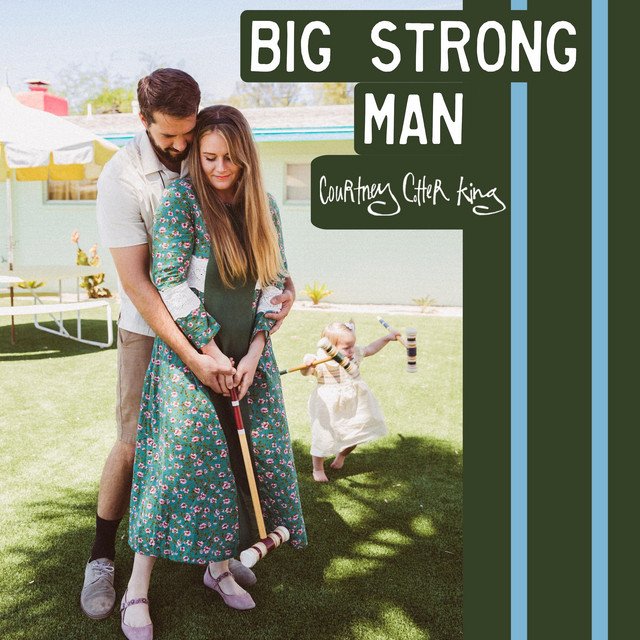
Courtney Cotter King – Big Strong Man (Spotify)
“Euphoria. This is one of those sensations, where moments in our lives are closely intertwined with music - for the sake of it worth living. The combination of the genre of Bossa Nova and velvet vocals create a perfectly special, at the level of the subconscious, real magic sound atmosphere.”
“Эйфория. Это одно из тех ощущений, те самые минуты в нашей жизни, которые тесно переплетены с музыкой — ради этого стоило и стоит жить. Сочетание жанра Bossa Nova и бархатного вокала создают совершенно особенную, на уровне подсознания, настоящую магию звука.”
-Nagamag.com
Big Strong Man is a playful tribute to masculinity creating a lovely backdrop for femininity. “Light as a feather, when we’re together” is how she feels against his “gentle giant, nice grizzly bear” frame. Syncopated percussion, flirty echos and horns resembling early Fiona Apple, set the scene for Courtney’s vocal personality to come through in this jazzy number. Ultimately written for her tall, handsome husband; Courtney hopes it can boost a lot of guys out there and promote brands that serve the individual strengths of women and men.
https://www.facebook.com/courtneycotterkingmusic
https://www.instagram.com/courtneycotterking/
Anton Commissaris – Love Is Like the Blues (Spotify)
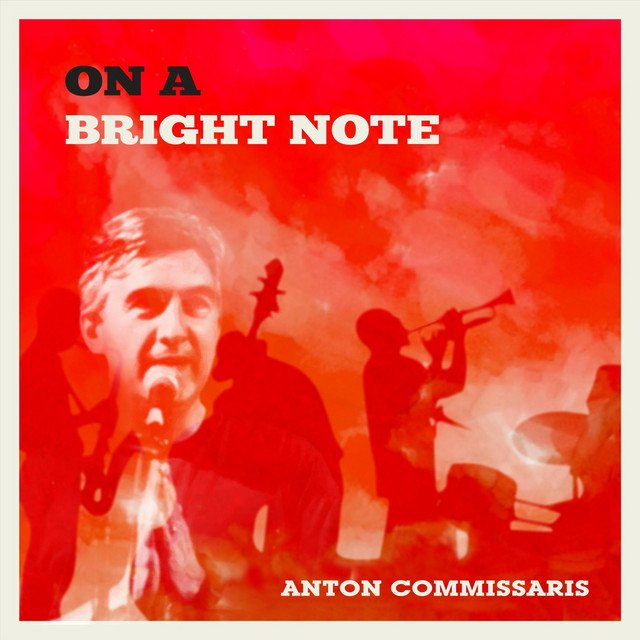
“Low light, ringing crystal glasses, whispers at the next table and as background the music of -Anton Commissaris - Love Is Like The Blues-. Light background blues, virtuoso performance and a whole bouquet of impressions. The best thing you can wish at the end of a hard day.”
“Приглушённый свет, звон хрустальных бокалов, шепот за соседним столиком и музыка -Anton Commissaris - Love Is Like the Blues-. Лёгкий фоновый блюз, виртуозное исполнение и целый букет впечатлений. Лучшее, что можно себе пожелать в завершение дня. ”
-Nagamag.com
A song about a guy who's never going to get what he needs from a gal he's madly in love with. For him, love is like the blues.
https://antoncommissaris.bandcamp.com
https://twitter.com/antoniusego
https://www.facebook.com/anton.commissaris
https://www.instagram.com/antoncego/
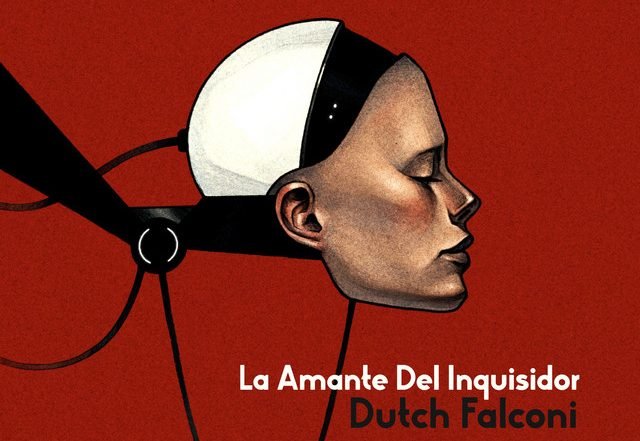
Dutch Falconi – La Amante Del Inquisidor (Spotify)
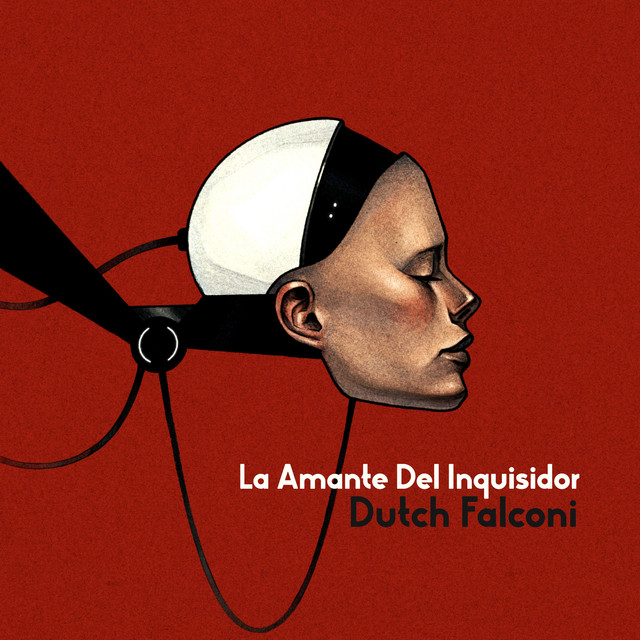
“-La amante del Inquisidor- made from soft and very pleasant percussion, jazz elements and live music. All this is really sedative for the soul. It happens that you do not know what to expect from the next portion of this being revered by many genres, but this composition is acting in a special way. Unforgettable impression!”
“-La Amante Del Inquisidor- мягкая и очень приятная перкуссия, джазовые элементы, живая музыка, всё это настоящее успокоительное для души. Бывает, что не знаешь чего ожидать от очередной порции этого почитаемого многими жанра, но эта композиция воздействует особым образом. Незабываемое впечатление!”
-Nagamag.com
Composer Dutch Falconi’s sophomore solo album, Curious Fabrications, out on Aurore Records July 23rd, is a sonic sleight of hand. It’s a film noir-ish adventure set in the big, cold, naked city, with the songs functioning as a roadmap for the intrepid listener to follow. Each track is a puzzle piece in the unfolding of the listener’s personalized narrative, one motivated by the fruitful ambiguity of the music. Is it a crime you’re solving? Probably. Are there clues? Everywhere. Are there dangerous and sexy characters to encounter? You bet. Hang onto your seats.
https://www.facebook.com/DutchFalconiMusician/
“I hope the pieces themselves lead to narratives conjured up in the mind of the listener. I prefer an unfixed perspective with music where the listener participates by bringing their own imagination to the pieces, and that contributes to their perception of the album. They’re part of the ensemble that way,” the Sacramento, California-based artist shares.
In the heyday of the 1990’s swing revival movement, Dutch led The Dutch Falconi Orchestra, a 27-piece swing orchestra juggernaut, replete with go-go dancers. From 1989-2000, he was the band’s benevolent dictator and composer, conductor, mechanic, bank and therapist. The small city of a group made 3 three records and shared stages with the big cats of the day like Cherry Poppin’ Daddies and the Royal Crown Revue. Dutch retired from the bandstand to pursue other creative ventures outside of music, but in 2020 resurfaced with a clutch of singles and a wildly eclectic solo debut, Bloom & Brimstone.
http://instagram.com/dutchfalconi
Curious Fabrications builds upon the success of his first solo bow, and like that album Dutch is the sole writer, player/performer, and producer. The similarities stop there. In keeping with the overarching theme of fruitful ambiguity, Dutch has created a swing album where nearly everything is synthetic and virtual with a tiny tidbit of Dutch’s actual playing. This album is a showcase for Dutch’s original swing era compositions, his flamboyant musicality, and his fearless imagination.
The single, La Amante Del Inquisidor, slinks forth with theatrical flair. The song exudes a hard-to-pin-down ethnic quality, and instead of being an appropriation, it is a melting pot of sounds. The tune boasts a vaguely klezmer melody set into a mildly Spanish flamenco framework performed with 40’s Latin dance band instrumentation. It’s an intriguing mélange of cultures and sounds that could possibly only come to fruition while twiddling one’s thumbs during pandemic downtime. “For me, the lockdown brought the delicious opportunity to stretch out,” Dutch shares. “I had the luxury of time to experiment. I frequently set out to reorder and recombine elements from tangentially related styles. The intention was to hit on some crooked math, like, 1+1+1=4, where the sum of the parts might make something surprising and unexpected. Something beautiful, wild and curious while being charged with passion and mystery.”
http://dutchfalconi.com/
Latest Jazz discoveries
If You Let Me – THISISSHEBA x Cam Be x Neak
Ωραία φωνητικά που επιβάλλονται και κυριαρχούν στο κομμάτι, ξεδιπλώνοντας με επιτυχία τις ικανότητες τους Ο ανήσυχος ρυθμός α... >>> Read full review & listen to the song on Nagamag #neosoul #contemporaryrnb #hiphop #conscioushiphop #thisisshebaxcambexneak #thisisshebaxcambexneak #unitedstates #ghana #nagamag #musicmagazine #musicreview #review

HEMI – Orlando & the Rumors
Η όμορφη μελωδία πραγματικά ξεκουράζει το μυαλό με την απόλυτη αρμονία της και τα διακριτικά αγγίγματα της. Δεν θα μπορούσαν ... >>> Read full review & listen to the song on Nagamag #neosoul #orlando #therumors #unitedstates #nagamag #musicmagazine #musicreview #review
Kickback – Dry
Όμορφα και αισθησιακά απλώνεται η μελωδία στο χώρο και επιδέξια ρέει μέσα μας κάνοντας μας να λικνιζόμαστε ανέμελα. Η καθαρή ... >>> Read full review & listen to the song on Nagamag #funk #nujazz #jazztronica #jazzfusion #dry #unitedstates #nagamag #musicmagazine #musicreview #review

Blues Tune – Live – Bastian Weinig
Ένα ξεχωριστό και παιχνιδιάρικο κομμάτι με την μελωδία να στήνει μια γιορτή με επιδέξιο και διακριτικό τρόπο. Αισιόδοξα και θ... >>> Read full review & listen to the song on Nagamag #jazz #bastianweinig #germany #nagamag #musicmagazine #musicreview #review

Nightrider – deathbypeanuts x NanaBcool x Selassie x Dexter Francis Mason
Техника исполнения варьируется от легких, джазовых аккордов до мелодичного, нежного Neo-Soul и R&B звучания. -Nightrider- это... >>> Read full review & listen to the song on Nagamag #neosoul #contemporaryrnb #deathbypeanutsxnanabcoolxselassiexdexterfrancismason #deathbypeanutsxnanabcoolxselassiexdexterfrancismason #unitedstates #germany #nagamag #musicmagazine #musicreview #review

The Blues Ain’t What It’s All Cracked Up To Be – David Perry
Καθισμένοι ο ένας δίπλα στον άλλο μια χειμωνιάτικη βραδιά διστακτικοί λικνιζόμαστε με την όμορφη μελωδία. Τα ευχάριστα φωνητι... >>> Read full review & listen to the song on Nagamag #blues #davidperry #unitedstates #nagamag #musicmagazine #musicreview #review

Butterflies In My Chest – OSTAP
Η χαρά και η ευτυχία είναι χαραγμένη στο πρόσωπο μου καθώς αυτή η υπέροχη μελωδία με ακολουθεί. Η θετική ενέργεια της μου λέε... >>> Read full review & listen to the song on Nagamag #neosoul #contemporaryrnb #adultcontemporary #ostap #kazakhstan #nagamag #musicmagazine #musicreview #review
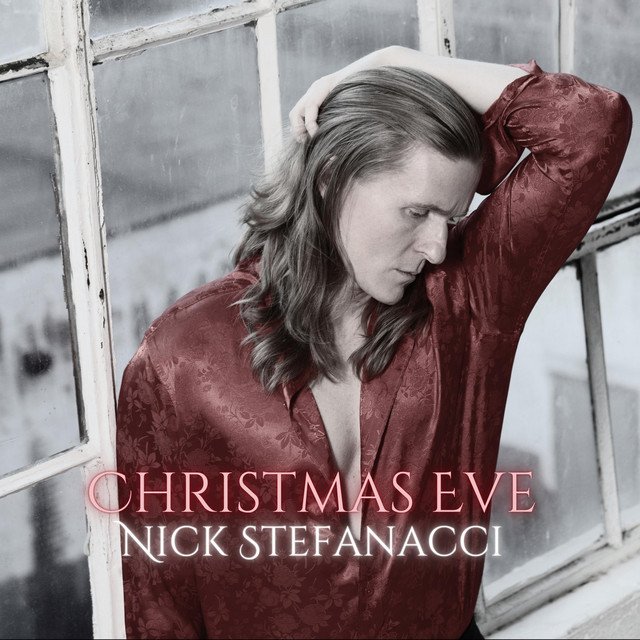
Christmas Eve (Instrumental) – Nick Stefanacci
Το ήρεμο άγγιγμα του σαξοφώνου σε γοητεύει και σε ελκύει από την πρώτη στιγμή. Διακριτικά και επιδέξια η μελωδία σου προσφέρε... >>> Read full review & listen to the song on Nagamag #nujazz #jazztronica #jazzfusion #nickstefanacci #unitedstates #nagamag #musicmagazine #musicreview #review
St. Joseph – Bitterroot
Song is so catchy, with very addictive melodies and beautiful lead vocal. It style feels like an homage to the older sounds, ... >>> Read full review & listen to the song on Nagamag #blues #folkrock #americana #bitterroot #unitedstates #nagamag #musicmagazine #musicreview #review
Some Jazz subgenres
There are many subgenres of jazz, and the boundaries between them can be somewhat fluid. Here are a few of the most common subgenres of jazz:
Dixieland jazz: Also known as “traditional” or “New Orleans” jazz, this style is characterized by its use of collective improvisation and a strong rhythm section, featuring instruments such as the trumpet, trombone, and clarinet.
Swing: This style emerged in the 1930s and 1940s and is characterized by its use of a swinging rhythm and big band instrumentation. It was popularized by bands led by musicians such as Duke Ellington and Benny Goodman.
Bebop: This style emerged in the 1940s and is characterized by its fast tempo, complex chord progressions, and extensive use of improvisation. It was popularized by musicians such as Charlie Parker and Dizzy Gillespie.
Cool jazz: This style emerged in the 1950s and is characterized by its use of complex harmonies and a laid-back, relaxed approach to rhythm. It was popularized by musicians such as Miles Davis and Dave Brubeck.
Fusion: This style emerged in the 1970s and is characterized by its incorporation of elements from other genres of music, such as rock, funk, and world music. It was popularized by musicians such as John McLaughlin and Chick Corea.
Smooth jazz: This style emerged in the 1980s and is characterized by its use of electronic instrumentation and a focus on melody and groove. It was popularized by musicians such as George Benson and Grover Washington Jr.
Hard bop: This style emerged in the 1950s and is characterized by its use of blues and gospel influences and its incorporation of elements from bebop and swing. It was popularized by musicians such as Horace Silver and Art Blakey.
Free jazz: This style emerged in the 1960s and is characterized by its use of extended improvisation and a lack of strict chord progressions or other formal structures. It was popularized by musicians such as Ornette Coleman and John Coltrane.
Latin jazz: This style is characterized by its incorporation of Latin American rhythms and melodies, as well as its use of percussion instruments such as congas, timbales, and bongos. It was popularized by musicians such as Tito Puente and Cal Tjader.
Acid jazz: This style emerged in the 1980s and is characterized by its incorporation of elements from funk, soul, and hip hop, as well as its use of electronic instrumentation. It was popularized by musicians such as Brand New Heavies and Jamiroquai.
Jazz-rock: This style emerged in the 1970s and is characterized by its incorporation of elements from rock music and its use of electric instruments. It was popularized by musicians such as Mahavishnu Orchestra and Weather Report.
Jazz-funk: This style is characterized by its incorporation of elements from funk music and its use of electric instruments and groove-based rhythms. It was popularized by musicians such as James Brown and George Clinton.
As with any genre of music, these subgenres are just a few of the many that exist within the broader category of jazz. There are many other styles and variations within jazz.
The most used instruments in Jazz Music
There are many different instruments that are commonly used in jazz music, and the specific instruments used can vary depending on the style and context of the music. Here are a few of the most common instruments used in jazz:
Piano: The piano is a common instrument in jazz music and is often used to provide the harmonic foundation for the music. Jazz pianists may use a range of techniques, including comping (providing chordal accompaniment), soloing (performing a melodic solo), and improvising (creating music spontaneously).
Drums: The drums are an important part of the rhythm section in jazz music and are often used to create a swinging or groove-based feel. Jazz drummers may use a range of techniques, including various stick and cymbal patterns, to create complex rhythms and interactive interactions with other musicians.
Bass: The bass is another important part of the rhythm section in jazz music and is often used to provide the foundation for the music. Jazz bassists may use a range of techniques, including walking bass lines (a repeating pattern of notes played over the chord progression of a song) and soloing, to create a strong rhythmic and melodic foundation for the music.
Guitar: The guitar is often used in jazz music and can play a variety of roles, from providing chordal accompaniment to soloing. Jazz guitarists may use a range of techniques, including chord voicings (arrangements of notes in a chord), arpeggios (broken chords played one note at a time), and improvisation, to create complex and interesting musical textures.
Saxophone: The saxophone is a common instrument in jazz music and is often used to play melodies and improvise solos. Jazz saxophonists may use a range of techniques, including alternate fingerings, multiphonics (playing more than one pitch at a time), and circular breathing (a technique for continuous blowing), to create a wide range of sounds and textures.
Vocals: Vocals are often used in jazz music, and many jazz singers have made significant contributions to the genre. Jazz vocals can take many forms, ranging from scat singing (improvised vocalizations using nonsense syllables) to more traditional vocal styles such as singing with lyrics. Some famous jazz singers include Billie Holiday, Ella Fitzgerald, and Louis Armstrong, all of whom are known for their unique vocal styles and ability to improvise.
In addition to traditional vocals, many jazz musicians also use electronic effects and processing to manipulate their voices, creating a wide range of sounds and textures. Some jazz musicians, such as Bobby McFerrin and Gregory Porter, have made significant contributions to the genre using only their voices, without any accompanying instruments.
In jazz music, lyrics are often used in the same way as in other genres of music, to express emotions, tell a story, or convey a message. However, jazz lyrics may also be used to create a structure for improvisation or to provide a basis for scat singing, which is a form of vocal improvisation in which the singer uses nonsense syllables instead of actual words.
Jazz lyrics may also be more abstract and poetic than lyrics in other genres of music, and may use figurative language or symbolism to convey meaning. Jazz lyrics often reflect the social and cultural contexts in which the music was created, and may address themes such as love, loss, hope, and social or political issues.
Overall, vocals and the meaning of lyrics in jazz music depends on the context in which they are used and the intentions of the songwriter. They can be used to express emotions, tell a story, convey a message, or provide a structure for the music to follow.