
Jazz Music ⁞ New Releases⁞ Artist Interviews⁞ Music News
Introduction of Jazz Music
Jazz is a genre of music that originated in the African-American communities of New Orleans, United States, in the late 19th and early 20th centuries. It is characterized by its use of improvisation, complex harmonic structures, and a wide range of musical influences, including blues, gospel, and European classical music. Jazz is known for its swing rhythm, which is created by the use of syncopated rhythms and a strong pulse. It is often played by small ensembles, such as a quintet or sextet, and is known for its ability to adapt to a wide range of musical contexts and styles. Jazz has had a significant influence on many other genres of music, and has been an important part of the cultural fabric of the United States and the rest of the world for more than a century.
Jazz by Nagamag Playlist on Spotify
Recent Jazz Interviews
Jazz Featured Releases
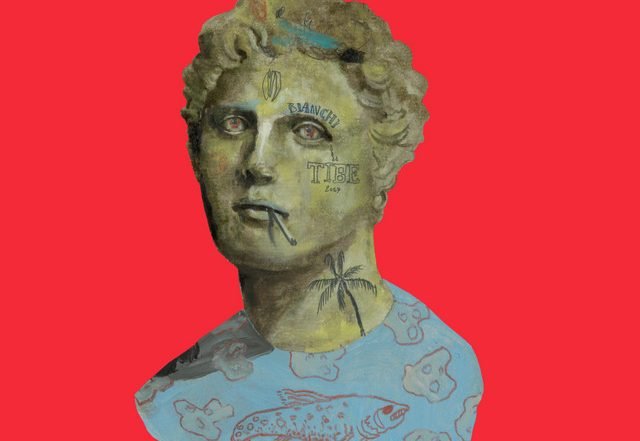
Tibe D’oro – X+x (Spotify)
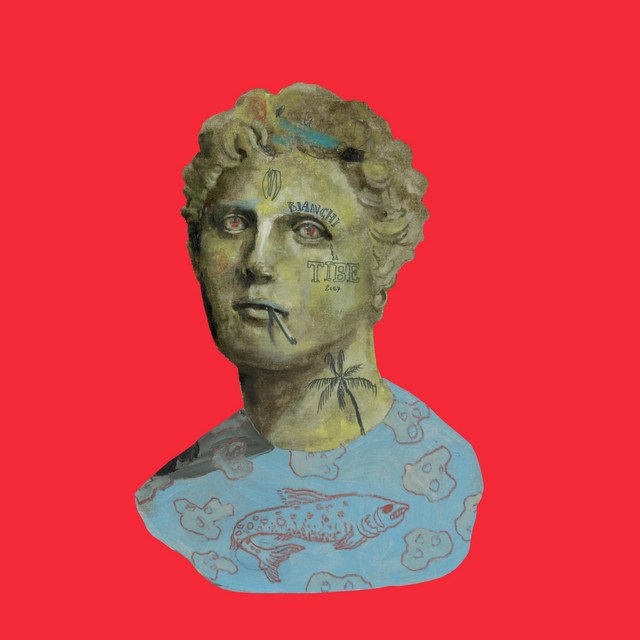
“The slightly detuned piano sections give this track a real sense of nostalgia, a sense of yearning. One of those songs where the main theme will stick in your mind for days. A gentle tug at your heart strings, a trip down memory lane, haunting memories of a place & people you loved. The tune successfully invokes all of these feelings & more.”
-Nagamag.com
Tibe D’Oro is the place of desire the Viennese Duo, Fabian Sialia and Leonard Cuscoleca, creates the sound for. In their music and composition process, they try to create a world as they feel it could or ought to be. The compositions draw from recordings from an artist mansion in North London that became a shrine for the local music scene. Singer-songwriter Amy Yon (vocals), and trumpeters Ludwig Ascher (Drahthaus) and Johnny Woodham (Alfa Mist), play with utmost freedom to a singular tempo and tune. A treasure trove of recordings allowing endless assembling emerged. The result are the three pieces X+X=1 closely interlinked through repeating and transforming elements.
Together with the work of the Vienesse Painter, Philip Mueller (Artwork, Vision of Tobe D’Oro), the compositions merge with the painter's image world depicting scenes from Tibe D’Oro.
Released on Fox Lane Music 2020

LHĒON – I Hate The Way That I Love You (Spotify)
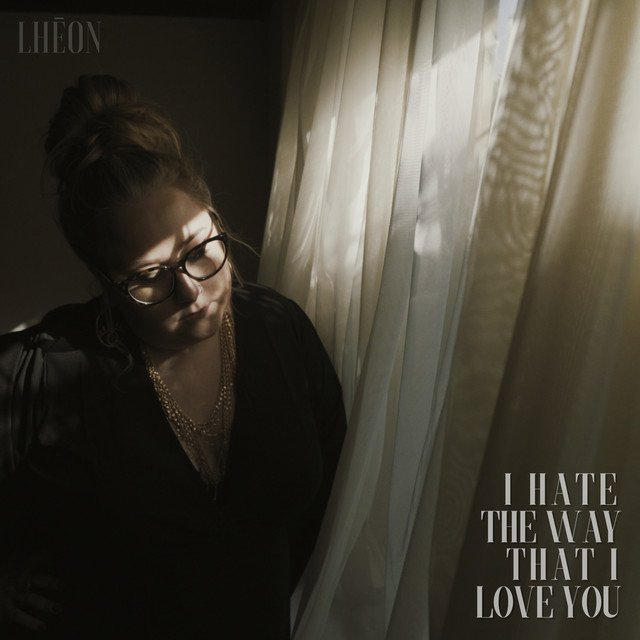
“-I Hate The Way That I Love You- was produced as very atmospheric, regarding the whole composition and its mood. There is a clear feeling that the author introduces her listener into a strong conceptual canvas. -Lhēon- vocals sound organically in the frame of the musical concept invented by her.”
“-I Hate The Way That I Love You- выдался весьма атмосферным, как по композиции в целом, так и по настроению. Создаётся явное ощущение, что автор вводит своего слушателя в сильное концептуальное полотно. Вокал -LHĒON- органично звучит в рамках придуманной автором музыкальной концепции.”
-Nagamag.com
Sweedish born, Melbourne based Neo-Soul singer-songwriter LHĒON has unveiled her brand new track, “I Hate The Way That I Love You”. Fiercely powerful, LHĒON is reaching new heights with her latest funk-tinged offering.
In striking contrast to her previous releases, the electrifying “I Hate The Way That I Love You” is jam packed with a stylish Motown inspired soundscape, topped off by the endlessly powerful and distinctive vocals of LHĒON. Written and produced by Lee Bradshaw, LHĒON brings her commanding presence to the expertly written track. Led by the constant drum beat, sassy hooks and a groove fuelled organ instrumentation, the vibrant anthemic nature of this offering has culminates in a punchy and exhilarating listen.
When asked about her new release LHĒON shared:
“IHTWILY is about the conflicting feelings of knowing someone is bad for you but still being unable to let go.”
Often compared to Adele, LHĒON’s unrelenting talent for conveying the most delicate of emotions in the most relatable yet aspirational way is what has helped her stand out. After the warm welcome to her debut EP, Full Disclosure Pt. I, and the release of the unforgettable “elique” and “pretend”, “I Hate The Way That I Love You” marks the beginning of a new sound with a new EP, Full Disclosure Pt. II.
https://www.facebook.com/iam.lheon
https://www.instagram.com/iam.lheon/
https://twitter.com/iamlheon
Sheboshka – See-Saw by the Shore (Spotify)
“Lyrical jazz composition and carefully constructed leisurely narrative. Colourful harmony, melody and soft light background instrumentation. At such moments, you realize that this music is a product of its time and that today it is, more than ever, important and urgent.”
“Лирическая джазовая композиция, в которой бережно построено неторопливое повествование. Красочная гармония, нежная мелодия и лёгкая фоновая инструментовка. В такие моменты осознаёшь, что подобная музыка продукт своего времени и именно сегодня она как никогда важна и актуальна.”
-Nagamag.com
Sheboshka create haunting songs that cross the divide between jazz, folk, and alt-country, speaking of love, longing, and leaving.
Latest Jazz discoveries
Jap Oni – André Pizarro Pepe
Amazing jazz song with smooth harmonic structure behind it. Full of catchy piano riffs, trumpet theme, funky vibe and smooth ... >>> Read full review & listen to the song on Nagamag #nujazz #jazztronica #jazzfusion #jazz #andrépizarropepe #portugal #nagamag #musicmagazine #musicreview #review

This Christmas – Lizzie Thomas
Amazing Christmas themed jazz song with smooth harmonic structure behind it. Blissful lead vocal is perfect and smooth subtle... >>> Read full review & listen to the song on Nagamag #jazz #lizziethomas #unitedstates #nagamag #musicmagazine #musicreview #review

Baby Don’t Go (Instrumental) – David Bluefield
Smooth mood and easy listening sounds that are layered with blissful instruments. Mixture of styles are done so well within t... >>> Read full review & listen to the song on Nagamag #funk #jazzfusion #davidbluefield #unitedstates #nagamag #musicmagazine #musicreview #review

Marionette – L.C. Franke
Old school vibe that hit you instantly with the first sounds, this song creates wonderful world of nostalgia. Marvelous lead ... >>> Read full review & listen to the song on Nagamag #jazz #cinematic #epicmusic #singersongwriter #lcfranke #unitedstates #nagamag #musicmagazine #musicreview #review

Miss Anonymous – fuseo
Ο γεμάτος ενέργεια και ζωντάνια ρυθμός σε ξεσηκώνει και το σώμα σου απελευθερώνεται μέσα από ένα ξέφρενο χορό. Η ψυχή σου βγά... >>> Read full review & listen to the song on Nagamag #funk #synthpop #classicrock #fuseo #germany #nagamag #musicmagazine #musicreview #review

Trump – Sloppy Scales
Really catchy song, with so addictive harmonic structure and interesting lead vocal. It feels almost hypnotic within its harm... >>> Read full review & listen to the song on Nagamag #blues #comedy #americana #sloppyscales #unitedstates #nagamag #musicmagazine #musicreview #review

Medellin – OOOTOKO
Удивительная и многогранная джазовая композиция, в которой такое множество звуковых граний! Инструментальные части плавно вды... >>> Read full review & listen to the song on Nagamag #jazzfusion #worldmusiclatin #hispanic #oootoko #belgium #nagamag #musicmagazine #musicreview #review

end of the night – Jason LaPierre x Ebony Loren
Η γλυκιά και ρομαντική μελωδία βγάζει προς τα έξω όλα τα καλά σου συναισθήματα και ζεσταίνει την καρδιά σου. Τα μοναδικά φωνη... >>> Read full review & listen to the song on Nagamag #alternative #indiernb #nujazz #jazztronica #jazz #jasonlapierrexebonyloren #jasonlapierrexebonyloren #unitedstates #nagamag #musicmagazine #musicreview #review
What Cannot Be Saved (Single Version) – Isabella Lundgren
Εκπληκτική μελωδία που απλώνεται στο χώρο σαν κύμα που βγαίνει νωχελικά στην ακτή. Τα αψεγάδιαστα φωνητικά σβήνουν την βουή τ... >>> Read full review & listen to the song on Nagamag #jazz #isabellalundgren #sweden #nagamag #musicmagazine #musicreview #review
Some Jazz subgenres
There are many subgenres of jazz, and the boundaries between them can be somewhat fluid. Here are a few of the most common subgenres of jazz:
Dixieland jazz: Also known as “traditional” or “New Orleans” jazz, this style is characterized by its use of collective improvisation and a strong rhythm section, featuring instruments such as the trumpet, trombone, and clarinet.
Swing: This style emerged in the 1930s and 1940s and is characterized by its use of a swinging rhythm and big band instrumentation. It was popularized by bands led by musicians such as Duke Ellington and Benny Goodman.
Bebop: This style emerged in the 1940s and is characterized by its fast tempo, complex chord progressions, and extensive use of improvisation. It was popularized by musicians such as Charlie Parker and Dizzy Gillespie.
Cool jazz: This style emerged in the 1950s and is characterized by its use of complex harmonies and a laid-back, relaxed approach to rhythm. It was popularized by musicians such as Miles Davis and Dave Brubeck.
Fusion: This style emerged in the 1970s and is characterized by its incorporation of elements from other genres of music, such as rock, funk, and world music. It was popularized by musicians such as John McLaughlin and Chick Corea.
Smooth jazz: This style emerged in the 1980s and is characterized by its use of electronic instrumentation and a focus on melody and groove. It was popularized by musicians such as George Benson and Grover Washington Jr.
Hard bop: This style emerged in the 1950s and is characterized by its use of blues and gospel influences and its incorporation of elements from bebop and swing. It was popularized by musicians such as Horace Silver and Art Blakey.
Free jazz: This style emerged in the 1960s and is characterized by its use of extended improvisation and a lack of strict chord progressions or other formal structures. It was popularized by musicians such as Ornette Coleman and John Coltrane.
Latin jazz: This style is characterized by its incorporation of Latin American rhythms and melodies, as well as its use of percussion instruments such as congas, timbales, and bongos. It was popularized by musicians such as Tito Puente and Cal Tjader.
Acid jazz: This style emerged in the 1980s and is characterized by its incorporation of elements from funk, soul, and hip hop, as well as its use of electronic instrumentation. It was popularized by musicians such as Brand New Heavies and Jamiroquai.
Jazz-rock: This style emerged in the 1970s and is characterized by its incorporation of elements from rock music and its use of electric instruments. It was popularized by musicians such as Mahavishnu Orchestra and Weather Report.
Jazz-funk: This style is characterized by its incorporation of elements from funk music and its use of electric instruments and groove-based rhythms. It was popularized by musicians such as James Brown and George Clinton.
As with any genre of music, these subgenres are just a few of the many that exist within the broader category of jazz. There are many other styles and variations within jazz.
The most used instruments in Jazz Music
There are many different instruments that are commonly used in jazz music, and the specific instruments used can vary depending on the style and context of the music. Here are a few of the most common instruments used in jazz:
Piano: The piano is a common instrument in jazz music and is often used to provide the harmonic foundation for the music. Jazz pianists may use a range of techniques, including comping (providing chordal accompaniment), soloing (performing a melodic solo), and improvising (creating music spontaneously).
Drums: The drums are an important part of the rhythm section in jazz music and are often used to create a swinging or groove-based feel. Jazz drummers may use a range of techniques, including various stick and cymbal patterns, to create complex rhythms and interactive interactions with other musicians.
Bass: The bass is another important part of the rhythm section in jazz music and is often used to provide the foundation for the music. Jazz bassists may use a range of techniques, including walking bass lines (a repeating pattern of notes played over the chord progression of a song) and soloing, to create a strong rhythmic and melodic foundation for the music.
Guitar: The guitar is often used in jazz music and can play a variety of roles, from providing chordal accompaniment to soloing. Jazz guitarists may use a range of techniques, including chord voicings (arrangements of notes in a chord), arpeggios (broken chords played one note at a time), and improvisation, to create complex and interesting musical textures.
Saxophone: The saxophone is a common instrument in jazz music and is often used to play melodies and improvise solos. Jazz saxophonists may use a range of techniques, including alternate fingerings, multiphonics (playing more than one pitch at a time), and circular breathing (a technique for continuous blowing), to create a wide range of sounds and textures.
Vocals: Vocals are often used in jazz music, and many jazz singers have made significant contributions to the genre. Jazz vocals can take many forms, ranging from scat singing (improvised vocalizations using nonsense syllables) to more traditional vocal styles such as singing with lyrics. Some famous jazz singers include Billie Holiday, Ella Fitzgerald, and Louis Armstrong, all of whom are known for their unique vocal styles and ability to improvise.
In addition to traditional vocals, many jazz musicians also use electronic effects and processing to manipulate their voices, creating a wide range of sounds and textures. Some jazz musicians, such as Bobby McFerrin and Gregory Porter, have made significant contributions to the genre using only their voices, without any accompanying instruments.
In jazz music, lyrics are often used in the same way as in other genres of music, to express emotions, tell a story, or convey a message. However, jazz lyrics may also be used to create a structure for improvisation or to provide a basis for scat singing, which is a form of vocal improvisation in which the singer uses nonsense syllables instead of actual words.
Jazz lyrics may also be more abstract and poetic than lyrics in other genres of music, and may use figurative language or symbolism to convey meaning. Jazz lyrics often reflect the social and cultural contexts in which the music was created, and may address themes such as love, loss, hope, and social or political issues.
Overall, vocals and the meaning of lyrics in jazz music depends on the context in which they are used and the intentions of the songwriter. They can be used to express emotions, tell a story, convey a message, or provide a structure for the music to follow.