
Jazz Music ⁞ New Releases⁞ Artist Interviews⁞ Music News
Introduction of Jazz Music
Jazz is a genre of music that originated in the African-American communities of New Orleans, United States, in the late 19th and early 20th centuries. It is characterized by its use of improvisation, complex harmonic structures, and a wide range of musical influences, including blues, gospel, and European classical music. Jazz is known for its swing rhythm, which is created by the use of syncopated rhythms and a strong pulse. It is often played by small ensembles, such as a quintet or sextet, and is known for its ability to adapt to a wide range of musical contexts and styles. Jazz has had a significant influence on many other genres of music, and has been an important part of the cultural fabric of the United States and the rest of the world for more than a century.
Jazz by Nagamag Playlist on Spotify
Recent Jazz Interviews
Jazz Featured Releases
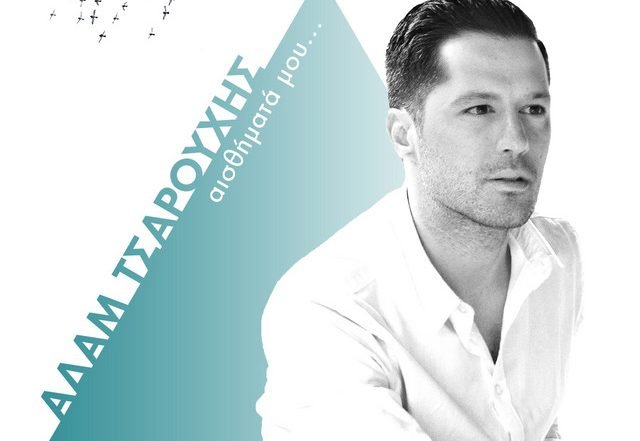
Adam Tsarouchis – Esthimata mou (Spotify)

“Our breath holds from the captivating voice of -Adam Tsarouchis- pouring an endless stream of his soul in our souls. His song -Esthimata mou- lays between Brazilian bossa nova and classical jazz. Exotic jewel of an exquisite compilation.”
“Дыхание перехватывает, когда пленительный голос -Adam Tsarouchis- льётся нескончаемым потоком из души в душу. Его песня -Esthimata mou- это танец жанров бразильского bossa nova и классического джаза. Диковинный бриллиант в изысканном ассортименте.”
-Nagamag.com
a Greek Latin bossa nova song
https://www.instagram.com/adamtsarouchis
https://www.youtube.com/channel/UC5cfNAD7gcHnxquTrdLQTPg
https://www.facebook.com/AdamtsarouchisOfficial
David Whitman – With Love (Spotify)
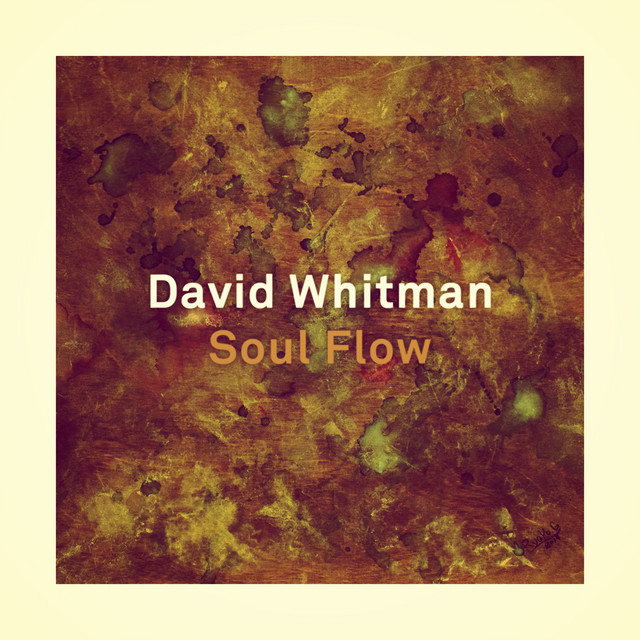
“Music David Whitman is a bouquet of passions and a deep, sincere respect for his work. The album Soul Flow is an example of defeating improvisations within the framework of Jazz, and ensemble percussion as an inventive element of hunting technical masterpieces.”
“Музыка David Whitman это букет из страсти и глубокого, искреннего уважения к своему творчеству. Альбом Soul Flow пример поразительной импровизации в рамках изысканного Джаза, а ансамблевая перкуссия как изумительный элемент ловкого технического мастерства.”
-Nagamag.com
This song received an Independent Music Award nomination for Best Instrumental Jazz Song. The album received two other IMA nominations and won four Global Music Awards. John Raymond, one of DownBeat magazines most watched young trumpet players, marvelously interprets the feature.
https://www.instagram.com/davidrobertwhitman/
David Whitman brings a passion and deep respect for the music to the stage wherever and whenever he performs. Praised for his versatility, he possesses a high level of skill across a broad range of percussion styles and ensemble situations. Critics provide affirmation ; “His spirit echoes the playing of Art Blakey,” and “his goal of capturing the high standards of … prestigious jazz labels is dazzlingly achieved,” with playing that is hailed as “swinging,” “mesmerizing,” and “invigorating,” with “mesmerizing brushwork,” “youthful exuberance,” and “deft technical skill.”
David’s first album as leader ("Oh, Clara!") was recently released on the North Park label to critical acclaim, winning an Independent Music Award for Best Instrumental Jazz Album in 2018, as well as a nomination for Best Producer. His second album as leader (“Soul Flow”) won four Global Music Awards (Production, Composition, Jazz, Album --- all Silver), and three additional Independent Music Award nominations (Best Jazz Song, Best Blues Song, and Best Producer).
David has also toured, performed, or recorded with The Who, Geoffrey Keezer, Peter Townshend, Jimmy Dorsey Orchestra, John Raymond, Johnny Mathis, Weird Al Yankovic, Roger Nierenburg, and so many more amazing artists.
https://twitter.com/whitmadr
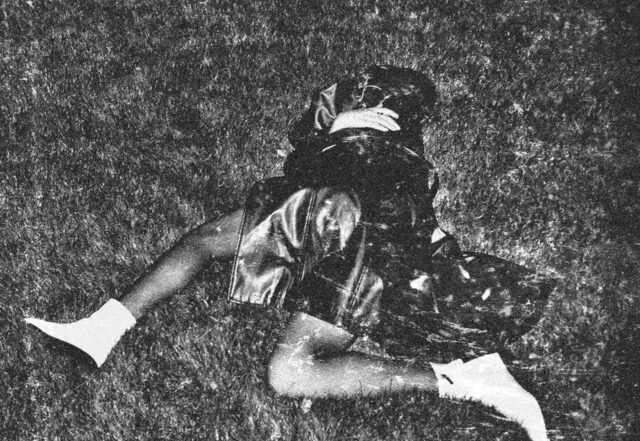
Eve Adams – A Walk in the Park (Spotify)

“Just as folk music brings together genres of music and people, so is Eve Adams doing with us in their composition A Walk in the Park. The unobtrusiveness and ease of being that unites our hearts.”
“Как фолк-музыка объединяет музыкальные жанры и людей, точно также и Eve Adams поступает с нами в своей композиции A Walk in the Park. Ненавязчивость и лёгкость бытия объединяющая наши сердца.”
-Nagamag.com
Independent jazzfolk artist Eve Adams follows her captivating "You're Not Wrong" single with her newest offering "A Walk In The Park," due out next week. As a captivating writer from Los Angeles who heralds the undying influence of 20th century Americana music, her folk-noir sound tells stories of "dark, domestic dramas unfolding behind closed doors, equal parts violence and romance."
"Just like a walk in the park, we can go on and on," Adams croons in the opening line of her new single. Delicate and naive vocals are accompanied by a jazzy bass line, dramatic, tumbling organ and hazy percussion. The song seems to creep in from down a dark hallway, where a woozy pair of high heels tap on the sticky linoleum floor. Eve questions fate in this new track and shares, "Romance can be such a perfect distraction. It's a shame it doesn't last."
"To me, this song is about escaping into the fantasy of a new romance. Like the feeling of getting to know someone new, walking around in the dark, with nothing but the night to notice," she adds.
Eve spent her formative years traveling to and from her family farm in the tiny town of Colcord, Oklahoma. Inspired by the pastoral landscapes and the nuanced characters she grew up around, her whimsical tales depict a world that is familiar yet surreal, haunted by apparitions.
Eve's coming of age coincided with her departure to Montreal at the age of 18. A fortuitous meeting with saxophonist Military Genius led to the recording of her first album "In Hell" (2017)- Part I of their "Divine Romance" trilogy. While writing Part II, the blossoming creative relationship was cut short when Eve had to return to California due to a family crisis. During this time of uncertainty, Eve self-produced and released her second album "Candy Colored Doom" in 2019.
In the emotional wake of a tragedy, Eve rejoined Military Genius in Vancouver to finally complete the long-awaited Part II.
https://www.instagram.com/eve____adams/
Latest Jazz discoveries

Livin’ the Dream (feat. Poets of The Fall) – Ollie T
Ρυθμός γεμάτος πάθος και ενέργεια που δε σε αφήνει ασυγκίνητο ούτε στιγμή. Το ροκ ύφος της μελωδίας μας απογειώνει, ενώ τα τύ... >>> Read full review & listen to the song on Nagamag #funk #alternativerock #olliet #finland #nagamag #musicmagazine #musicreview #review
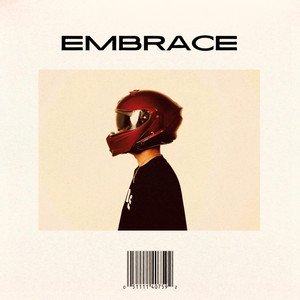
EMBRACE – Chazz G
Με το μοναδικό αισθησιακό χαρακτήρα τους τα φωνητικά ταξιδεύουν το μυαλό και την ψυχή σε ένα κόσμο ανάλαφρο και μαγικό. Η ατμ... >>> Read full review & listen to the song on Nagamag #alternative #indiernb #chazzg #unitedstates #nagamag #musicmagazine #musicreview #review
Ripples – Anton Dromberg & Anna Berglund
Seductive, sensual mood and atmosphere keeps gaining momentum as the song progresses. With every instrument arriving, it keep... >>> Read full review & listen to the song on Nagamag #nujazz #jazztronica #jazz #antondromberg #annaberglund #sweden #nagamag #musicmagazine #musicreview #review

Bones – Mak Ro
Soothing and easy listening sounds make this jazz song very enjoyable. Catchy themes and instruments fit so well, creating wo... >>> Read full review & listen to the song on Nagamag #neosoul #alternative #indiernb #makro #unitedstates #nagamag #musicmagazine #musicreview #review

So Long – Polyfunktional x Le – J – JAMES
Modern sound, seductive mood and atmosphere keeps gaining momentum as the song progresses. With every instrument arriving, it... >>> Read full review & listen to the song on Nagamag #neosoul #funk #nujazz #jazztronica #polyfunktionalxlejjames #polyfunktionalxlejjames #france #italy #nagamag #musicmagazine #musicreview #review
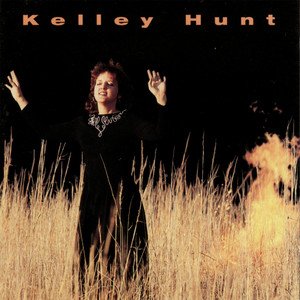
If I Don’t Dance – Kelley Hunt
The flow of the rhythm is so, so graceful. The guitar melody flows brilliantly, adding perfect part between verses and her am... >>> Read full review & listen to the song on Nagamag #blues #poprock #adultcontemporary #kelleyhunt #unitedstates #nagamag #musicmagazine #musicreview #review
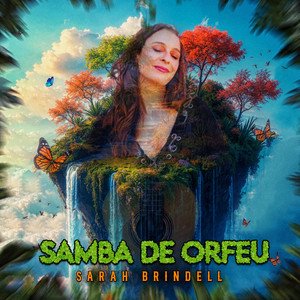
Samba De Orfeu – Sarah Brindell
Soothing and easy listening sounds make this jazz song very enjoyable. Catchy themes and her blissful voice fits so well, cre... >>> Read full review & listen to the song on Nagamag #jazz #bossanova #sarahbrindell #unitedstates #nagamag #musicmagazine #musicreview #review

Sunday in Venice – GONEBYMORNING
-Sunday in Venice- это целая вселенная чувств, где каждый слушатель может найти что-то свое. Это приглашение в путешествие по... >>> Read full review & listen to the song on Nagamag #disco #nudisco #gonebymorning #unitedstates #nagamag #musicmagazine #musicreview #review

Peace Groove – Peter Manheim
Amazing jazz song with smooth harmonic structure behind it. Full of blissful saxophone themes and smooth subtle rhythmic part... >>> Read full review & listen to the song on Nagamag #funk #nujazz #jazztronica #jazz #petermanheim #unitedstates #nagamag #musicmagazine #musicreview #review
Some Jazz subgenres
There are many subgenres of jazz, and the boundaries between them can be somewhat fluid. Here are a few of the most common subgenres of jazz:
Dixieland jazz: Also known as “traditional” or “New Orleans” jazz, this style is characterized by its use of collective improvisation and a strong rhythm section, featuring instruments such as the trumpet, trombone, and clarinet.
Swing: This style emerged in the 1930s and 1940s and is characterized by its use of a swinging rhythm and big band instrumentation. It was popularized by bands led by musicians such as Duke Ellington and Benny Goodman.
Bebop: This style emerged in the 1940s and is characterized by its fast tempo, complex chord progressions, and extensive use of improvisation. It was popularized by musicians such as Charlie Parker and Dizzy Gillespie.
Cool jazz: This style emerged in the 1950s and is characterized by its use of complex harmonies and a laid-back, relaxed approach to rhythm. It was popularized by musicians such as Miles Davis and Dave Brubeck.
Fusion: This style emerged in the 1970s and is characterized by its incorporation of elements from other genres of music, such as rock, funk, and world music. It was popularized by musicians such as John McLaughlin and Chick Corea.
Smooth jazz: This style emerged in the 1980s and is characterized by its use of electronic instrumentation and a focus on melody and groove. It was popularized by musicians such as George Benson and Grover Washington Jr.
Hard bop: This style emerged in the 1950s and is characterized by its use of blues and gospel influences and its incorporation of elements from bebop and swing. It was popularized by musicians such as Horace Silver and Art Blakey.
Free jazz: This style emerged in the 1960s and is characterized by its use of extended improvisation and a lack of strict chord progressions or other formal structures. It was popularized by musicians such as Ornette Coleman and John Coltrane.
Latin jazz: This style is characterized by its incorporation of Latin American rhythms and melodies, as well as its use of percussion instruments such as congas, timbales, and bongos. It was popularized by musicians such as Tito Puente and Cal Tjader.
Acid jazz: This style emerged in the 1980s and is characterized by its incorporation of elements from funk, soul, and hip hop, as well as its use of electronic instrumentation. It was popularized by musicians such as Brand New Heavies and Jamiroquai.
Jazz-rock: This style emerged in the 1970s and is characterized by its incorporation of elements from rock music and its use of electric instruments. It was popularized by musicians such as Mahavishnu Orchestra and Weather Report.
Jazz-funk: This style is characterized by its incorporation of elements from funk music and its use of electric instruments and groove-based rhythms. It was popularized by musicians such as James Brown and George Clinton.
As with any genre of music, these subgenres are just a few of the many that exist within the broader category of jazz. There are many other styles and variations within jazz.
The most used instruments in Jazz Music
There are many different instruments that are commonly used in jazz music, and the specific instruments used can vary depending on the style and context of the music. Here are a few of the most common instruments used in jazz:
Piano: The piano is a common instrument in jazz music and is often used to provide the harmonic foundation for the music. Jazz pianists may use a range of techniques, including comping (providing chordal accompaniment), soloing (performing a melodic solo), and improvising (creating music spontaneously).
Drums: The drums are an important part of the rhythm section in jazz music and are often used to create a swinging or groove-based feel. Jazz drummers may use a range of techniques, including various stick and cymbal patterns, to create complex rhythms and interactive interactions with other musicians.
Bass: The bass is another important part of the rhythm section in jazz music and is often used to provide the foundation for the music. Jazz bassists may use a range of techniques, including walking bass lines (a repeating pattern of notes played over the chord progression of a song) and soloing, to create a strong rhythmic and melodic foundation for the music.
Guitar: The guitar is often used in jazz music and can play a variety of roles, from providing chordal accompaniment to soloing. Jazz guitarists may use a range of techniques, including chord voicings (arrangements of notes in a chord), arpeggios (broken chords played one note at a time), and improvisation, to create complex and interesting musical textures.
Saxophone: The saxophone is a common instrument in jazz music and is often used to play melodies and improvise solos. Jazz saxophonists may use a range of techniques, including alternate fingerings, multiphonics (playing more than one pitch at a time), and circular breathing (a technique for continuous blowing), to create a wide range of sounds and textures.
Vocals: Vocals are often used in jazz music, and many jazz singers have made significant contributions to the genre. Jazz vocals can take many forms, ranging from scat singing (improvised vocalizations using nonsense syllables) to more traditional vocal styles such as singing with lyrics. Some famous jazz singers include Billie Holiday, Ella Fitzgerald, and Louis Armstrong, all of whom are known for their unique vocal styles and ability to improvise.
In addition to traditional vocals, many jazz musicians also use electronic effects and processing to manipulate their voices, creating a wide range of sounds and textures. Some jazz musicians, such as Bobby McFerrin and Gregory Porter, have made significant contributions to the genre using only their voices, without any accompanying instruments.
In jazz music, lyrics are often used in the same way as in other genres of music, to express emotions, tell a story, or convey a message. However, jazz lyrics may also be used to create a structure for improvisation or to provide a basis for scat singing, which is a form of vocal improvisation in which the singer uses nonsense syllables instead of actual words.
Jazz lyrics may also be more abstract and poetic than lyrics in other genres of music, and may use figurative language or symbolism to convey meaning. Jazz lyrics often reflect the social and cultural contexts in which the music was created, and may address themes such as love, loss, hope, and social or political issues.
Overall, vocals and the meaning of lyrics in jazz music depends on the context in which they are used and the intentions of the songwriter. They can be used to express emotions, tell a story, convey a message, or provide a structure for the music to follow.